Introduction to Explosion-Proof Proximity Sensors
In industrial settings where flammable gases, vapors, or combustible dusts are present, standard electronic equipment poses a significant ignition risk. Explosion-proof proximity sensors are engineered specifically for these hazardous locations. Unlike simply sealing a device, explosion-proof construction involves designing an enclosure that can withstand an internal explosion of specified gases and prevent the ignition of the surrounding atmosphere. These robust sensors are fundamental components in industries such as oil and gas, chemical processing, pharmaceuticals, mining, and grain handling, where safety is paramount and non-negotiable.
Core Principles and Design Philosophy
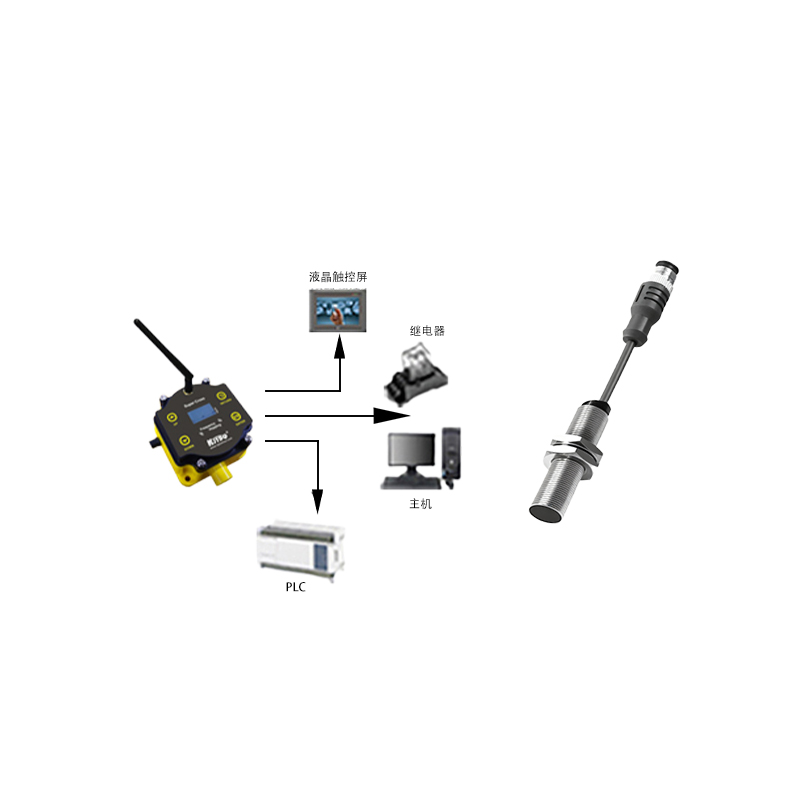
The fundamental principle behind an explosion-proof sensor is containment. The housing, typically made of durable materials like stainless steel or brass, is constructed to be exceptionally strong. If a spark or explosion occurs within the enclosure due to an electrical fault, the housing contains the blast. Furthermore, the joints and flanges of the enclosure are machined to very precise tolerances, creating a flame path. As hot gases from an internal explosion escape through these cooled, narrow paths, they are sufficiently cooled below the ignition temperature of the external hazardous atmosphere, thereby preventing a secondary explosion. This design is certified to specific standards, ensuring reliability under defined conditions.
Key Technologies and Sensing Variants
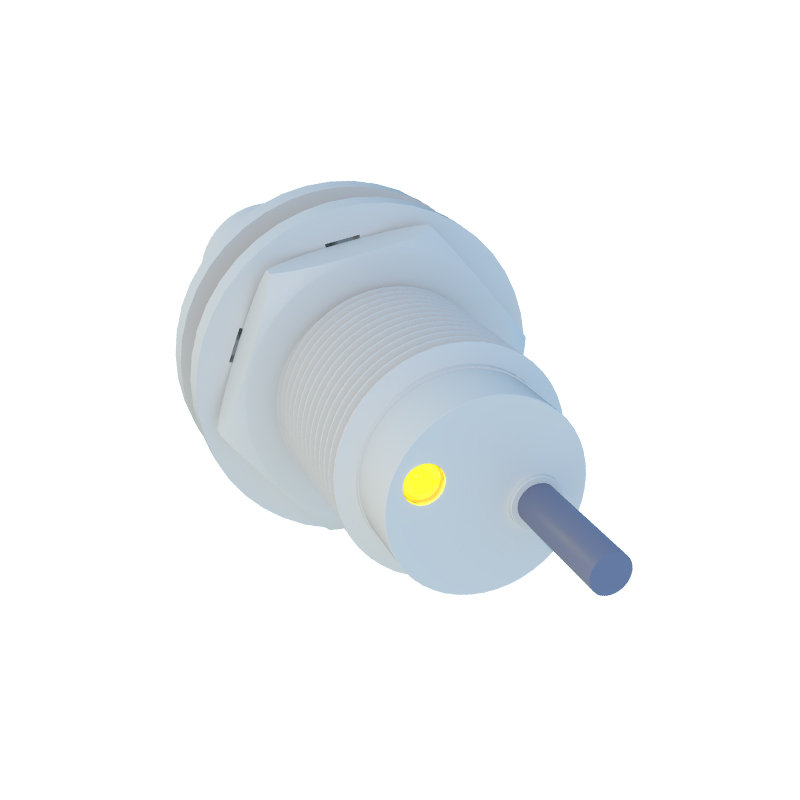
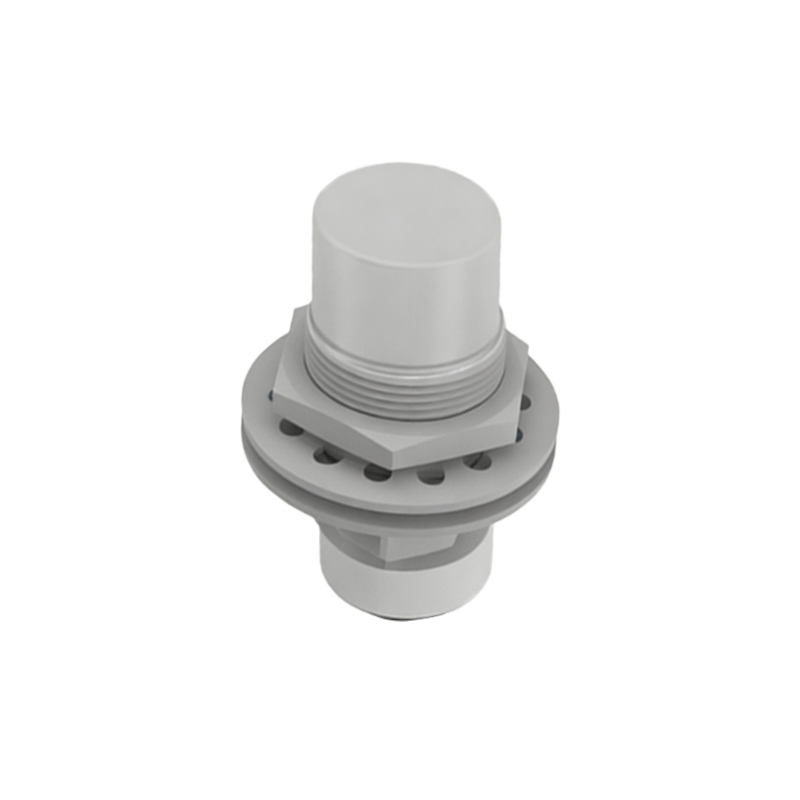
Explosion-proof proximity sensors utilize the same core sensing technologies as their standard counterparts but within their fortified housings. Inductive sensors are prevalent for detecting metallic objects without physical contact, ideal for position sensing of machine parts. Capacitive sensors can detect both metallic and non-metallic materials, such as liquids or plastics, through a container wall. Ultrasonic sensors use sound waves to measure distance or detect objects, useful in dusty environments where optical methods might fail. Each type is selected based on the application's specific material detection, range, and environmental challenges, all while maintaining the essential explosion-proof integrity.
Understanding Protection Classifications and Certifications
Globally, several standards govern equipment for hazardous areas. Key systems include the North American Class/Division system and the International IECEx Zone system. In the Zone system, areas are classified as Zone 0, 1, or 2 for gas atmospheres (with 0 being the most hazardous), and Zone 20, 21, or 22 for dust. An explosion-proof sensor will carry markings like "Ex d IIC T6" or "Class I, Division 1, Groups C&D, T6." These codes define the explosion protection method (e.g., 'd' for flameproof enclosure), the gas group, and the maximum surface temperature. Selecting a sensor with the correct certification for the specific zone is a critical legal and safety requirement.
Critical Selection Criteria for Engineers
Choosing the right explosion-proof proximity sensor requires a detailed analysis. First, the hazardous area classification (Zone/Division and Gas Group) must be identified. The sensor's housing material must be compatible with the environment to resist corrosion from chemicals or seawater. Sensing range, response frequency, and output type (PNP/NPN, analog, IO-Link) are vital for integration into the control system. Physical factors like size, mounting style, and connection type (conduit or cable gland) also influence the selection. Engineers must always prioritize sensors from reputable manufacturers that provide full, traceable certification documents.
Installation and Maintenance Best Practices
Proper installation is crucial to maintain the explosion-proof rating. This includes correctly tightening enclosure lids to the specified torque to ensure the flame path integrity and using approved cable glands or conduit seals that maintain the enclosure's seal. Conduit systems must be properly bonded and grounded. Regular maintenance involves inspecting the sensor housing for physical damage or corrosion, checking cable entries for integrity, and verifying the sensing functionality. Any repair or modification must be performed following the manufacturer's guidelines and by qualified personnel to avoid compromising the safety certification.
Advancements and Future Trends
The evolution of explosion-proof sensors aligns with Industry 4.0 trends. Modern sensors increasingly feature digital communication protocols like IO-Link, which enables advanced diagnostics, parameterization, and integration into predictive maintenance schemes. The use of robust, laser-welded housings and advanced polymeric materials is growing. Furthermore, there is a continuous drive for miniaturization without sacrificing protection levels, and for enhancing sensing intelligence to provide more data about the process and the health of the sensor itself, all within the stringent confines of explosion-proof design.
Conclusion and Final Considerations
Explosion-proof proximity sensors are not merely optional upgrades but essential safety devices in hazardous industrial environments. Their specialized design, rigorous certification, and proper application form a critical line of defense against catastrophic events. Engineers