Introduction to Photoelectric Sensors
Photoelectric sensors are pivotal components in industrial automation, utilizing light beams to detect the presence, absence, or distance of objects. These sensors operate by emitting a light source—typically infrared, visible, or laser light—and measuring the reflection or interruption of that light. Their ability to perform non-contact detection makes them ideal for applications where physical contact could cause damage or contamination. From manufacturing lines to packaging systems, photoelectric sensors enhance efficiency by providing precise, real-time data. Their versatility allows them to adapt to various environments, including harsh conditions with dust, moisture, or temperature extremes. As industries increasingly prioritize automation and smart technology, the role of photoelectric sensors continues to expand, driving innovations in safety, quality control, and operational speed.
Key Advantages in Industrial Applications
One of the primary benefits of photoelectric sensors is their high accuracy and reliability. Unlike mechanical switches, which can wear out over time, these sensors offer long-lasting performance with minimal maintenance. They can detect objects from a distance, reducing the need for direct interaction and minimizing wear on machinery. Additionally, photoelectric sensors are capable of sensing a wide range of materials, including transparent, opaque, and reflective surfaces. This flexibility makes them suitable for diverse tasks, such as counting items on a conveyor belt, monitoring liquid levels, or ensuring proper alignment in assembly processes. Their fast response times enable rapid decision-making in automated systems, contributing to increased productivity and reduced downtime.
Types and Functionality
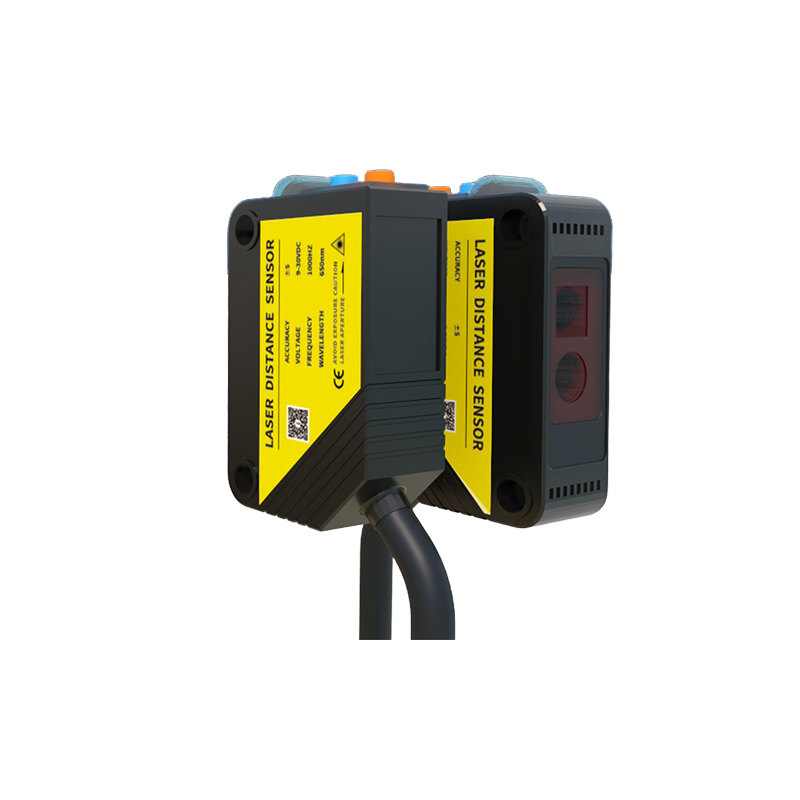
Photoelectric sensors come in several configurations, each designed for specific applications. The main types include through-beam, retro-reflective, and diffuse sensors. Through-beam sensors consist of separate emitter and receiver units, offering long-range detection and high precision. Retro-reflective sensors use a reflector to bounce light back to the receiver, making them effective for medium-range tasks. Diffuse sensors rely on the reflection from the object itself, ideal for short-range detection where space is limited. Advanced models incorporate features like background suppression, which ignores distant objects, and color recognition, which distinguishes between different hues. Understanding these variations helps engineers select the right sensor for their needs, ensuring optimal performance in complex industrial setups.
Enhancing Safety and Efficiency
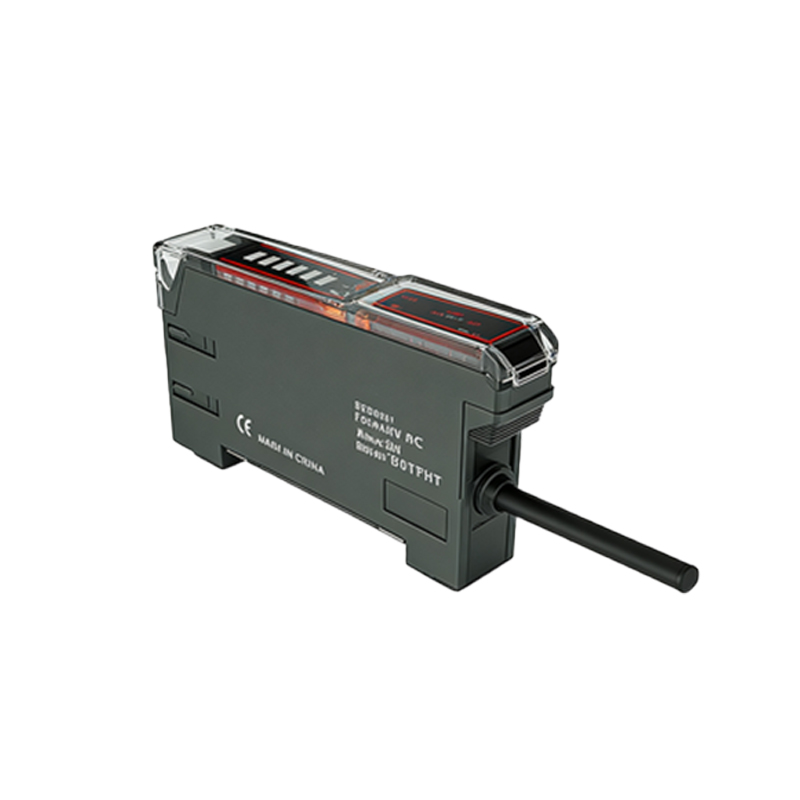
In modern factories, photoelectric sensors play a crucial role in safety systems. They are often integrated into machine guarding applications to prevent accidents by detecting personnel or obstacles in hazardous zones. For example, light curtains can create an invisible barrier that stops equipment when breached, protecting workers from injury. Beyond safety, these sensors boost efficiency by enabling continuous monitoring and control. In logistics, they track inventory movement, while in automotive manufacturing, they verify part placement. By reducing human intervention, photoelectric sensors lower labor costs and minimize errors, leading to smoother operations and higher output quality. Their contribution to lean manufacturing principles underscores their importance in achieving sustainable industrial growth.
Future Trends and Innovations
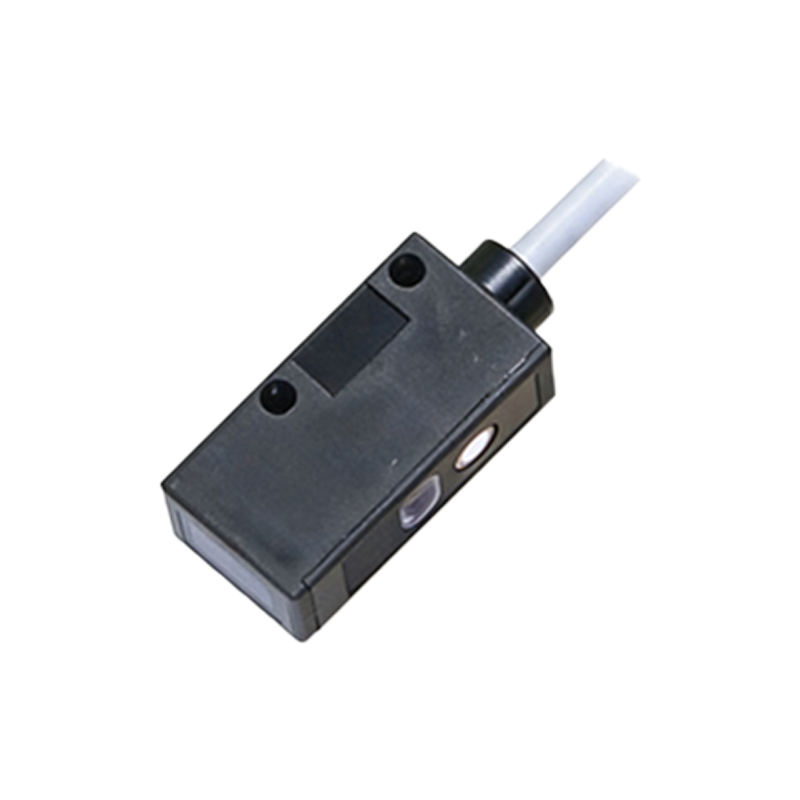
The evolution of photoelectric sensors is closely tied to advancements in Industry 4.0 and the Internet of Things (IoT). Smart sensors with embedded connectivity can transmit data to central systems for analysis, facilitating predictive maintenance and real-time adjustments. Innovations in miniaturization allow for smaller, more energy-efficient designs that fit into compact devices. Additionally, the integration of artificial intelligence enhances sensor capabilities, enabling pattern recognition and adaptive responses. As industries embrace digital transformation, photoelectric sensors will become even more integral to automated ecosystems, supporting applications in robotics, renewable energy, and smart cities. Investing in these technologies today prepares businesses for tomorrow's challenges, ensuring competitiveness in a rapidly changing market.