Introduction to H50 Photoelectric Sensors
The H50 series represents a cornerstone in modern industrial sensing technology. As a versatile and robust line of photoelectric sensors, these devices are engineered to detect the presence, absence, or position of objects without physical contact. Operating on the principle of emitting a light beam—typically infrared, visible red, or laser—and detecting changes in the received light signal, H50 sensors provide a critical interface between the physical and control systems in automated environments. Their design prioritizes reliability in harsh conditions, featuring durable housings resistant to dust, moisture, and mechanical impact. This makes them indispensable across diverse sectors, from packaging and material handling to automotive assembly and pharmaceutical production, where precision and uptime are paramount.
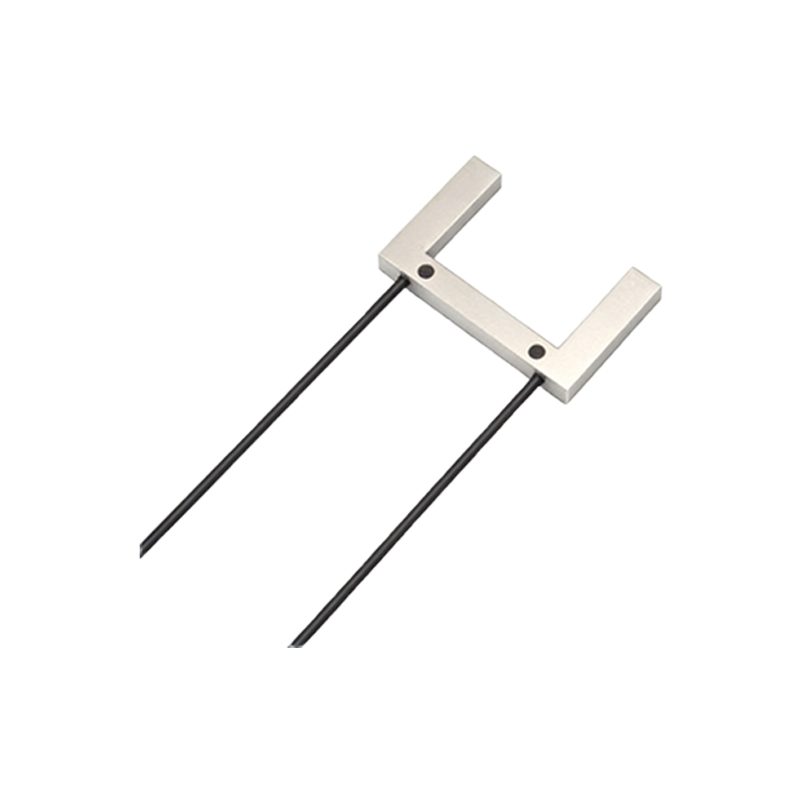
Key Operating Principles and Sensing Modes
Understanding the core functionality of the H50 photoelectric sensor requires a grasp of its primary operating modes. The most common configurations are through-beam, retro-reflective, and diffuse (proximity) sensing. In through-beam mode, the emitter and receiver are separate units. An object is detected when it interrupts the light beam traveling between them, offering the longest sensing ranges and highest reliability for precise detection. Retro-reflective mode utilizes a single housing containing both emitter and receiver, along with a specialized reflector. Detection occurs when the beam reflected back to the receiver is blocked. This mode simplifies installation while maintaining good range. Diffuse mode, also a single-unit design, detects objects by measuring the light reflected directly off the target's surface. This is ideal for close-range applications and detecting objects of varying colors or reflectivity, with advanced models featuring background suppression to ignore objects beyond a set distance.
Technical Specifications and Performance Features
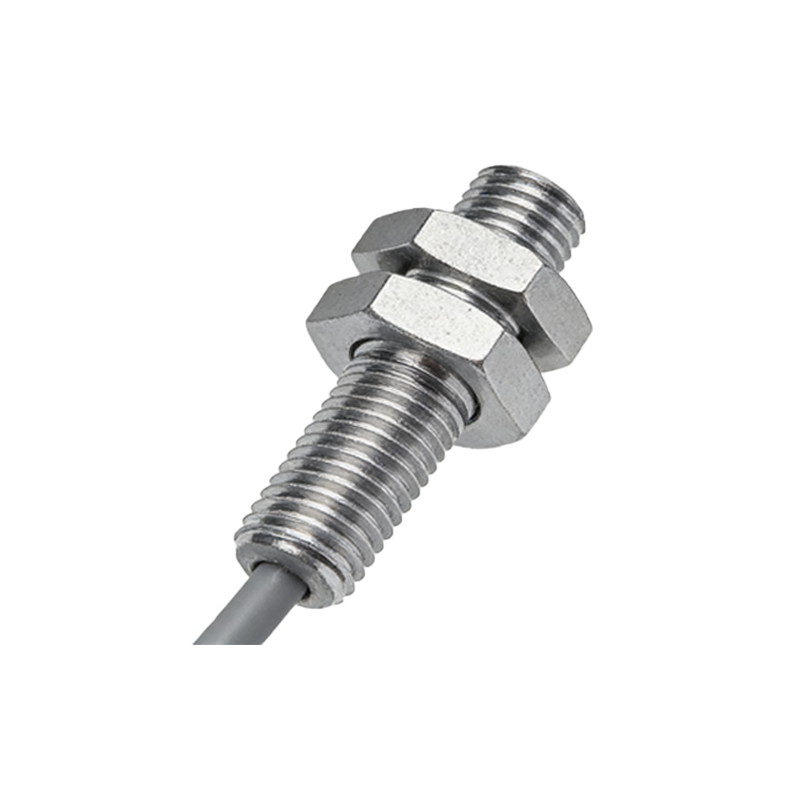
The performance of the H50 sensor is defined by a detailed set of technical specifications. Key parameters include sensing range, which can vary from a few centimeters to several meters depending on the model and mode; response time, often in the millisecond range, crucial for high-speed production lines; and light source type, with LED-based designs offering long service life. Electrical characteristics are equally important, encompassing operating voltage (commonly 10-30V DC), output type (PNP/NPN transistor, analog, or relay), and current rating. Environmental ratings, such as IP67 for protection against dust and temporary immersion, ensure operational integrity. Many H50 models also incorporate advanced features like teach-in functionality for easy setup, adjustable sensitivity via potentiometers or remote input, and built-in diagnostics via status LEDs, which signal power, output activation, and stability.
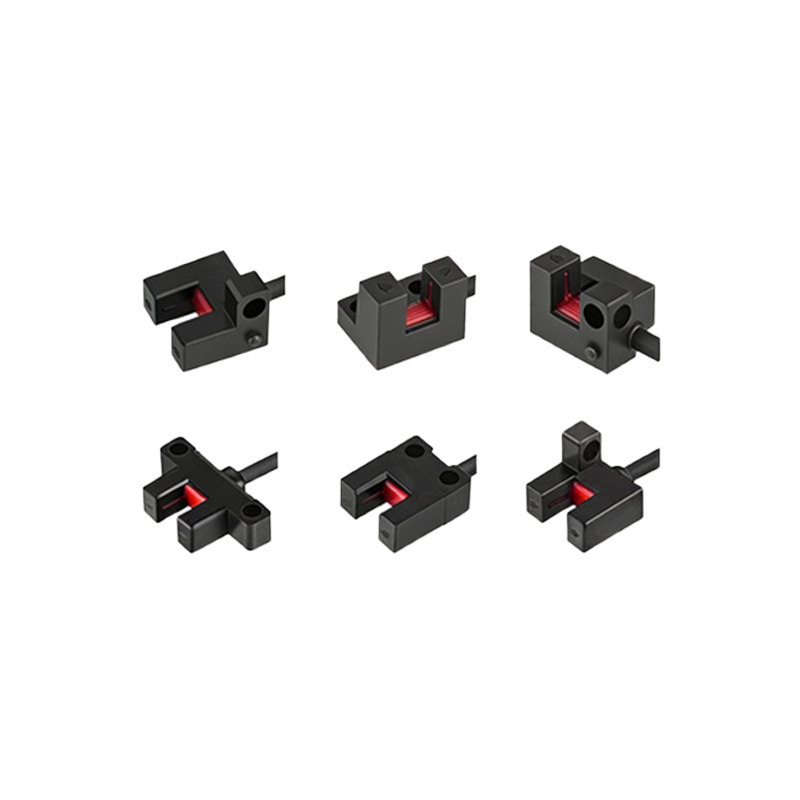
Critical Application Areas in Industry
The adaptability of the H50 photoelectric sensor translates into widespread industrial application. In conveyor systems, they are deployed for object counting, jam detection, and positioning control. Within automated packaging machinery, they ensure precise fill-level detection, label verification, and flap positioning. The automotive industry relies on them for robot guidance, part presence verification on assembly lines, and weld seam tracking. In warehouse and logistics automation, H50 sensors facilitate palletizing, sortation, and automated guided vehicle (AGV) navigation. Their ability to detect transparent objects, like glass or plastic bottles, and small components makes them vital in electronics manufacturing and pharmaceutical packaging, where error-free operation is non-negotiable.
Installation, Alignment, and Best Practices
Proper installation is fundamental to achieving optimal performance from an H50 sensor. Mounting must be secure to prevent vibration-induced misalignment. For through-beam sensors, precise alignment of the emitter and receiver is critical; built-in alignment indicators greatly aid this process. For retro-reflective sensors, the reflector must be positioned correctly within the sensor's field of view. Environmental factors must be considered: ambient light from sunlight or high-intensity lamps can interfere with operation, necessitating the use of modulated light sources or physical shielding. The sensor should be positioned to avoid sensing unintended objects or the background. Regular maintenance, including lens cleaning to prevent buildup of dust or grime, is a simple yet effective practice to ensure long-term reliability and prevent false triggers.
Troubleshooting Common Operational Issues
Even robust systems like the H50 sensor can encounter issues. A systematic approach to troubleshooting is essential. The first step is always to verify power supply and wiring connections. If the sensor fails to detect, check for physical obstructions in the beam path, misalignment, or a dirty lens. Fluctuating or unstable output often points to environmental interference, an unsuitable sensing mode for the target object's properties (e.g., color, material), or a sensing distance too close to the limit. Consulting the sensor's status LEDs provides immediate diagnostic clues. For persistent problems, verifying the load connected to the output and checking for electrical noise on the supply lines are recommended steps. Understanding the specific application context is often the key to resolving complex sensing challenges.
Advantages Over Alternative Sensor Technologies
The H50 photoelectric sensor offers distinct advantages when compared to other proximity sensing technologies like inductive or capacitive sensors. Its primary benefit is the ability to detect virtually any material—metal, plastic, wood, glass, or liquid—unlike inductive sensors that are limited to metals. It also provides a much longer sensing range than both inductive and capacitive sensors. Compared to vision systems, photoelectric sensors like the H50 are typically simpler, faster, more cost-effective for basic presence/absence tasks, and less computationally intensive. Their solid-state design ensures minimal maintenance, no moving parts to wear out, and high resistance to shock and vibration. This combination of versatility, range, speed, and durability solidifies their role as a default choice for countless detection tasks in factory automation.
Future Trends and Integration with Industry 4.0
The evolution of the H50 photoelectric sensor is closely tied to the advancement of Industry 4.0 and the Industrial Internet of Things (IIoT). Future iterations are increasingly incorporating IO-Link communication, a point-to-point serial protocol that transforms the sensor from a simple switch into an intelligent device. IO-Link enables remote parameter configuration, real-time monitoring of operating conditions (like temperature or lens contamination), and advanced diagnostic data reporting directly to the PLC or cloud-based systems. This facilitates predictive maintenance, reduces downtime, and allows for flexible, data-driven process optimization. Integration with Ethernet-based fieldbus systems for faster data exchange is also becoming standard, ensuring the H50 sensor remains a future-proof component in smart, connected factories.