Introduction to C80 Proximity Sensors
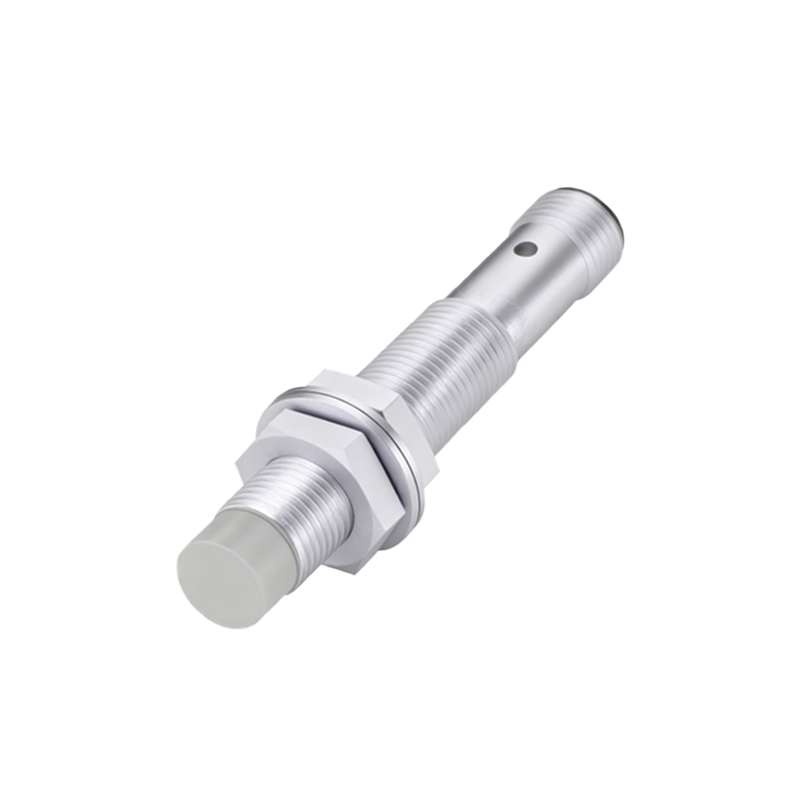
C80 proximity sensors represent a critical category of non-contact sensing devices widely utilized in industrial automation and control systems. These sensors are designed to detect the presence or absence of metallic objects without any physical contact, ensuring reliable operation in harsh environments. The "C80" designation typically refers to a specific series or model family known for its robust construction, standardized dimensions, and consistent performance metrics. Operating on the principle of electromagnetic induction, these sensors generate an oscillating electromagnetic field. When a metallic target enters this field, it induces eddy currents, causing a change in the sensor's oscillation amplitude. This change is detected and converted into a clear electrical output signal, triggering actions in connected machinery such as PLCs, counters, or safety interlocks.
Core Operating Principles and Technology
The fundamental technology behind C80 inductive proximity sensors is based on a high-frequency oscillator circuit coupled with a ferrite core and coil assembly. The oscillator creates a fluctuating magnetic field at the sensing face. In the absence of a target, the oscillator operates at a constant amplitude. The introduction of a conductive, ferrous or non-ferrous metal object into the active field absorbs energy due to eddy current losses, dampening the oscillation. A subsequent threshold circuit monitors this damping effect. Once the damping reaches a predefined level, it triggers a solid-state switch—typically an NPN or PNP transistor—to change state, providing a digital ON/OFF signal. This entire process occurs with remarkable speed and precision, enabling detection of fast-moving objects on production lines.
Key Specifications and Performance Characteristics
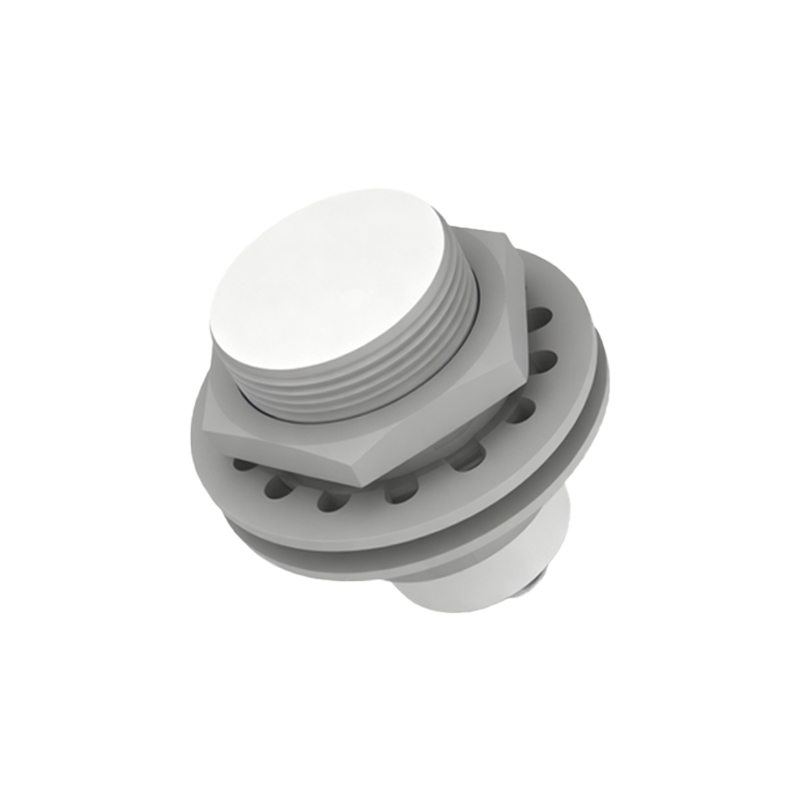
Understanding the specifications of C80 sensors is vital for proper selection and integration. Key parameters include sensing distance, which is typically standardized (e.g., 8mm for many C80 models) and is defined as the nominal operating distance where reliable switching is guaranteed. It is crucial to note the difference between nominal sensing distance and the actual, repeatable switching point. Other critical specs are the operating voltage range (commonly 10-30V DC), output configuration (sourcing PNP or sinking NPN), current rating, and switching frequency. Environmental ratings like IP67 or IP68 for ingress protection against dust and water, along with robust housing materials such as nickel-plated brass or stainless steel, ensure longevity in demanding settings involving coolants, vibrations, and temperature extremes.
Primary Applications in Industrial Settings
The application scope for C80 proximity sensors is vast and integral to modern manufacturing. They are predominantly used for position detection—verifying if a part is present in a fixture, a robot has reached its end-of-arm tooling position, or a cylinder is fully extended or retracted. In conveyor systems, they count products, control sorting gates, and detect jams. Within machine tools, they serve as limit switches for axis movement, monitor tool presence, and ensure safety door closures. Their non-contact nature eliminates mechanical wear, making them superior to traditional mechanical limit switches, leading to reduced maintenance downtime and higher system reliability across automotive, packaging, material handling, and assembly industries.
Installation, Wiring, and Configuration Guidelines
Correct installation is paramount for optimal sensor performance. C80 sensors are usually cylindrical and threaded (e.g., M8, M12, M18, M30 sizes), allowing for easy mounting in drilled and tapped holes. Adequate clearance around the sensing face must be maintained to prevent interference from surrounding metal (the "flush-mountable" or "non-flush" characteristic). Wiring follows standard color codes: brown for positive supply (+V), blue for common (0V), and black for the output signal. For devices with multiple wires, datasheet consultation is essential. Configuration often involves simple alignment and gap setting; some advanced models feature teach-in functions or sensitivity adjustments via potentiometers to fine-tune for specific target materials or challenging conditions.
Advantages Over Alternative Sensing Methods
C80 inductive proximity sensors offer distinct advantages that solidify their role in automation. Their primary benefit is complete immunity to environmental contaminants like dirt, oil, and moisture, which would obstruct or damage optical or capacitive sensors. They provide exceptionally fast response times, often in microseconds, suitable for high-speed applications. With no moving parts, they exhibit virtually infinite mechanical life, subject only to electronic component limits. They are also resistant to electrical noise common in industrial plants. Compared to ultrasonic or vision sensors, C80 units are typically more cost-effective for simple binary detection tasks, offering a straightforward, robust, and maintenance-free solution.
Maintenance, Troubleshooting, and Best Practices
While designed for durability, C80 sensors require periodic checks to ensure continued reliability. Routine maintenance involves cleaning