Understanding Proximity Sensor Wear Mechanisms
Proximity switch sensors, vital components in industrial automation, are susceptible to various forms of wear that can compromise their performance and lifespan. The primary wear mechanisms include mechanical abrasion, chemical corrosion, and electrical degradation. Mechanical abrasion occurs when the sensor's sensing face or housing is repeatedly struck by moving parts, such as metal chips, tools, or the target objects themselves. This is particularly common in harsh environments like machining centers, stamping presses, and material handling systems. Chemical corrosion arises from exposure to oils, coolants, solvents, or atmospheric contaminants, which can degrade sensor housing materials and seals. Electrical degradation often stems from voltage spikes, excessive current loads, or environmental factors like moisture ingress, leading to internal component failure. A thorough understanding of these specific wear factors is the foundational step in developing an effective prevention strategy.
Selecting the Right Sensor for the Application
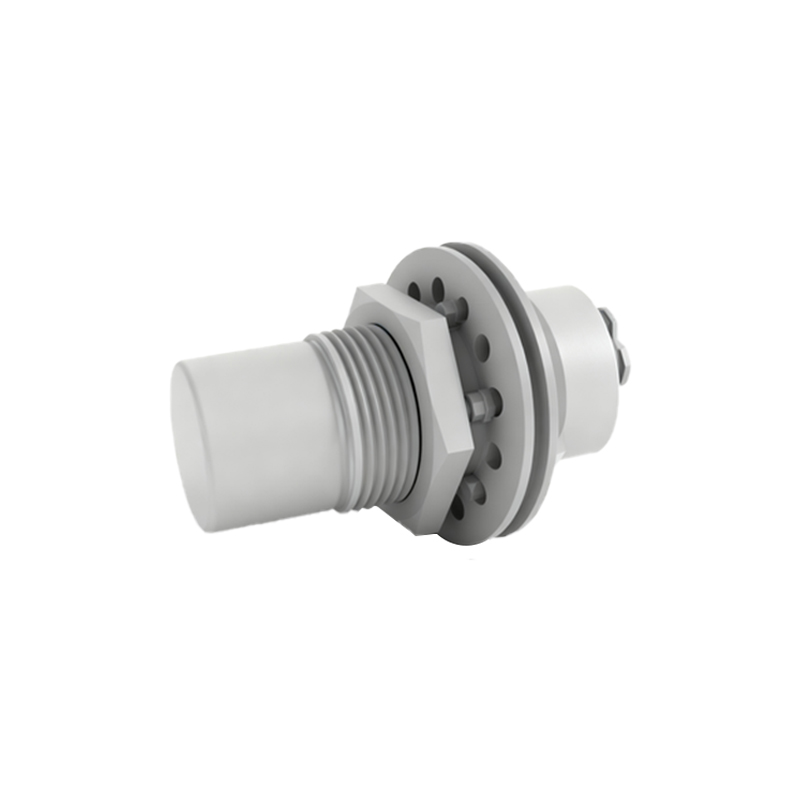
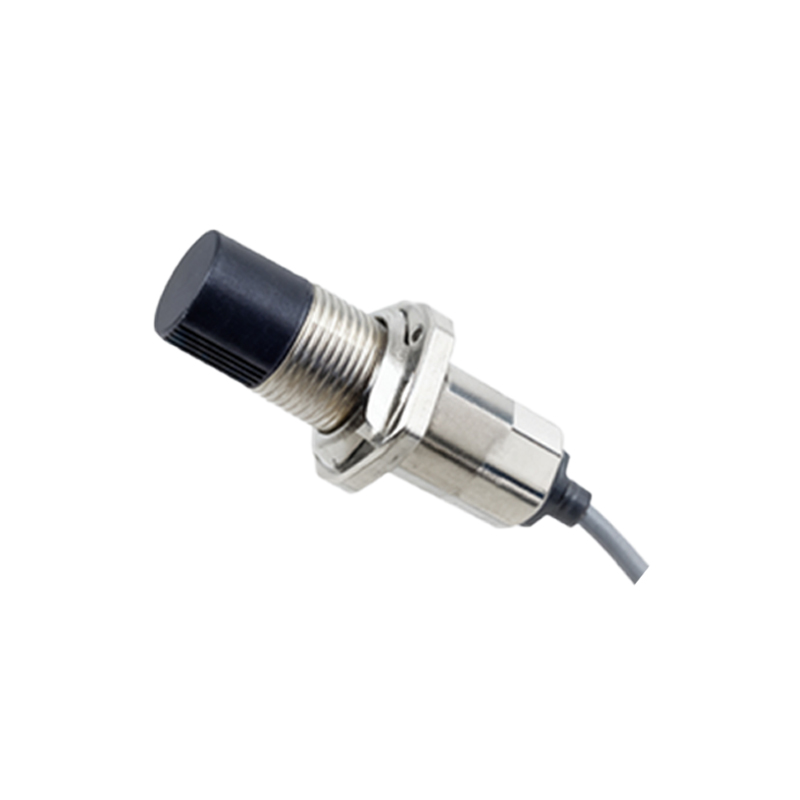
The most critical defense against premature wear is proper sensor selection. Engineers must match the sensor's specifications to the operational environment. For high-impact or abrasive settings, choosing a sensor with a robust, metal housing (such as stainless steel) is paramount. Sensors with flush or recessed mounting designs protect the sensing face from direct frontal impacts. For applications involving chemical exposure, sensors rated with high IP (Ingress Protection) and IK (Impact Protection) codes, along with chemical-resistant housing materials like PTFE or PVDF, are essential. Furthermore, selecting a sensor with a sufficient sensing distance allows for installation farther from the target, creating a valuable safety buffer against accidental collisions. Inductive, capacitive, and ultrasonic sensors each have distinct strengths; selecting the correct technology for the target material and environmental conditions inherently reduces stress on the device.
Optimal Mounting and Mechanical Protection
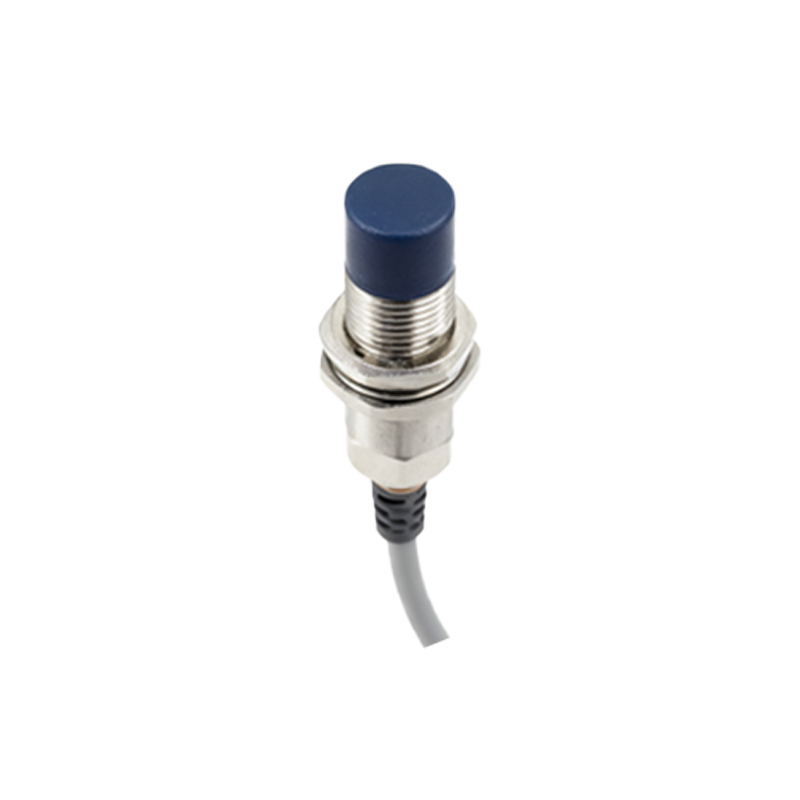
Correct installation is a powerful, yet often overlooked, wear prevention tactic. Sensors should be mounted securely using appropriate brackets to minimize vibration, which can loosen connections and cause internal damage. The mounting location must be carefully chosen to avoid the direct path of falling debris or moving components. When physical impact is unavoidable, implementing external mechanical guards is highly effective. These can be simple metal brackets, protective shrouds, or sacrificial wear plates installed in front of the sensor. These guards absorb the impact, protecting the more sensitive and expensive sensor behind them. Ensuring proper alignment with the target object prevents skewed approaches that can cause glancing blows and uneven wear on the sensor face.
Implementing Environmental Sealing and Conditioning
Protecting the sensor from its environment extends far beyond the housing material. Utilizing sensors with high IP ratings (e.g., IP67, IP69K) ensures protection against dust and water jets, which are common in washdown or outdoor applications. For extreme chemical exposure, additional external sealing with compatible compounds or the use of protective boots may be necessary. Controlling the electrical environment is equally crucial. Installing surge protectors and using shielded cables grounded at only one end can prevent damage from voltage transients and electrical noise. Maintaining stable power supply voltages within the sensor's specified range prevents internal overheating and component stress. In very hot or cold environments, considering sensors with extended temperature ratings prevents material fatigue and performance drift.
Establishing Proactive Maintenance and Monitoring Routines
A proactive maintenance schedule is indispensable for maximizing sensor life and preventing unexpected downtime. Regular visual inspections should check for physical damage, cracks, corrosion, or buildup of contaminants on the sensing face. Cleaning the sensor face with appropriate, non-abrasive materials removes debris that can interfere with sensing and cause abrasion. Performance monitoring through the control system is also key. Tracking parameters like response time consistency or output signal stability can provide early warnings of degradation before a complete failure occurs. Keeping a log of sensor replacements and failures helps identify patterns and problematic locations, allowing for targeted improvements in selection or protection strategies for future installations.
Leveraging Advanced Sensor Technologies
Modern proximity sensor technologies offer built-in features that enhance durability. Sensors with weld-field immunity are specifically designed for environments near resistance welding equipment, resisting the magnetic fields that can damage standard units. Units with advanced diagnostics can report on their own health, including temperature warnings or signal strength indicators, enabling predictive maintenance. For extremely abrasive applications, sensors with hardened or ceramic sensing faces provide superior resistance to wear. While sometimes representing a higher initial investment, these specialized sensors often deliver a significantly lower total cost of ownership by drastically reducing replacement frequency and associated downtime in challenging industrial settings.