Introduction to Proximity Sensors
Proximity sensors are pivotal components in contemporary electrical and automation systems. These devices detect the presence or absence of objects within a specific range without any physical contact. Utilizing various technologies such as inductive, capacitive, ultrasonic, and photoelectric principles, they provide reliable, non-contact sensing solutions. Their ability to operate in harsh environments and deliver high-speed responses makes them indispensable in numerous industrial applications, from manufacturing assembly lines to complex robotic systems.
Enhanced Operational Safety
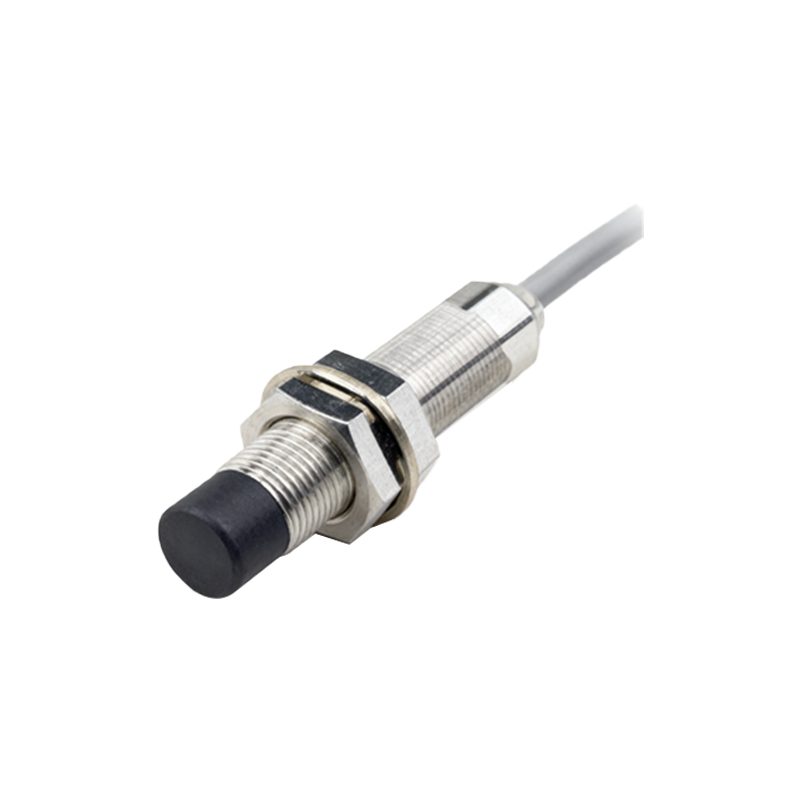
One of the foremost advantages of proximity sensors is the significant improvement in operational safety they offer. By enabling non-contact detection, they eliminate the risk of mechanical wear, tear, and potential sparking that can occur with physical limit switches. This is particularly crucial in hazardous environments containing flammable gases or dust. Machinery can be designed with better safety interlocks, ensuring that moving parts only operate when it is safe to do so, thereby protecting both equipment and personnel from accidents.
High Reliability and Long Service Life
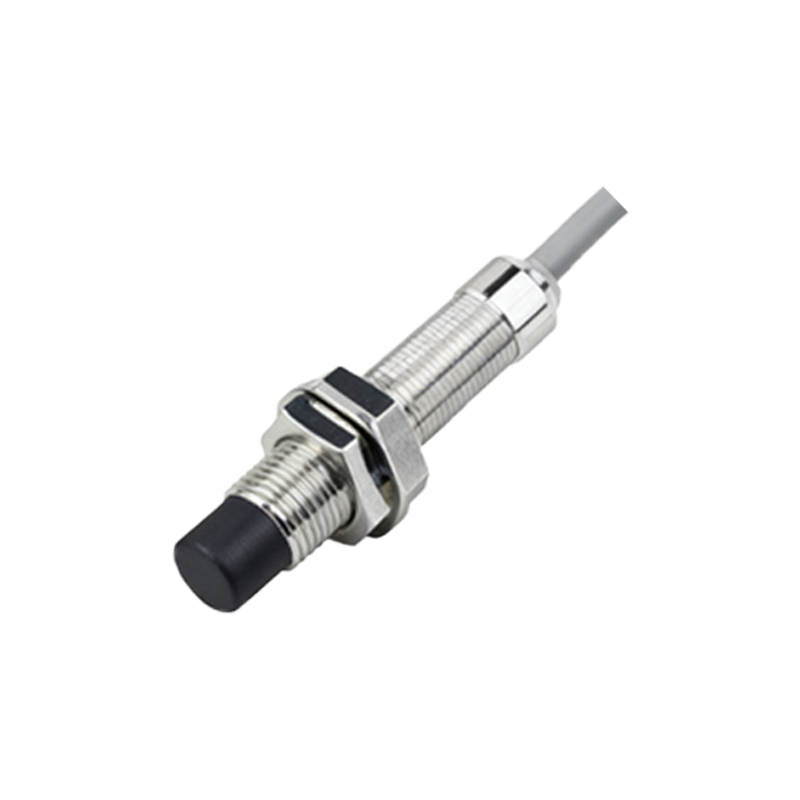
The absence of moving parts in most proximity sensor designs translates to exceptional reliability and an extended operational lifespan. Unlike mechanical switches that suffer from contact degradation over time due to friction and arcing, solid-state proximity sensors maintain consistent performance. They are less susceptible to failure caused by dirt, oil, or other contaminants, ensuring minimal downtime and reduced maintenance costs in industrial settings. This durability is a key factor in achieving higher overall equipment effectiveness (OEE).
Superior Speed and Response Time
Proximity sensors excel in applications requiring rapid detection and response. They can operate at very high switching frequencies, detecting objects passing by at great speeds—a capability unattainable for mechanical counterparts. This fast response time is essential for high-speed counting, sorting, and precision positioning tasks in packaging, material handling, and automotive industries. The swift and accurate feedback allows for tighter process control and increased production throughput.
Versatility Across Diverse Environments
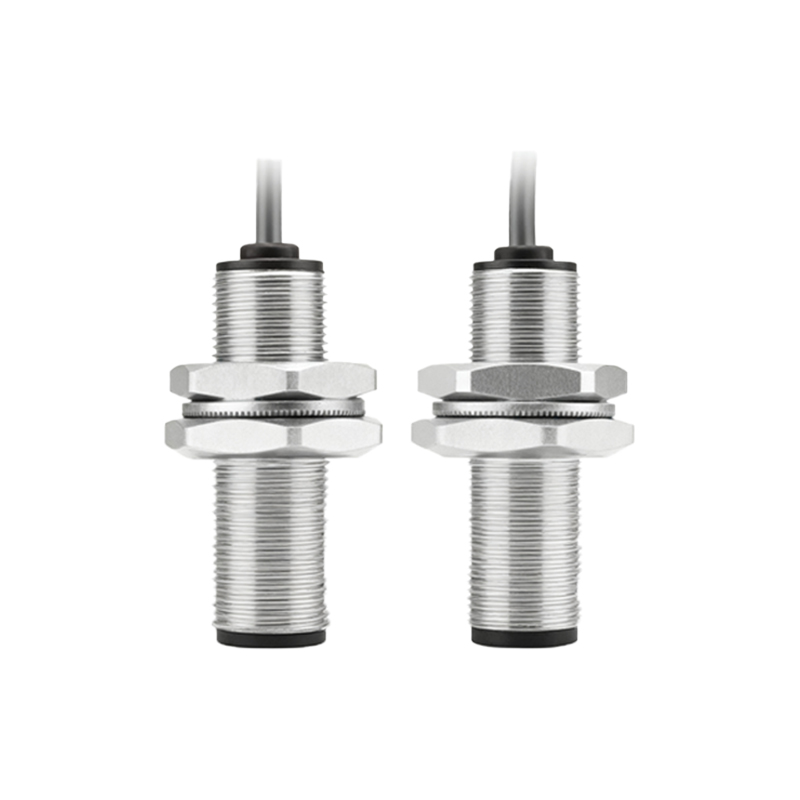
The diverse technology portfolio of proximity sensors grants remarkable versatility. Inductive sensors are ideal for detecting metals, capacitive sensors can detect nearly any material including liquids, and photoelectric sensors work over longer distances. This allows engineers to select the optimal sensor for specific environmental conditions, whether it involves extreme temperatures, high pressure, washdown areas, or locations with strong electromagnetic interference. Their robust housings often meet high IP ratings for dust and water ingress protection.
Precision and Repeatability
These sensors provide highly precise and repeatable detection. The sensing distance is consistent and not subject to the variances found in mechanical actuation. This precision is critical for quality control, ensuring parts are correctly positioned for machining or assembly. In automated guided vehicles (AGVs) and robotics, proximity sensors enable accurate navigation and object manipulation, contributing to the system's overall accuracy and reducing product defects.
Simplified Installation and Integration
Modern proximity sensors are designed for easy installation and seamless integration into control systems. Many feature standardized form factors (like cylindrical M8, M12, M18 connectors) and offer both PNP and NPN output configurations for compatibility with different PLCs (Programmable Logic Controllers). Their simple two-wire or three-wire connection schemes reduce wiring complexity. Advanced models also provide diagnostic LEDs and IO-Link communication for smart factory integration, enabling predictive maintenance and data exchange.
Cost-Effectiveness in the Long Term
While the initial investment in high-quality proximity sensors might be higher than traditional mechanical switches, their long-term cost-effectiveness is undeniable. Reduced maintenance, fewer production stoppages due to sensor failure, lower energy consumption, and increased machine longevity contribute to a significantly lower total cost of ownership (TCO). The gains in productivity, safety, and product quality further solidify their role as a financially sound engineering choice.
Conclusion
In summary, proximity sensors are fundamental to advancing industrial automation and electrical system design. Their benefits in safety, reliability, speed, versatility, precision, ease of use, and cost-efficiency make them a superior choice for a vast array of applications. As Industry 4.0 and the Internet of Things (IoT) continue to evolve, the intelligent capabilities of these sensors will become even more integral to creating smarter, safer, and more efficient operational environments.