Introduction to Photoelectric Sensors
Photoelectric sensors are widely used in industrial automation for detecting the presence, absence, or position of objects. They operate by emitting a light beam, typically infrared, visible red, or laser, and then measuring the response. The three main types are through-beam (opposed), retroreflective, and diffuse (proximity) sensors. Each type has distinct working principles and applications, making it crucial to understand their compatibility with accessories like reflectors.
Working Principle of Retroreflective Sensors
Retroreflective photoelectric sensors consist of an emitter and a receiver housed in a single unit. They work by projecting a light beam toward a specially designed reflector, which returns the beam directly back to the receiver. The reflector is typically a corner-cube or prism type, ensuring that the light is reflected along the same path regardless of the angle of incidence. When an object interrupts this beam, the sensor detects the change in light reception and triggers an output signal. This design allows for easy installation and alignment compared to through-beam sensors, which require separate emitter and receiver units.
Compatibility with Standard Reflectors
A common question in the field is whether retroreflective sensors can use standard reflectors, such as those made of simple reflective tape or mirrors. The answer is generally no. Retroreflective sensors are specifically engineered to work with corner-cube reflectors that bounce light precisely back to the source. Standard flat mirrors or shiny surfaces scatter light in various directions, which may not provide a reliable return signal to the receiver. This can lead to inconsistent detection, false triggers, or complete failure. Therefore, it is essential to use the correct retroreflector designed for the sensor model to ensure optimal performance and reliability in industrial environments.
Technical Considerations and Limitations
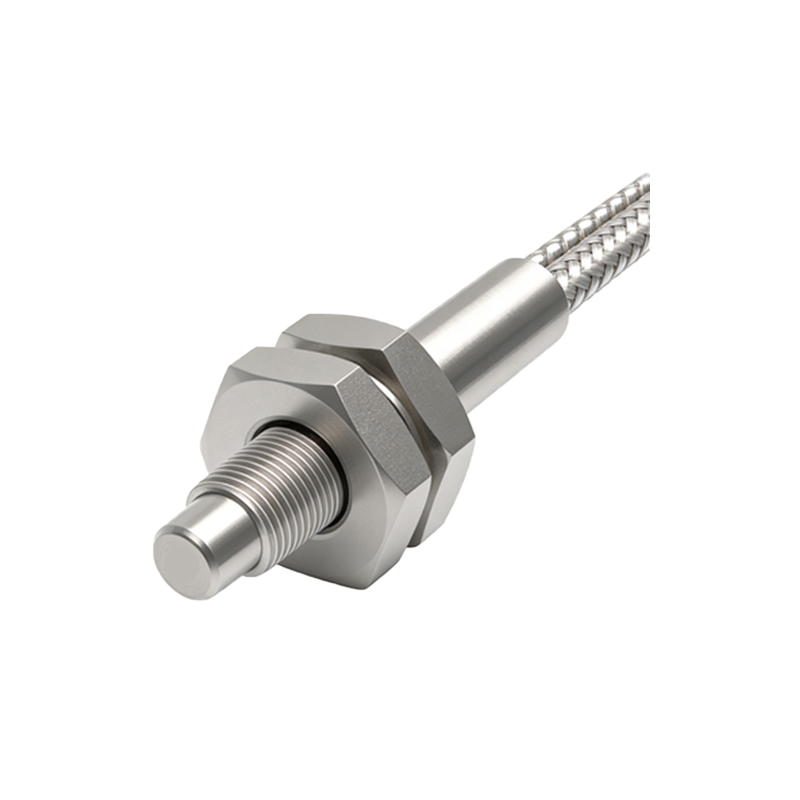
Several factors influence the effectiveness of retroreflective sensors with reflectors. Distance and alignment are critical; even with proper reflectors, misalignment can reduce signal strength. Environmental conditions like dust, fog, or bright ambient light can also interfere with detection. Additionally, the material and color of the target object matter—dark or absorbent surfaces might not reflect well. Retroreflective sensors often incorporate polarized filters to ignore reflections from shiny objects, but this feature requires compatible reflectors. Using an incorrect reflector might bypass this polarization, causing errors. Always consult the sensor's datasheet for specifications on reflector types and operational ranges.
Practical Applications and Alternatives
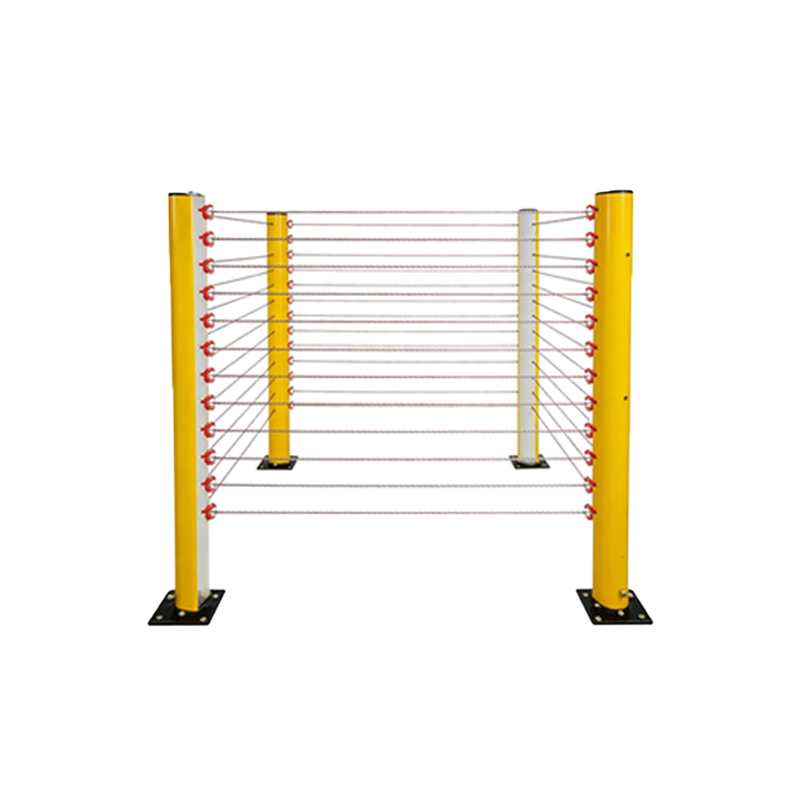
In practice, retroreflective sensors with appropriate reflectors are ideal for applications where through-beam sensors are impractical due to space or wiring constraints. Examples include conveyor belt systems, packaging machinery, and safety curtains. If a standard reflector must be used, consider switching to a diffuse sensor, which detects light reflected directly from the object itself, or a through-beam sensor with separate units. These alternatives might offer more flexibility but come with trade-offs in cost, installation complexity, or detection range. For retroreflective setups, investing in high-quality, manufacturer-recommended reflectors ensures long-term stability and reduces maintenance issues.
Conclusion and Best Practices
To summarize, retroreflective photoelectric sensors cannot effectively use standard reflectors like mirrors or tape. They require specialized corner-cube reflectors to function correctly. When deploying these sensors, prioritize proper alignment, environmental protection, and adherence to technical guidelines. Regular testing and maintenance can prevent downtime. For unique scenarios, evaluate alternative sensor types to meet specific needs. By understanding these principles, engineers can enhance automation systems' efficiency and reliability, ensuring smooth industrial operations.