Introduction to Proximity Switch Sensor M16
The M16 proximity switch sensor represents a cornerstone in modern industrial automation. Characterized by its robust cylindrical housing with an 16mm diameter thread, this sensor is engineered for reliable non-contact detection of metallic objects. Its standardized form factor ensures easy integration into a vast array of machinery and control systems. Operating on the principle of electromagnetic induction or capacitive coupling, depending on the type, the M16 sensor eliminates mechanical wear associated with traditional limit switches, thereby offering exceptional longevity and maintenance-free operation. Its primary function is to detect the presence or absence of a target without physical contact, sending a discrete signal to a programmable logic controller (PLC) or other control unit to trigger subsequent actions in a process.
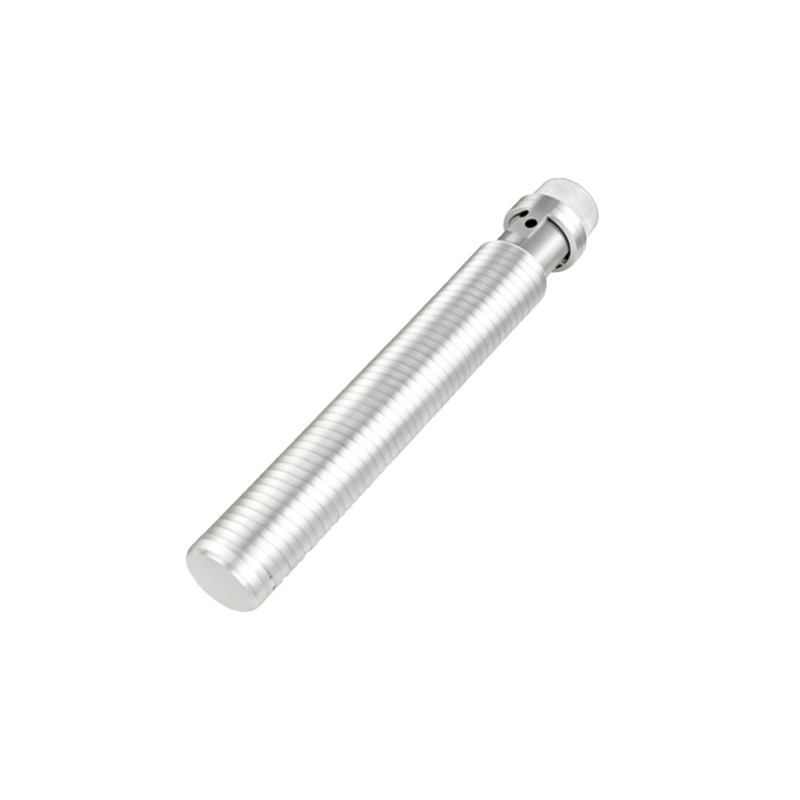
Key Technical Specifications and Variants
Understanding the technical parameters is crucial for correct selection. The M16 sensor is typically available in two main sensing technologies: inductive and capacitive. Inductive M16 sensors are designed specifically for detecting ferrous and non-ferrous metals, with sensing ranges typically between 2mm to 8mm. Key specifications include operating voltage (commonly 10-30V DC or 20-250V AC), output type (PNP/NPN, NO/NC), switching frequency (up to several kHz), and protection ratings like IP67 or IP69K for resistance against dust and water ingress. Capacitive M16 variants can detect a wider range of materials, including liquids, plastics, and wood, by measuring changes in capacitance. The choice of shielded (flush-mountable) or unshielded (non-flush) versions also impacts the installation and sensing performance in metallic environments.
Installation and Wiring Best Practices
Proper installation is paramount for optimal performance and avoiding interference. The M16's threaded barrel allows for straightforward mounting in a drilled and tapped hole, often secured with a lock nut. It is critical to maintain the specified sensing distance and ensure the target approaches the sensor axially for maximum reliability. For wiring, adherence to the manufacturer's datasheet is essential. Standard 2-meter or 5-meter PVC or PUR cables with M12 connectors are common. Correct connection of the brown (positive), blue (negative), and black (signal) wires to the power supply and load is fundamental. In electrically noisy environments, using shielded cables and grounding the shield at one end can prevent false triggering. Ensuring a stable power supply within the sensor's rated voltage range is also a key consideration.
Common Industrial Applications and Use Cases
The versatility of the M16 proximity sensor makes it ubiquitous across industries. In automotive manufacturing, they are used for part presence verification on assembly lines, robot end-of-arm tooling positioning, and counting components. Packaging machinery utilizes these sensors to detect foil lids, control fill levels, and monitor product flow. In material handling, they serve as limit switches on conveyors, palletizers, and automated storage systems to detect the position of crates or trolleys. Metalworking applications include tool breakage detection, spindle positioning, and monitoring workpiece clamping. Their robustness also makes them suitable for harsh environments like food and beverage processing or outdoor machinery.
Troubleshooting and Maintenance Guidelines
Despite their durability, M16 sensors can encounter issues. Common problems include failure to detect targets, intermittent operation, or constant output signal. Initial troubleshooting should involve verifying the power supply voltage and polarity, checking for loose wiring connections, and confirming that the target is within the specified sensing range and is of the correct material. Accumulation of metallic swarf or other debris on the sensing face can also reduce effective range and should be cleaned regularly. Using a multimeter to check the output signal under different conditions can help isolate the fault. Preventive maintenance primarily involves periodic visual inspections for physical damage and ensuring the integrity of cables and connectors in high-vibration applications.
Advantages Over Mechanical Switches
The shift from mechanical limit switches to proximity sensors like the M16 offers significant operational advantages. The absence of moving parts in the sensing mechanism translates to a virtually infinite mechanical life, limited only by the electronics. This leads to dramatically reduced downtime and maintenance costs. They offer high-speed operation, capable of detecting objects at frequencies far beyond the capability of any mechanical actuator. Their solid-state design ensures consistent performance unaffected by contact bounce, a common issue with mechanical contacts. Furthermore, their sealed construction allows reliable operation in contaminated or wet environments where mechanical switches would quickly fail or require frequent cleaning.
Future Trends and Smart Sensor Integration
The evolution of the M16 sensor is aligned with Industry 4.0 trends. While the classic discrete output sensor remains dominant, new "smart" M16 variants are emerging. These incorporate IO-Link communication, a point-to-point