Introduction to Optical Sensing Technology
At the heart of modern keyboard innovation lies optical sensing, a technology that fundamentally reimagines the traditional mechanical switch. Unlike conventional mechanical switches that rely on physical metal contact to register a keystroke, optical keyboard switches utilize light. The core principle involves an infrared light beam and a phototransistor. When a key is at rest, the light beam is uninterrupted, and the phototransistor receives a constant signal. A keystroke introduces an obstruction—typically part of the switch stem—into this optical path. This interruption is instantly detected by the sensor, which sends an electrical signal to the keyboard's controller, registering the key press. This light-based actuation mechanism eliminates the need for physical electrical contact, which is the source of many limitations in traditional designs.

Core Components and Internal Architecture
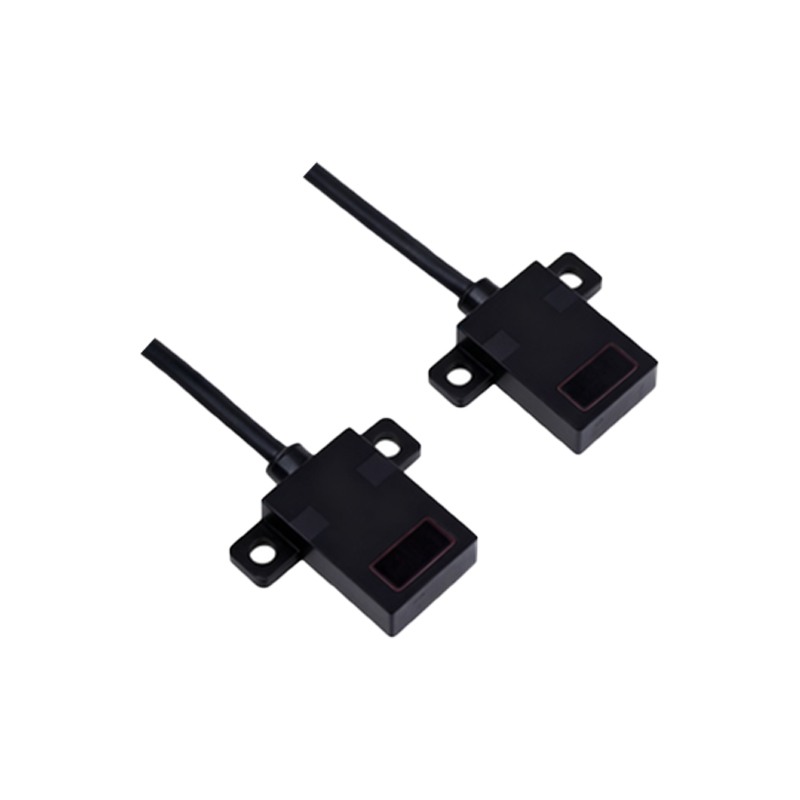
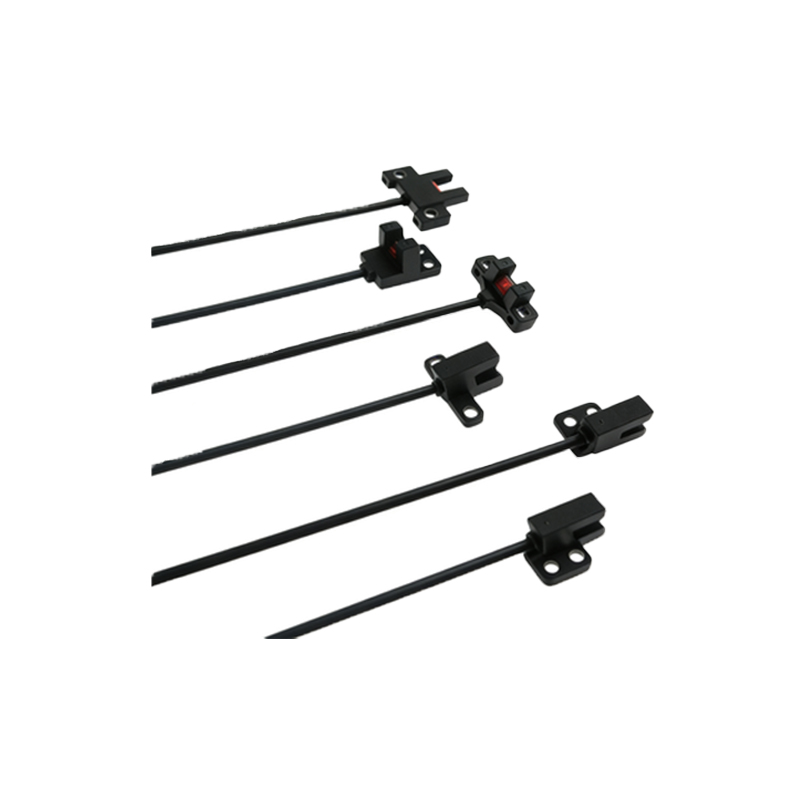
The functionality of an optical switch depends on a precise assembly of components. The key structural elements include the keycap, a stem (often with a cross-shaped post for keycap compatibility), and a spring for return force. The optical engine, however, is what sets it apart. This subsystem consists of an Infrared Light-Emitting Diode (IR LED) and a phototransistor or photodetector, positioned on opposite sides of the switch housing. The stem is designed with a shutter or blade that moves precisely through the gap between the emitter and the detector. The housing is engineered to align these components perfectly, ensuring the light beam is cleanly broken and restored with each keystroke. Some advanced designs may incorporate multiple beams or angled sensors to enable additional functionality.
The Actuation Process: From Light Beam to Digital Signal
The actuation cycle is remarkably fast and purely optical. In the default state, the IR LED emits a continuous beam that strikes the phototransistor, maintaining a "high" logic state. Upon pressing the key, the stem descends, and its integrated shutter begins to intersect the light path. The moment the beam is fully blocked, the phototransistor's output drops to a "low" state. This state change is interpreted by a dedicated microcontroller as a keypress event. The actuation point is determined solely by the physical design of the stem and the position of the optical gate, allowing for extremely precise and consistent actuation across all keys. Release is the reverse process; as the stem rises and the shutter clears the beam, the signal returns to "high," registering the key release.
Key Advantages Over Mechanical Switches
Optical switches offer several compelling engineering benefits. First and foremost is speed. By eliminating contact bounce—the physical arcing and bouncing of metal contacts—the optical signal can be processed almost instantaneously, leading to faster response times, often cited in the range of 0.1ms. This is a significant advantage for competitive gaming and high-speed typing. Secondly, durability is vastly improved. Without metal contacts that wear out or oxidize, the lifespan of an optical switch is typically rated for 100 million keystrokes or more, far exceeding standard mechanical switches. Furthermore, the actuation feel is consistent throughout the switch's life, as there is no contact degradation.
Performance Characteristics: Debounce, Latency, and Feel
The absence of physical contact directly addresses the perennial issue of debounce. Mechanical switches require a software or hardware debounce delay to filter out the erratic signals caused by contact vibration. Optical switches have virtually zero bounce, allowing the controller to register the first beam break as the definitive actuation, reducing input latency. In terms of feel, optical switches can mimic various mechanical profiles (linear, tactile, clicky) through spring weight and stem design, but the actual actuation remains silent and smooth. The lack of physical arcing also makes them more reliable in humid or dusty environments, though the optical gate itself must be kept clean from major obstructions.
Applications and Industry Adoption
Initially popularized in the gaming peripheral sector for their speed claims, optical switch technology is seeing broader adoption. High-performance gaming keyboards remain the primary market, where manufacturers tout the latency benefits. However, the technology is also finding use in specialized industrial and data entry environments where extreme durability and reliability are paramount. The consistency of actuation point also makes them suitable for applications requiring precise analog input, where the degree of key press can be measured by the duration of beam interruption or via multiple optical gates for granular positioning data.
Future Developments and Considerations
The future of optical keyboard technology points towards greater integration and intelligence. We are seeing the development of switches with dual-beam or multi-level optical gates, enabling the detection of partial key presses for analog-style input, useful in gaming for variable movement speed. Integration with onboard memory and programmable actuation points is another frontier, allowing users to dynamically adjust the sensitivity of each key. From an engineering standpoint, challenges include further miniaturization of the optical components, power optimization for the always-on IR LED, and refining stem designs to provide a wider array of tactile feedback without compromising the optical path's reliability.