Non-Contact Detection
Proximity sensors operate without physical contact with the target object. This fundamental feature eliminates mechanical wear and tear, significantly extending the sensor's operational lifespan compared to mechanical limit switches. By detecting objects through electromagnetic fields, capacitive changes, or ultrasonic waves, these sensors ensure reliable performance in harsh environments where contamination, vibration, or rapid movement would degrade contact-based systems. The absence of physical interaction also allows for high-speed detection, making them ideal for automated production lines and precision machinery.
High Reliability and Durability
Engineered for industrial settings, proximity sensors exhibit exceptional resilience. Their solid-state construction, often featuring robust housings made from materials like nickel-plated brass or stainless steel, provides resistance to shock, moisture, oils, and chemicals. With no moving parts to jam or break, they maintain consistent accuracy over millions of operating cycles. This durability minimizes downtime and maintenance costs, a critical advantage in continuous manufacturing processes and heavy machinery applications.

Fast Response Time
The response speed of a proximity sensor is a critical parameter for modern automation. These devices can detect objects and transmit signals within milliseconds, enabling real-time control in high-speed assembly, sorting, and packaging systems. This rapid response is independent of the target's surface speed, allowing for precise timing in applications such as counting, positioning, and edge detection on fast-moving conveyors. The swift reaction helps optimize cycle times and enhance overall system efficiency.
Environmental Resistance
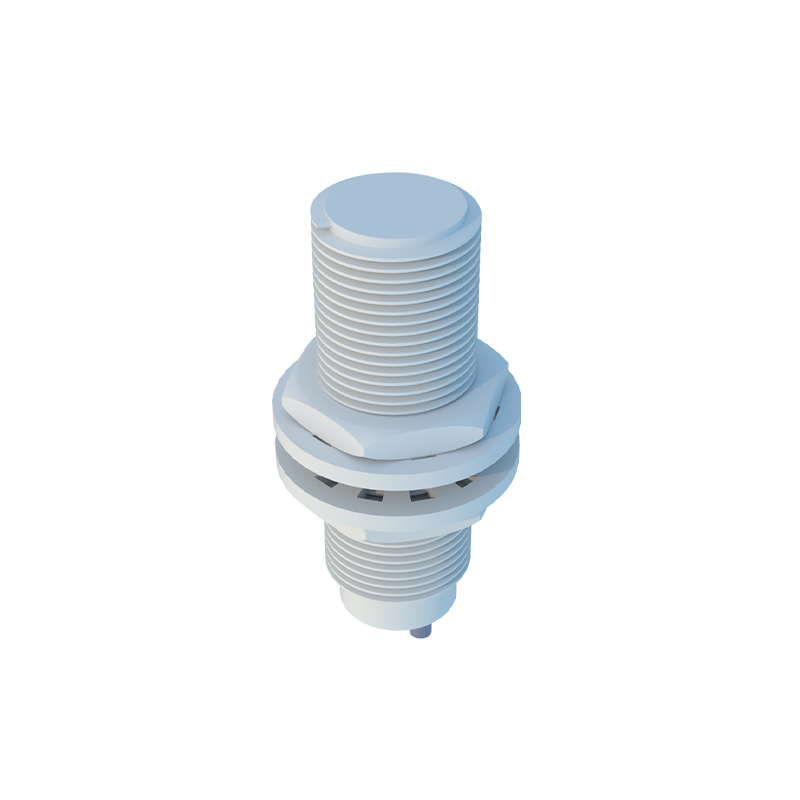
Industrial environments often present challenges like dust, coolant splashes, temperature extremes, and electromagnetic interference. Proximity sensors are designed to withstand these conditions. Many models feature IP67 or higher ingress protection ratings, ensuring functionality in wet or dusty areas. Temperature-rated components allow operation in ranges from -30°C to 85°C or beyond. Additionally, shielded designs minimize the effects of adjacent metal or electrical noise, guaranteeing stable detection even in electrically noisy plant floors.
Versatile Sensing Ranges and Outputs
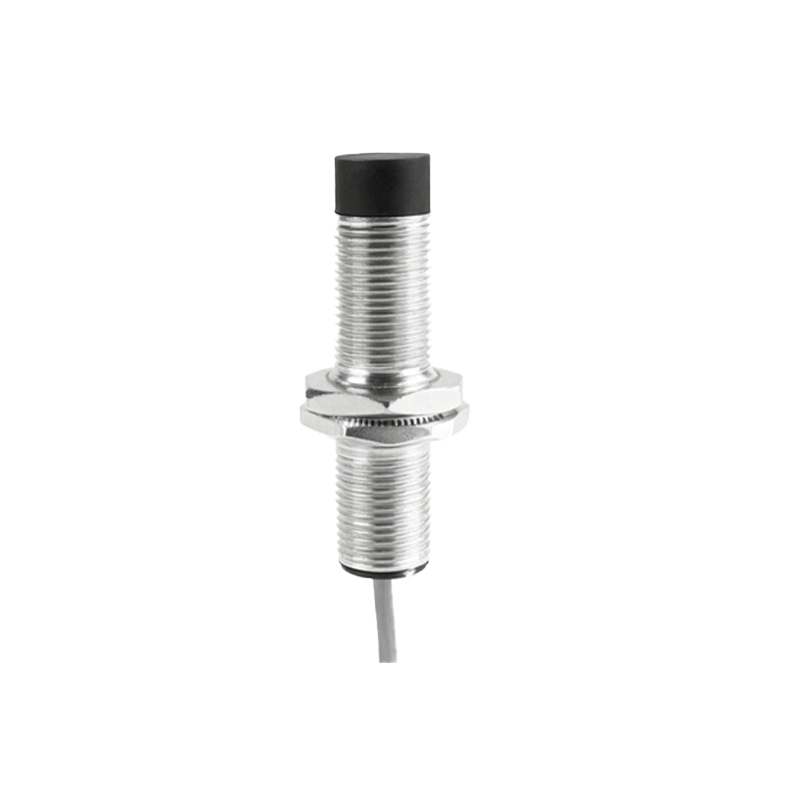
Available in diverse configurations, proximity sensors cater to a wide array of applications. Sensing distances vary from a few millimeters to several tens of millimeters, with options for inductive (metal detection), capacitive (non-metal detection), and ultrasonic models. Output types include NPN, PNP, analog (4-20mA, 0-10V), and IO-Link digital communication, allowing seamless integration with PLCs, controllers, and various industrial networks. This versatility enables precise solutions for detecting different materials, sizes, and positions.
Self-Diagnostic Capabilities
Advanced proximity sensors incorporate diagnostic functions that enhance system reliability. Features like short-circuit protection, overload protection, and LED status indicators provide immediate feedback on operational health. Some smart sensors with IO-Link can report parameters such as switching distance drift, temperature, or signal strength, enabling predictive maintenance. This capability allows engineers to address potential issues before they cause unplanned stoppages, supporting Industry 4.0 initiatives for smarter, more connected factories.
Easy Installation and Integration
Designed for straightforward implementation, these sensors often feature standardized housing sizes (e.g., M8, M12, M18, M30 threaded barrels) and mounting options. Clear marking of sensing direction and range simplifies alignment. Many are equipped with quick-disconnect connectors, reducing wiring time and facilitating replacement. Their compatibility with standard industrial voltage supplies (10-30V DC) and simple wiring schemes ensures they can be rapidly deployed into existing control panels and machinery with minimal engineering overhead.