Introduction to Photoelectric Sensor Sheet Metal
In the realm of industrial automation, the physical housing and mounting solutions for components are as critical as the electronics within. Photoelectric sensor sheet metal refers to the precisely fabricated metal enclosures, brackets, and mounting hardware that protect and position these vital sensors. These components are typically crafted from materials like galvanized steel, stainless steel, or aluminum, chosen for their durability, corrosion resistance, and ability to shield sensitive internal optics from harsh environmental factors such as dust, moisture, and mechanical impact. The design and quality of this sheet metal directly influence the sensor's longevity, reliability, and ease of installation in diverse factory settings.
Key Design Features in Sheet Metal Pictures
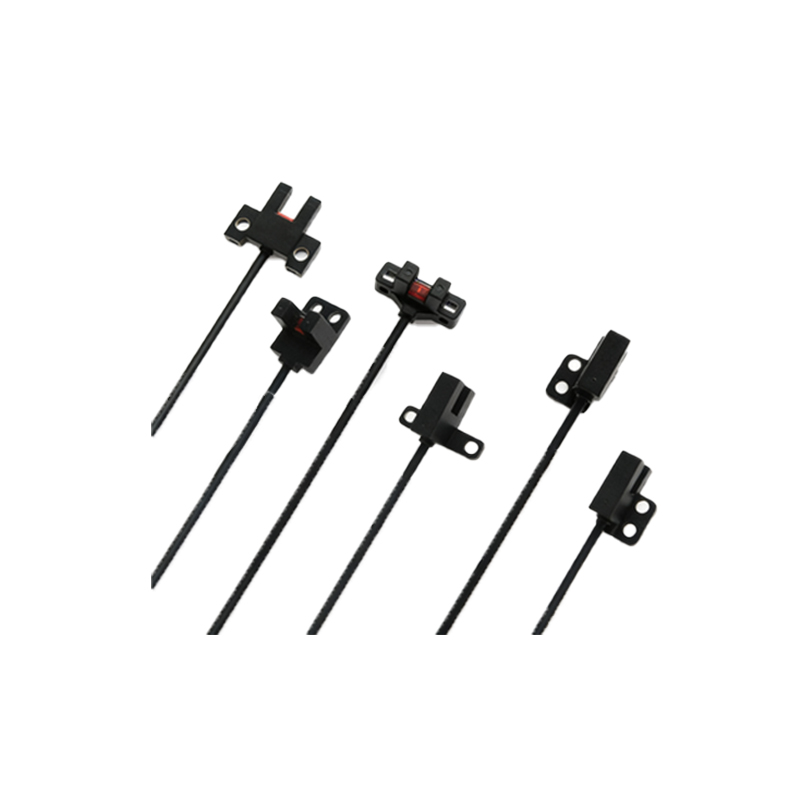
Analyzing technical pictures of photoelectric sensor sheet metal reveals several essential design features. First, the mounting bracket geometry is paramount. Look for standardized hole patterns, slotted adjustments, or swivel-base designs that allow for precise alignment of the sensor beam, a necessity for accurate detection. The pictures often highlight the thickness (gauge) of the metal, indicating structural rigidity. Another critical aspect is the ingress protection (IP) rating, achieved through gasket seals, tight seams, and proper conduit entry points visible in detailed images. These features ensure the enclosure meets IP67 or higher standards, safeguarding against dust and water jets. Furthermore, surface finishes like powder coating or galvanization are evident in quality photographs, showcasing protection against corrosion and chemical exposure.
Types of Sheet Metal Housings for Different Sensors
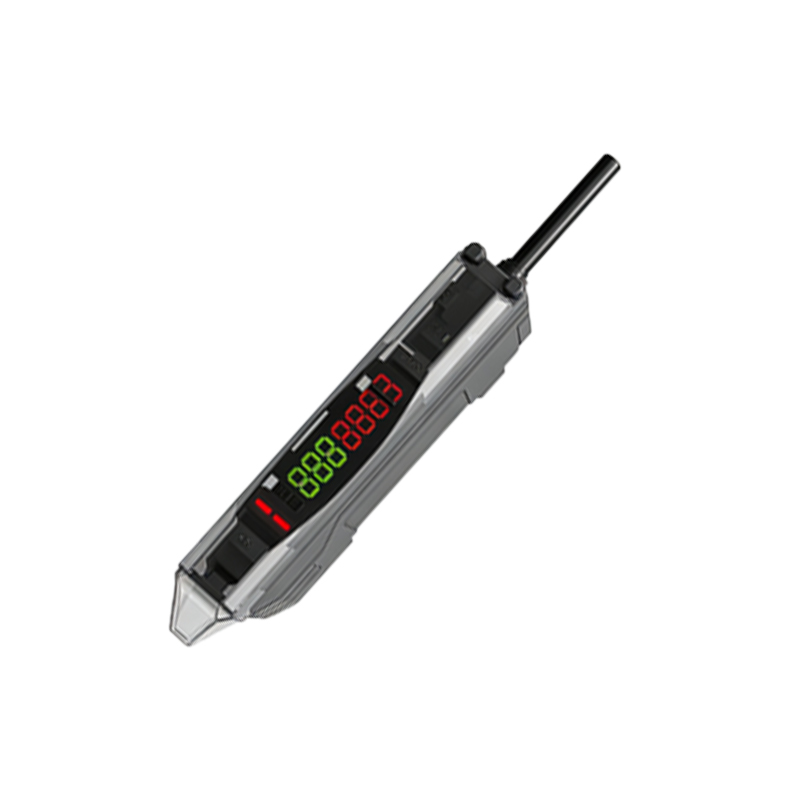
The sheet metal housing design varies significantly with the photoelectric sensor type. For compact, cylindrical sensors, the sheet metal typically consists of simple yet robust mounting brackets with locking nuts. Larger, rectangular sensors often require fully enclosed boxes with clear lid windows for status LED visibility. Pictures of through-beam sensor applications will show paired housings: one for the emitter and one for the receiver, frequently with alignment aids. Retro-reflective sensor housings might incorporate built-in brackets to hold the reflector. Specialized applications, like those in washdown environments, are served by stainless steel housings with polished, crevice-free surfaces, easily identifiable in product imagery. Understanding these variations aids in selecting the correct protective solution.
Manufacturing Processes: From Design to Fabrication
The journey from a CAD model to a finished sheet metal part involves precise manufacturing processes. Technical pictures often illustrate stages like laser cutting or punching, which create the initial blank with high accuracy for holes and cut-outs. The next stage, bending, is achieved using CNC press brakes to form the flat pattern into a three-dimensional enclosure. Critical details seen in photos include bend radii and relief cuts, which prevent material stress and cracking. Secondary operations, such as welding for added strength, tapping threads for screw mounts, or installing PEM nuts for hardware attachment, are also documented. These processes ensure the final product maintains dimensional tolerances critical for sensor alignment and interchangeability.
Importance of Customization and Integration
While standard housings are prevalent, many industrial applications demand custom photoelectric sensor sheet metal. Photographs of custom solutions might show integrated mounting for multiple sensors, unusual form factors to fit constrained spaces, or added features like cooling fins or protective hoods. The integration of conduit entries, cable glands, and pre-drilled holes for DIN rail mounting are common customization requests visible in such images. Proper customization, as evidenced in installation pictures, leads to cleaner machine design, reduced assembly time, and enhanced protection. It bridges the gap between an off-the-shelf sensor and a seamlessly integrated, reliable machine component.
Analyzing Quality Through Detailed Imagery
High-resolution, detailed pictures serve as a vital tool for engineers to assess the quality of sheet metal components before procurement. Close-up shots can reveal the smoothness of burr-free edges, the consistency of weld beads, and the integrity of powder-coated finishes without runs or thin spots. Images showing the fit between the housing and its lid, or the sensor's snug placement within the bracket, speak volumes about manufacturing precision. Engineers should scrutinize pictures for proper labeling, such as laser-etched part numbers or grounding symbols, and for the correct implementation of international standards (e.g., UL, CE markings). This visual analysis prevents field failures and ensures component reliability.
Installation and Maintenance Considerations
Pictures documenting installation scenarios provide practical insights beyond catalog specifications. They show the recommended use of specific tools, the orientation of locking hardware, and the proper routing of cables through strain relief openings. Maintenance-related imagery might demonstrate how to easily access the sensor for lens cleaning without fully dismounting the housing, or how replacement parts like gaskets are fitted. Visual guides highlighting common mistakes—such as overtightening mounting hardware leading to bracket deformation or incorrect gasket seating—are invaluable. These practical visuals underscore that well-designed sheet metal should facilitate, not complicate, installation and upkeep.
Future Trends in Enclosure Design
The evolution of photoelectric sensor sheet metal is driven by industry trends. Emerging pictures showcase designs for increasingly miniaturized sensors, requiring even more compact and intricate housings. There is a growing emphasis on modular bracket systems that allow rapid reconfiguration, visible in product lineup images. Furthermore, the integration of smart features, such as housings with built-in mounting points for IO-Link hubs or indicators, is becoming apparent. The use of lighter, stronger alloys and advanced coatings for extreme environments is another trend captured in technical photography. These images point toward a future where the sheet metal is an intelligent, adaptive part of the sensor ecosystem itself.