Understanding the Core Technology
Proximity photoelectric sensors are indispensable components in modern industrial automation. These non-contact devices detect the presence or absence of an object by using a light transmitter and receiver. The fundamental principle involves the transmitter emitting a beam of light—often infrared, red, or laser—which is then either reflected back to the receiver by the target object or interrupted by it. This change in the received light signal is converted into an electrical switch signal. Unlike mechanical limit switches, they offer wear-free operation, high switching frequencies, and exceptional reliability in harsh environments. Their ability to detect a wide variety of materials, including metals, plastics, glass, and liquids, makes them incredibly versatile across countless applications.
Key Operational Modes
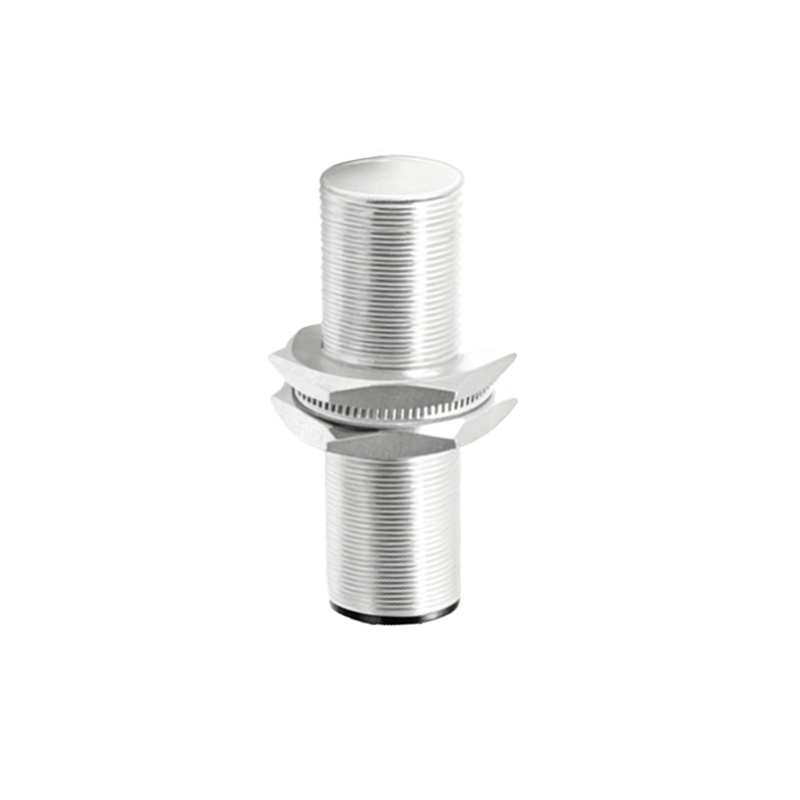
These sensors primarily operate in three distinct modes, each suited for specific detection scenarios. The first is the through-beam mode, which consists of separate transmitter and receiver units positioned opposite each other. Detection occurs when the target object interrupts the light beam. This mode offers the longest sensing range and highest reliability, ideal for precise detection tasks. The second is the retro-reflective mode, where the transmitter and receiver are housed in a single unit. A reflector bounces the emitted light back to the receiver. Detection happens when the target object blocks this reflected beam. The third and most common is the diffuse reflective mode. Here, the sensor uses the target object itself as the reflector. The emitted light scatters off the object's surface, and a portion returns to the receiver. This compact, one-unit design is space-efficient but has a shorter range and can be influenced by the object's color and surface texture.
Critical Performance Specifications
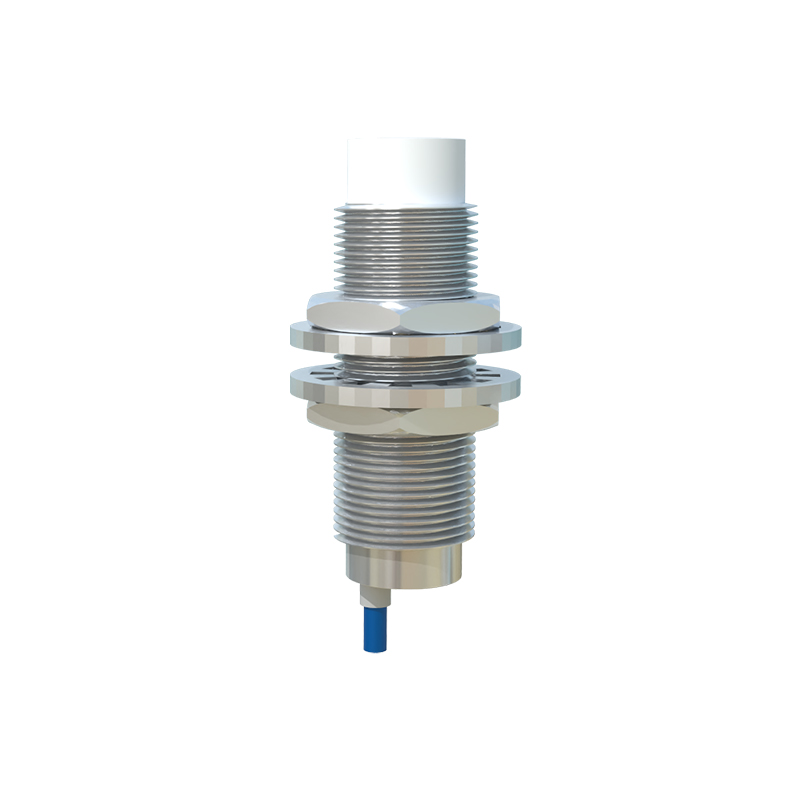
Selecting the right sensor requires a deep understanding of its technical parameters. Sensing distance, often called the rated operating distance, is a primary consideration. It varies significantly between modes, with through-beam offering the greatest reach. Repeatability, or the sensor's ability to consistently detect an object at the same point, is crucial for precision applications. Response time determines how quickly the sensor can react to a detected object, directly impacting line speed capabilities. Environmental factors like ambient light immunity, temperature range, and ingress protection (IP) ratings are vital for ensuring stable operation. Many advanced models feature background suppression technology, which allows them to ignore objects beyond a set distance, and teach-in functionality for easy setup.
Industrial Applications and Use Cases
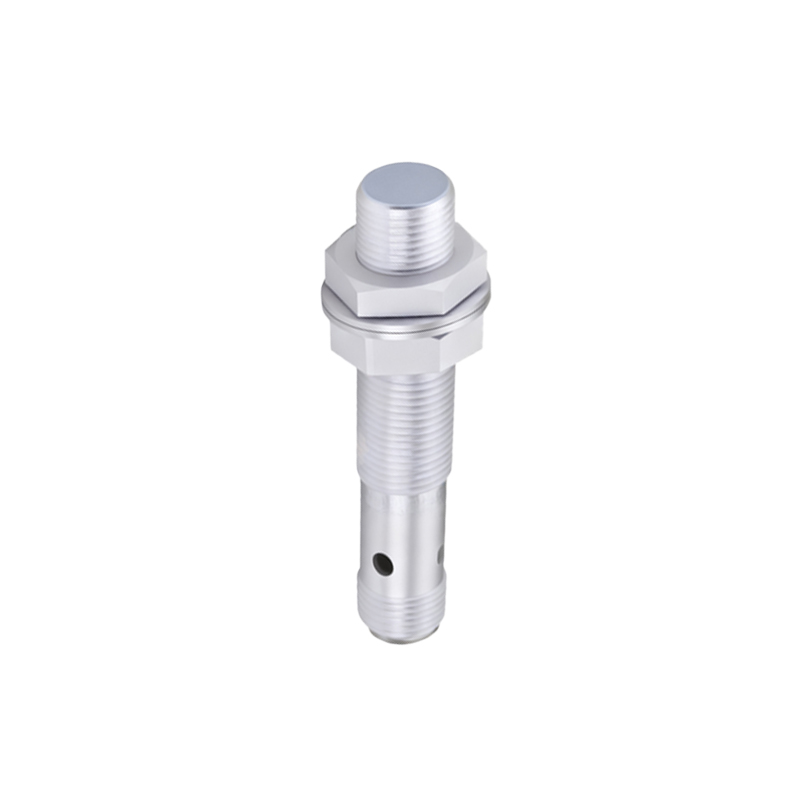
The application landscape for proximity photoelectric sensors is vast. In packaging machinery, they are used for counting products, detecting labels, and monitoring fill levels. On automated assembly lines, they verify the presence of components, control robotic arm positioning, and inspect for correct part orientation. Within the automotive industry, these sensors ensure precise part placement during welding and assembly processes. They are also fundamental in material handling for detecting pallets on conveyors, managing warehouse inventory, and controlling automated guided vehicles (AGVs). Specialized versions with fiber optic cables enable detection in extremely tight spaces or high-temperature zones where a standard sensor housing cannot fit.
Guidelines for Optimal Selection
A systematic approach is necessary for optimal sensor selection. First, define the application's core requirements: what object needs detection, its material, size, and required sensing distance. Next, choose the appropriate operating mode based on installation constraints and environmental conditions. Consider the physical characteristics of the sensor housing—cylindrical, rectangular, or slot-style—and its mounting method. The output type (PNP/NPN, NO/NC) must be compatible with the control system, typically a PLC. For challenging environments, prioritize sensors with high IP ratings (e.g., IP67, IP69K), robust housing materials like stainless steel, and resistance to specific chemicals or washdown procedures. Consulting with technical datasheets and application engineers is always recommended for complex installations.