Introduction to Photoelectric Sensors
In the realm of industrial automation, precise position detection is a cornerstone of efficiency, safety, and quality control. Among the myriad of sensing technologies available, photoelectric sensors stand out for their versatility, reliability, and non-contact operation. These devices function by emitting a beam of light, typically from an LED or laser diode, and detecting changes in the received light signal caused by the presence, absence, or specific characteristics of a target object. The fundamental principle allows them to sense objects regardless of material composition—be it metal, plastic, glass, or liquid—provided there is a contrast in light reflection or transmission. This makes them indispensable across diverse manufacturing and processing environments, from packaging lines and automotive assembly to food processing and material handling systems. Their ability to operate at high speeds and over considerable distances further solidifies their role as a primary choice for position-sensing tasks.
Core Operating Principles and Types
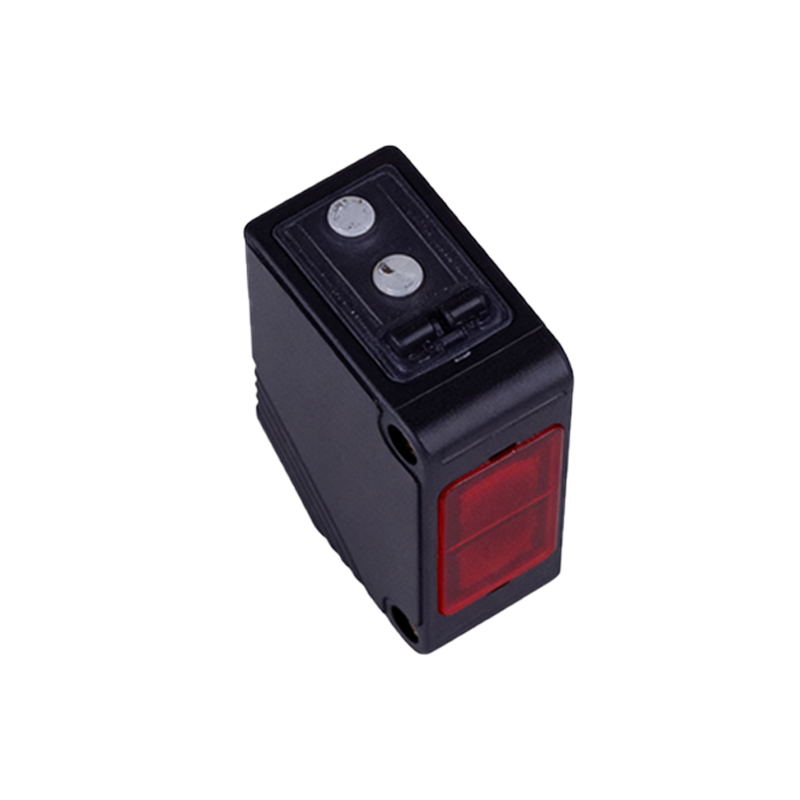
Photoelectric sensors are categorized primarily by their operating mode, which defines how light is transmitted between the emitter and receiver. The three main types are through-beam, retro-reflective, and diffuse reflective sensors. Through-beam sensors, also known as opposed-mode sensors, consist of separate emitter and receiver units placed opposite each other. Detection occurs when an object interrupts the light beam traveling from the emitter to the receiver. This configuration offers the longest sensing range and highest reliability, as it is largely immune to target surface color, texture, or reflectivity. Retro-reflective sensors house both emitter and receiver in a single housing. They project light onto a reflector, which bounces the beam back to the receiver. An object is detected when it blocks this reflected beam. These sensors provide a good balance of range and ease of installation, though they can be fooled by highly reflective objects. Diffuse reflective sensors, or proximity-mode sensors, also have a combined emitter and receiver. They detect an object when light reflected directly off the target's surface reaches the receiver. The sensing distance is shorter and can be influenced by the target's color and surface finish, but they require only a single unit and no separate reflector.
Advanced Features and Specialized Variants
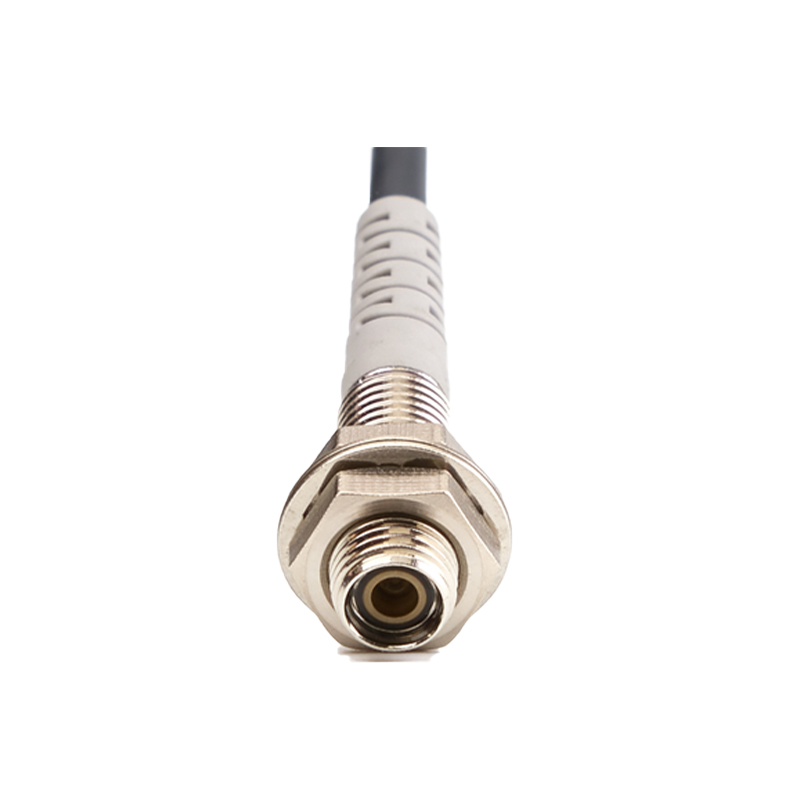
Modern industrial photoelectric sensors incorporate advanced features to tackle complex applications. Background suppression sensors are a sophisticated type of diffuse sensor that uses triangulation to detect objects only within a precise, defined distance, ignoring objects and surfaces beyond the set range. This is crucial for detecting objects on a conveyor belt regardless of the belt's color or background. Contrast sensors are designed to detect differences in color, contrast, or marks on surfaces, essential in printing, labeling, and packaging. Luminescence sensors detect the presence of materials that fluoresce under UV light, used for security marking or glue detection. Fiber optic sensors represent another critical variant, where the sensing element is a flexible fiber optic cable connected to an amplifier. This allows sensing in extremely tight spaces, high-temperature environments, or areas with high electromagnetic interference. Furthermore, many sensors now feature built-in IO-Link communication, enabling parameter setting, diagnostics, and process data exchange directly with the control system, paving the way for Industry 4.0 and predictive maintenance strategies.
Key Application Areas in Industry
The applications for photoelectric position sensors are vast and integral to modern production. In material handling and packaging, they are used for object counting, jam detection, and verifying the presence of items in cartons or on pallets. On assembly lines, they ensure components are in the correct position for robotic pick-and-place or welding operations. In the automotive sector, they verify door and panel gaps, detect vehicle position on assembly tracks, and control robotic painting arms. Within the electronics industry, these sensors precisely position circuit boards for component insertion and soldering. Food and beverage plants utilize them for bottle cap detection, fill level control, and label verification. Their non-contact nature makes them ideal for sterile environments or for handling delicate products that could be marred by physical contact. Essentially, any process requiring reliable, high-speed verification of an object's presence or precise location is a candidate for photoelectric sensing.
Critical Factors for Sensor Selection
Selecting the right photoelectric sensor for a specific position detection task requires careful consideration of several parameters. The first is the sensing range or distance required between the sensor and the target. Environmental conditions are paramount; factors such as dust, fog, steam, ambient light, and temperature extremes can affect performance, necessitating sensors with high ingress protection (IP) ratings, specialized housings, or modulated light signals to combat interference. The target characteristics—its size, material, color, surface finish, and possible movement speed—directly influence the choice of operating mode (through-beam, retro-reflective, diffuse) and may require features like background suppression. The required output type (PNP/NPN, analog, IO-Link) must match the control system's input cards. Finally, physical constraints like available mounting space and required sensing beam shape (spot, line, or wide beam) play a decisive role. Consulting datasheets and, when in doubt, testing sensor samples in the actual application environment is always a recommended best practice to ensure optimal and reliable operation.
Installation and Maintenance Best Practices
Proper installation is critical to achieving the stated performance and longevity of a photoelectric sensor. For through-beam sensors, precise alignment of the emitter and receiver is essential; even minor misalignment can drastically reduce effective range. Retro-reflective sensors require a clean, properly aligned reflector. When installing diffuse sensors, it is vital to consider the reflectivity of the background and potential interfering objects. Mounting the sensor securely to minimize vibration is important for stable readings. Electrical wiring should follow manufacturer guidelines, ensuring correct polarity and using shielded cables in electrically noisy environments to prevent false triggering. Maintenance primarily involves keeping the lens surfaces clean from dust, oil, or debris that can attenuate the light signal. Many modern sensors feature diagnostic LEDs that indicate signal strength, alignment status, or output state, greatly simplifying troubleshooting. Regular functional checks as part of a preventive maintenance schedule help avoid unplanned downtime and ensure continuous process integrity.