Understanding Proximity Sensors in Modern Industry
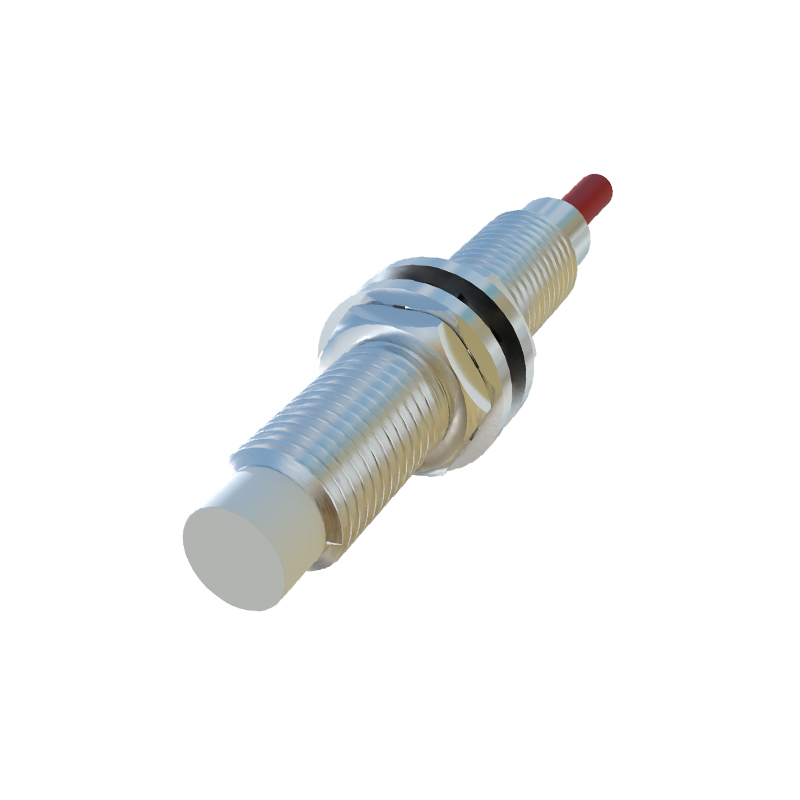
Proximity sensors are indispensable components in today's automated industrial landscape. These non-contact devices detect the presence or absence of an object within their sensing range, triggering a control signal without any physical touch. Common types include inductive sensors for metals, capacitive sensors for a wider range of materials, and photoelectric sensors using light beams. Their robustness, reliability, and speed make them critical for applications ranging from assembly line object detection and machine safety guarding to precise positioning in CNC machinery and material handling systems. Selecting the correct sensor type, sensing distance, output configuration, and housing material is paramount for optimal system performance and longevity.
The Critical Role of a Specialist Supplier
While generic electronic component distributors exist, partnering with a dedicated proximity sensor specialist store offers distinct advantages. These specialists possess deep, application-focused knowledge that goes beyond basic part numbers. Their expertise is crucial for navigating complex specifications such as switching frequency, temperature ratings, IP (Ingress Protection) codes for dust and water resistance, and compatibility with specific PLC (Programmable Logic Controller) systems. A specialist can provide critical guidance on mitigating challenges like sensing different metal types with inductive sensors or avoiding false triggers in harsh environments. They act as a technical partner, ensuring the sensor integrates seamlessly into your control system.
Key Services Offered by Expert Providers
A premier proximity sensor specialist store typically provides a comprehensive suite of services. This includes detailed product selection assistance, often supported by online configurators or direct engineer consultation. They offer extensive technical support for installation, wiring, and troubleshooting, helping resolve issues like insufficient sensing range or electrical interference. Many specialists provide customization options, such as special cable lengths, connector types, or housing modifications. Value-added services like sensor testing, application validation, and lifecycle management (including identifying obsolete parts and recommending replacements) are hallmarks of a true specialist, ensuring minimal downtime for your operations.
How to Contact Your Proximity Sensor Specialist
Direct and efficient communication channels are vital. The primary contact method for a specialist store is typically a dedicated technical sales phone line. This phone number is your direct gateway to application engineers. When calling, be prepared to discuss your application in detail: the target material, required sensing distance, environmental conditions (oil, coolant, temperature), power supply voltage, and required output type (PNP/NPN, analog, IO-Link). Having machine manuals or existing part numbers available can expedite the process. For less urgent inquiries or detailed documentation requests, a professional email address is also standard. Many stores utilize a contact form on their website to capture project specifics before a callback.
Preparing for Your Technical Consultation
To maximize the efficiency of your contact with the specialist store, thorough preparation is key. Document your application requirements clearly. This includes mechanical drawings showing the proposed mounting location, details about the target object (size, material), and the electrical characteristics of your control system. Note any specific industry standards (e.g., ATEX for hazardous areas, FDA for food and beverage) that must be met. Clearly define the problem you are solving: is it for position verification, counting, end-of-travel detection, or safety? Providing this information upfront enables the specialist's engineers to propose the most effective and cost-efficient sensor solution immediately.
Beyond the Phone: Digital Resources and Support
In addition to direct phone contact, leading specialist stores offer robust digital resources. Their websites often host detailed product catalogs, downloadable 2D/3D CAD models for easy integration into machine designs, comprehensive datasheets, and white papers on application best practices. An online storefront for purchasing is common. Look for platforms that offer live chat support for quick questions. Furthermore, many specialists maintain active technical blogs and tutorial videos, providing valuable knowledge on installation tips, diagnostic procedures, and emerging technologies like smart sensors with IO-Link communication for predictive maintenance data.
Building a Partnership for Long-Term Success
Establishing a relationship with a reliable proximity sensor specialist store is an investment in your operation's efficiency and reliability. Consistent contact with the same technical team builds a partnership where the supplier gains a deep understanding of your unique challenges and machinery. This facilitates faster troubleshooting, proactive recommendations for upgrades, and priority support during critical situations. This collaborative relationship ensures you have a trusted expert on call—not just a vendor—to help navigate technological advancements and keep your production lines running smoothly and safely for years to come.