Introduction to Proximity Switch Sensors
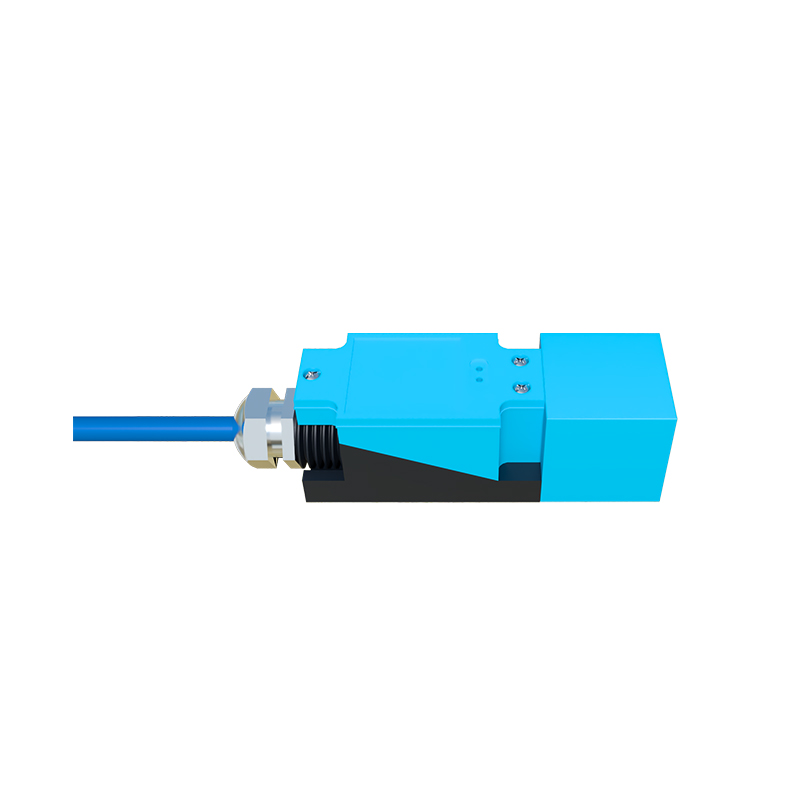
In the realm of industrial automation, pneumatic cylinders are fundamental actuators for linear motion. Their reliable operation is critical for countless applications, from packaging machinery to automotive assembly lines. To ensure precise control and monitoring of these cylinders, proximity switch sensors are indispensable components. These non-contact sensors detect the presence or absence of the cylinder's piston, providing vital feedback to the control system. Unlike mechanical limit switches, they operate without physical contact, leading to reduced wear, higher reliability, and faster response times. This makes them a cornerstone in modern, efficient pneumatic systems.
Core Function and Operational Principle
The primary function of a proximity switch sensor on a pneumatic cylinder is to detect the piston's position at specific points in its stroke, typically at the fully extended or fully retracted endpoints. Most commonly, these are inductive proximity sensors. They generate an oscillating electromagnetic field. When the piston's metallic actuator (often a permanent magnet or a metallic flag) enters this field, it induces eddy currents, causing a change in the oscillation amplitude. The sensor's internal circuitry detects this change and triggers a solid-state switch, sending a clear electrical signal—often 24V DC—to the programmable logic controller (PLC). This signal confirms the cylinder has reached its intended position, allowing the next step in the machine sequence to proceed safely and accurately.
Key Benefits for System Performance
Integrating proximity sensors into pneumatic cylinders delivers substantial advantages. Firstly, they enable precise positional feedback, which is essential for sequencing complex automated processes. This precision prevents machine jams and product damage. Secondly, their non-contact nature eliminates the mechanical wear associated with physical switches, significantly enhancing longevity and reducing maintenance costs. Thirdly, they offer high switching frequencies, allowing for faster machine cycles and improved productivity. Furthermore, their sealed designs make them resistant to dust, oil, and coolant splashes, ensuring reliable operation in harsh industrial environments. This robustness translates to increased overall equipment effectiveness (OEE).
Common Types and Selection Criteria
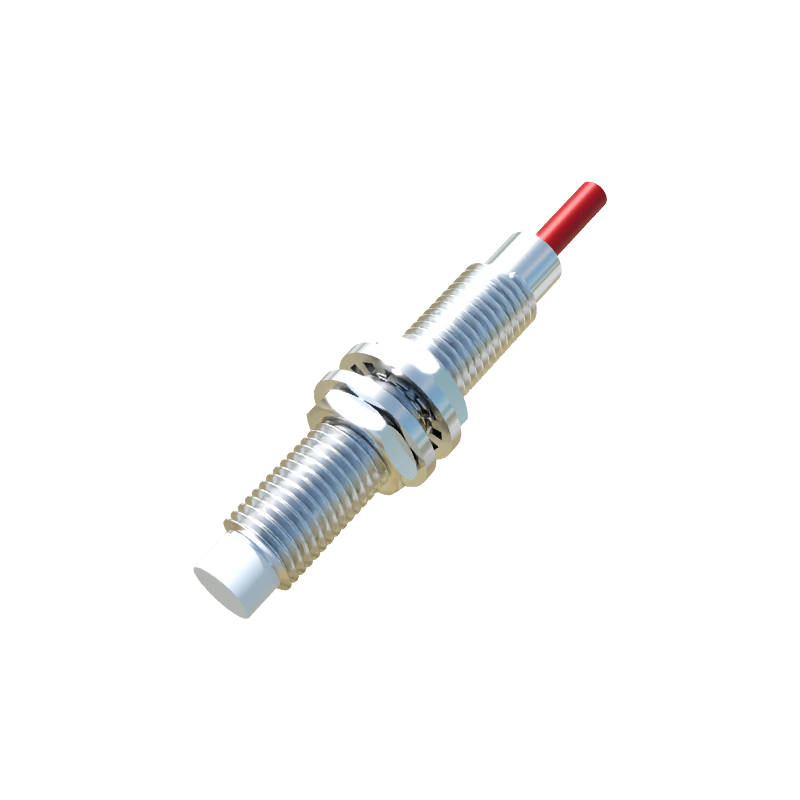
While inductive sensors are standard for detecting metal pistons, other types are used based on the application. Magnetic reed proximity switches are another popular choice, where a magnet on the piston actuates a sealed reed switch in the sensor body. For cylinders with non-metallic pistons, capacitive proximity sensors might be employed. Key selection parameters include the sensing distance, the type of output (PNP or NPN), the supply voltage, and the housing design to suit the cylinder's mounting style (e.g., barrel-mounted or in a slot). Engineers must also consider environmental factors like temperature extremes and potential chemical exposure to ensure optimal sensor life and performance.
Typical Applications in Industry
The applications for cylinder-mounted proximity switches are vast. In material handling, they confirm that a gripper cylinder has fully closed on a part before lifting. In press and stamping operations, they verify the safe retraction of a tool before the feed mechanism advances. On assembly lines, they ensure a part is correctly positioned before a welding or riveting cylinder fires. They are also crucial in safety interlock systems, where a machine cannot start unless all cylinders are in a confirmed "home" or safe position. This feedback loop is the backbone of reliable, repeatable, and safe automated motion control.
Installation and Maintenance Considerations
Proper installation is critical for reliable sensing. The sensor must be correctly aligned with the piston's actuator within its specified sensing range. Mounting brackets should be secure to prevent vibration from misaligning the sensor. Wiring should follow best practices, using shielded cables in electrically noisy environments and ensuring proper grounding. From a maintenance perspective, these sensors are largely "fit and forget" components. However, periodic checks are advisable to clean the sensing face of debris and verify the stability of the mounting and electrical connections. Monitoring for inconsistent signals can help diagnose issues early, preventing unplanned downtime.
Conclusion and Future Trends
Proximity switch sensors are more than simple on/off devices; they are the critical feedback elements that transform a basic pneumatic cylinder into an intelligent, controllable actuator within an automated system. They provide the certainty needed for precision, efficiency, and safety. Looking ahead, integration with Industrial Internet of Things (IIoT) platforms is emerging. Sensors with IO-Link capability, for instance, can provide not just binary position data but also diagnostic information like operating temperature or signal strength, enabling predictive maintenance and deeper insights into system health, further solidifying their vital role in the smart factories of the future.