Introduction to Photoelectric Sensors in Elevator Systems
Photoelectric sensors are fundamental components in modern elevator control and safety systems. These devices operate on the principle of emitting a light beam, typically infrared, and detecting its presence or absence. In elevator applications, they are primarily used for precise door control, passenger detection, and leveling functions. The reliability of these sensors is paramount, as any failure can lead to service interruptions, door-related accidents, or improper floor alignment. Their non-contact nature makes them ideal for the repetitive and demanding environment of elevator shafts and cars, where mechanical wear is a constant concern. Understanding their operation is the first step in effective testing and maintenance.
Common Types and Their Specific Applications
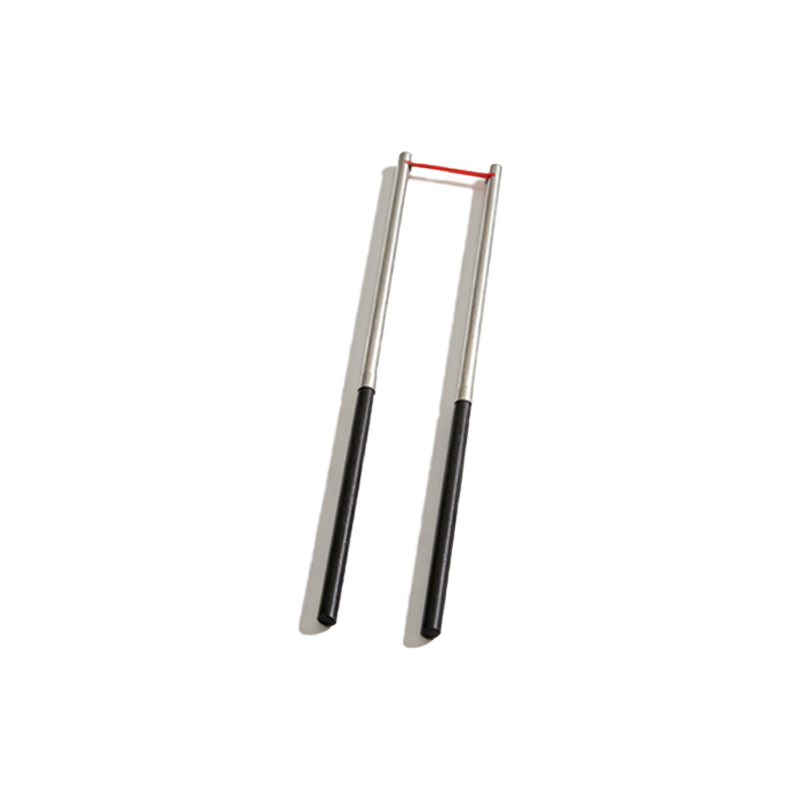
Several types of photoelectric sensors are employed in elevator systems, each suited for a specific task. Through-beam sensors, consisting of a separate emitter and receiver, are often used for door safety edges and overhead door reversal systems. They offer the longest sensing range and highest reliability. Retro-reflective sensors, which use a reflector to bounce the light beam back to the receiver, are commonly applied for car position detection and door zone monitoring. Diffuse reflective sensors, which detect light reflected directly from the target object, are typically used for passenger presence detection inside the car or for detecting obstructions in the door's path. Selecting the correct type for testing is crucial for accurate diagnostics.
Essential Tools for Sensor Testing and Diagnostics
A systematic approach to testing requires the right tools. A high-quality digital multimeter is indispensable for checking voltage supplies and output signals. An infrared detector card or a dedicated infrared viewer is critical for visually confirming the emission of the light beam, especially since it is invisible to the naked eye. For oscilloscope analysis, a portable oscilloscope can help visualize signal integrity and timing, which is vital for sensors involved in high-speed door operations. Additionally, a set of alignment tools and a reliable tachometer for checking related mechanical speeds are often necessary. Always ensure tools are calibrated and suitable for the electrical specifications of the elevator control system.
Step-by-Step Testing and Calibration Procedures
Begin testing by verifying the power supply to the sensor according to the manufacturer's specifications. Use the multimeter to confirm voltage levels at the sensor terminals. Next, employ an infrared detector to check if the emitter is active. For through-beam and retro-reflective types, check the alignment between the emitter, receiver, and/or reflector. Misalignment is a leading cause of failure. Simulate the sensing condition by introducing the target object (e.g., a test card for doors, or simulating a car at a floor). Monitor the sensor's output signal with the multimeter or oscilloscope; it should switch states cleanly and within the expected time parameters. For calibration, follow the manufacturer's guidelines to adjust sensitivity or timing to account for environmental factors like dust accumulation or minor misalignment.
Interpreting Results and Troubleshooting Common Failures
A stable output signal within specified parameters indicates a healthy sensor. Common failure modes include no output signal, intermittent operation, or a constantly activated signal. No output often points to a failed emitter, power issue, or severely misaligned beam. Intermittent signals may be caused by loose connections, fluctuating power, dirty lenses, or a failing receiver component. A constantly activated signal in a normally-open configuration could indicate a failed receiver stuck in a "beam broken" logic state or a short circuit. Environmental factors like condensation on lenses, heavy dust, or strong ambient light interfering with the sensor's wavelength can also cause erratic behavior. Document all findings against baseline performance data.
Preventive Maintenance and Best Practices
Proactive maintenance is key to maximizing sensor lifespan and system uptime. Establish a regular cleaning schedule for all sensor lenses and reflectors using appropriate, non-abrasive cleaners. Periodically check and secure all mechanical mounts and electrical connections, as vibration can loosen them over time. Log environmental conditions and note any correlations with sensor performance issues. Keep a stock of critical spare sensors, especially for high-traffic elevators. Finally, ensure all maintenance personnel are thoroughly trained on the specific sensor models installed, as procedures can vary between manufacturers. Integrating sensor checks into the routine preventive maintenance plan prevents minor issues from escalating into major operational failures.