Defining the Core Technologies
In the world of industrial automation and safety systems, precise terminology is crucial. A photoelectric sensor and an alarm are fundamentally different components, though they often work in concert within a larger system. A photoelectric sensor is a specific type of device that uses a light transmitter (usually LED or laser) and a receiver to detect the presence, absence, or distance of an object. It operates on the principle of light beam interruption, reflection, or convergence. The sensor itself generates an electrical signal based on the received light condition. An alarm, conversely, is a notification or signaling device. It is an output mechanism—such as a siren, strobe light, or panel indicator—that activates in response to a signal from a sensor or control system. Therefore, an alarm is not a sensor; it is an annunciator triggered by sensor data.
The Role of Photoelectric Sensors in Detection
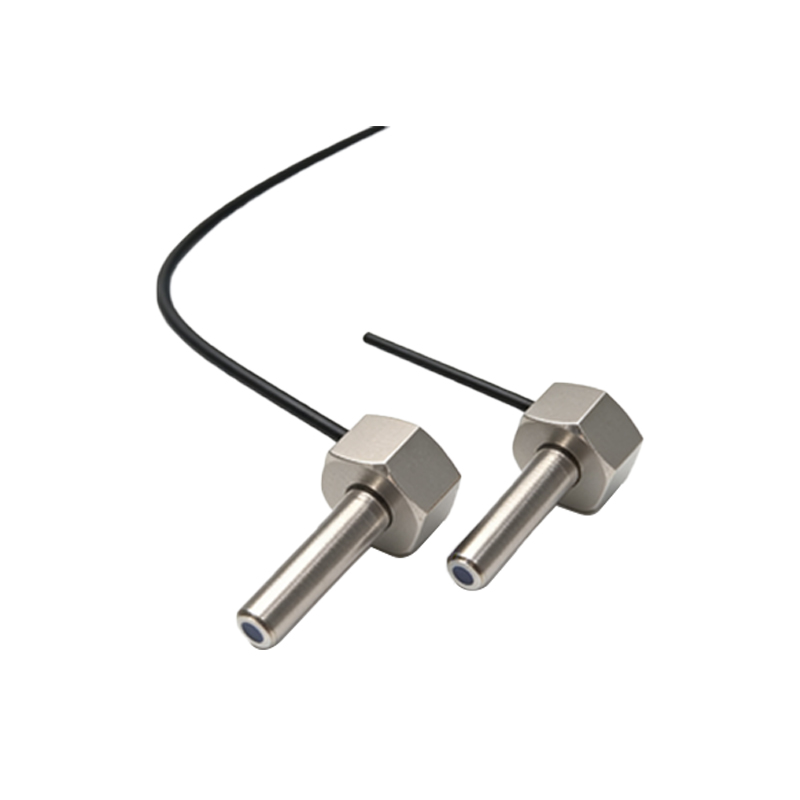
Photoelectric sensors are renowned for their versatility and non-contact detection capabilities. They are classified into three main types: through-beam, retro-reflective, and diffuse reflective. In a through-beam setup, the transmitter and receiver are separate units; an object is detected when it breaks the light beam. This type offers the longest sensing range and highest reliability. Retro-reflective sensors use a single unit with both emitter and receiver, along with a reflector. Detection occurs when the reflected beam is interrupted. Diffuse sensors detect an object by measuring the light reflected directly from its surface. These sensors form the critical "input" layer of a monitoring system, converting a physical event (an object's presence) into a usable electrical signal for a controller.
How Alarms Integrate with Sensor Systems
An alarm device is part of the output or human-machine interface (HMI) layer. Consider a security system protecting a warehouse door. A through-beam photoelectric sensor is installed across the doorway. When an unauthorized entry occurs, the beam is broken. The sensor's output changes state (e.g., from HIGH to LOW) and sends this signal to a Programmable Logic Controller (PLC) or a dedicated security panel. This controller, programmed with specific logic, then activates the connected alarm devices—perhaps a loud horn and flashing lights. The alarm is the effect, while the photoelectric sensor is the cause of that effect. They are distinct components in a cause-and-effect chain.
Common Misconceptions and Clarifications
The confusion often arises because many integrated devices combine both sensing and alarming functions into a single housing, marketed under simplified names. For instance, a "photoelectric smoke alarm" is a common household item. In this device, an internal photoelectric chamber acts as the sensor to detect smoke particles, and a built-in sounder acts as the alarm. Technically, it contains a photoelectric sensor *and* an alarm. In industrial settings, a stack light on a machine might use a photoelectric sensor to detect a part jam. The sensor signals the PLC, which illuminates the red beacon on the stack light—the alarm indicator. The stack light itself is not the sensor; it is the visual alarm.
Selecting the Right Component for Your Application
Understanding this distinction is vital for proper system design and troubleshooting. When specifying components for an application, engineers must select the appropriate sensor type (photoelectric, inductive, capacitive, etc.) based on the target object, range, and environmental conditions. Separately, they must choose the suitable alarm or notification method (audible, visual, textual) based on the required operator response. Using a device labeled as an "alarm" to perform the sensing function will lead to system failure. Conversely, a sensor alone cannot alert personnel without being connected to an alarm or control interface. Always consult technical datasheets to confirm a device's primary function as either a sensing element or an output annunciator.