Introduction to Photoelectric Sensors
Photoelectric sensors are essential components in modern industrial automation, widely used for detecting the presence, absence, or position of objects without physical contact. These sensors operate by emitting a light beam—typically infrared, visible, or laser light—and measuring changes in the received light intensity. The core principle relies on the interaction between light and objects, making them versatile for diverse environments, from manufacturing lines to packaging systems. Their non-contact nature ensures minimal wear and tear, high reliability, and fast response times, which are critical in high-speed automation processes.
Basic Operating Principles
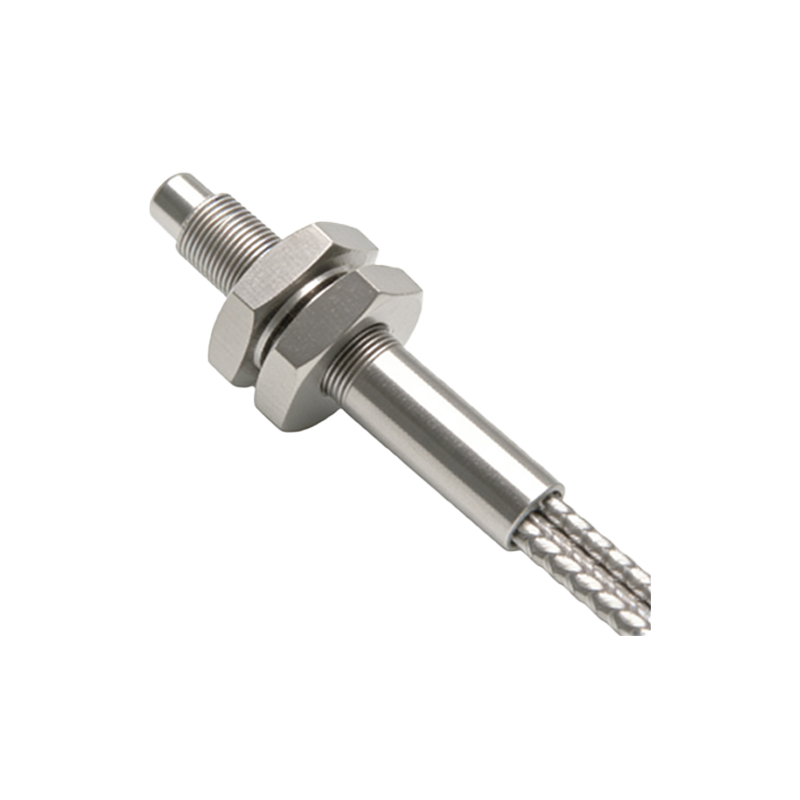
The functionality of photoelectric sensors hinges on three main components: a light source (emitter), a receiver (photodetector), and signal processing circuitry. The emitter generates a focused light beam directed toward the target area. When an object interrupts or reflects this beam, the receiver detects the alteration in light patterns. This change is converted into an electrical signal by the photodetector, often a phototransistor or photodiode, which then triggers an output switch. The sensor's design allows it to distinguish between light and dark conditions, enabling precise object detection even in challenging settings like dusty or humid areas.
Types of Photoelectric Sensors
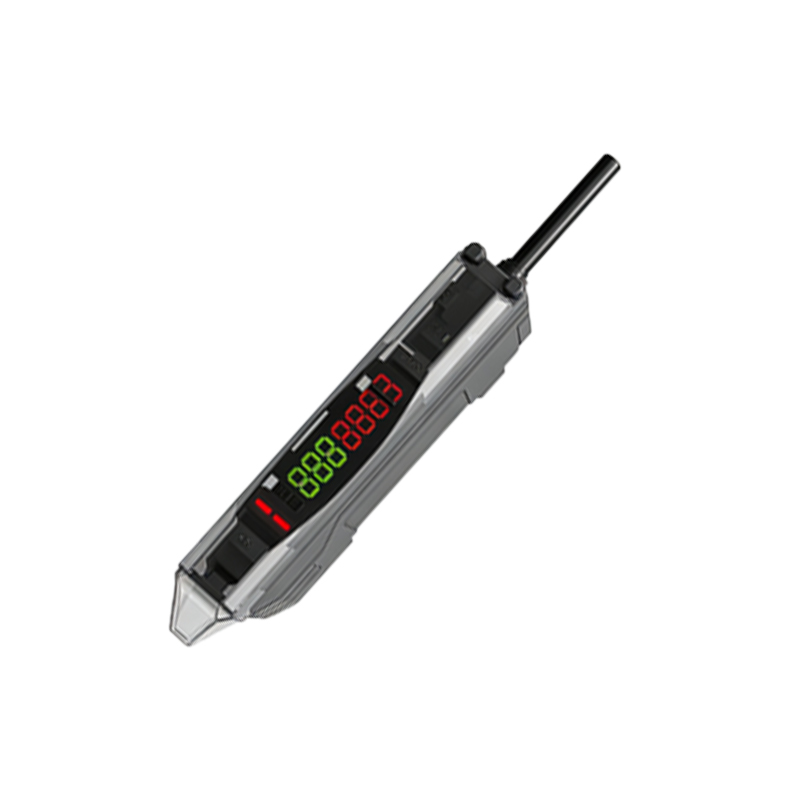
Photoelectric sensors are categorized based on their sensing methods: through-beam, retro-reflective, and diffuse-reflective models. Through-beam sensors consist of separate emitter and receiver units placed opposite each other; detection occurs when an object blocks the light path, offering long-range and high-accuracy performance. Retro-reflective sensors use a single unit with both emitter and receiver, along with a reflector to bounce light back; objects are detected when they interrupt the reflected beam, suitable for medium-range applications. Diffuse-reflective sensors rely on light reflecting directly off the target object, making them ideal for short-range tasks where reflectors aren't feasible. Each type has distinct advantages, such as through-beam's immunity to object color or surface texture, while diffuse models are cost-effective for proximity sensing.
Light Source Technologies
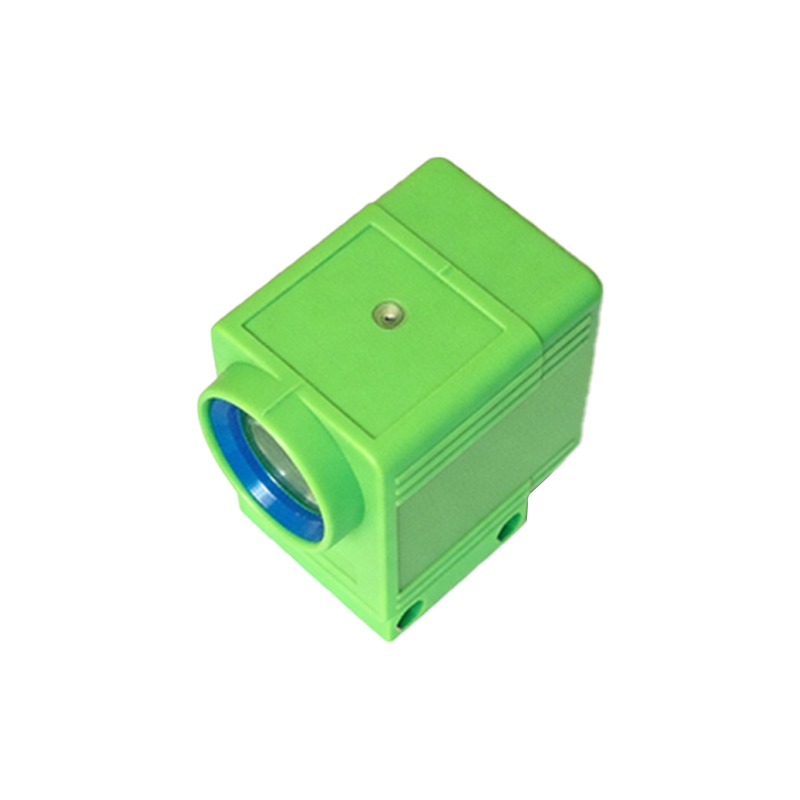
Advancements in light source technology have significantly enhanced photoelectric sensor capabilities. Traditional incandescent bulbs have been largely replaced by light-emitting diodes (LEDs) due to their longevity, energy efficiency, and stable output. Infrared LEDs are common for their invisibility and resistance to ambient light interference, while visible red or green LEDs aid in alignment and setup. Laser-based sensors provide highly focused beams for precise detection over extended distances, often used in alignment or measurement systems. Additionally, modulated light signals—where the emitter pulses at a specific frequency—help sensors filter out background noise, ensuring reliable operation in environments with variable lighting conditions.
Signal Processing and Output
Once the receiver detects light changes, internal circuitry processes the signal to determine the presence of an object. This involves amplification, filtering, and comparison against predefined thresholds. Many sensors incorporate microcontrollers for adaptive functions like background suppression or temperature compensation. Outputs typically include digital switches (e.g., NPN or PNP transistors) or analog signals (e.g., 4-20 mA or 0-10 V), which interface with programmable logic controllers (PLCs) or other automation devices. Some advanced models feature programmable logic, allowing users to customize detection parameters via software, thereby optimizing performance for specific applications such as counting, sorting, or quality control.
Applications in Industrial Automation
Photoelectric sensors play a pivotal role across industries due to their adaptability and precision. In manufacturing, they monitor assembly lines by detecting part positions or verifying component presence, preventing jams and ensuring smooth operations. Packaging systems utilize them for label verification, fill-level control, and object counting. Automotive sectors rely on sensors for robotic guidance and safety interlocks, while logistics employ them in conveyor belt tracking and inventory management. Their ability to operate in harsh conditions—such as extreme temperatures or corrosive atmospheres—makes them indispensable in sectors like mining, agriculture, and pharmaceuticals, where reliability is paramount.
Installation and Calibration Tips
Proper installation and calibration are crucial for optimal sensor performance. Key considerations include aligning the emitter and receiver accurately, especially for through-beam and retro-reflective types, to avoid false triggers. Mounting should account for environmental factors like vibration, dust, or moisture, with protective housings used when necessary. Calibration involves adjusting sensitivity settings to match the target object's reflectivity and size; many sensors feature teach-in functions for simplified setup. Regular maintenance, such as cleaning lenses and checking connections, helps sustain long-term accuracy. Additionally, users should verify compatibility with control systems and adhere to safety standards to prevent operational hazards.
Future Trends and Innovations
The evolution of photoelectric sensors continues with trends toward miniaturization, enhanced connectivity, and smart features. Integration with Industrial Internet of Things (IIoT) platforms enables real-time data monitoring and predictive maintenance, reducing downtime. Innovations like multi-function sensors combine detection with measurement capabilities, such as distance or color sensing, using advanced algorithms. Energy-efficient designs and eco-friendly materials are also gaining traction, aligning with sustainability goals. As automation becomes more complex, sensors with higher resolution and faster response times will drive efficiency, solidifying their role in next-generation smart factories and autonomous systems.