Introduction to Proximity Sensing Technology
Proximity sensors are non-contact devices that detect the presence or absence of objects within a defined range. Utilizing various technologies such as inductive, capacitive, ultrasonic, and photoelectric principles, these sensors generate an output signal without physical contact. This capability makes them ideal for harsh environments where dirt, moisture, or mechanical wear could compromise performance. The core function involves emitting an electromagnetic field or beam and monitoring changes caused by a target object. As automation and smart manufacturing evolve, proximity sensors have become fundamental components in numerous sectors, offering reliability, precision, and durability. Their ability to operate in diverse conditions—from high-temperature industrial settings to delicate electronic assemblies—underscores their versatility and widespread adoption.
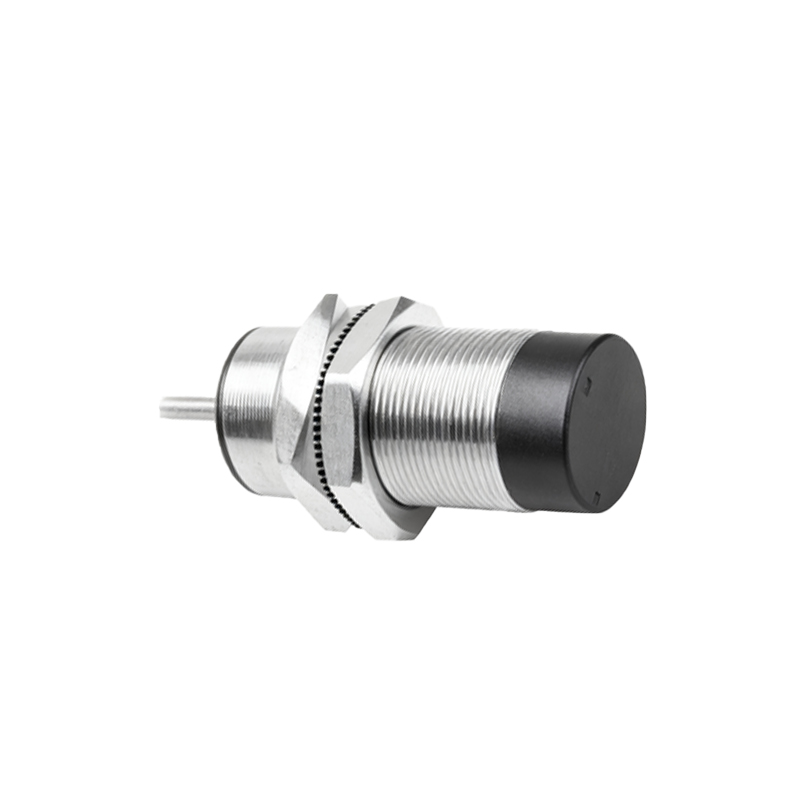
Industrial Automation and Manufacturing
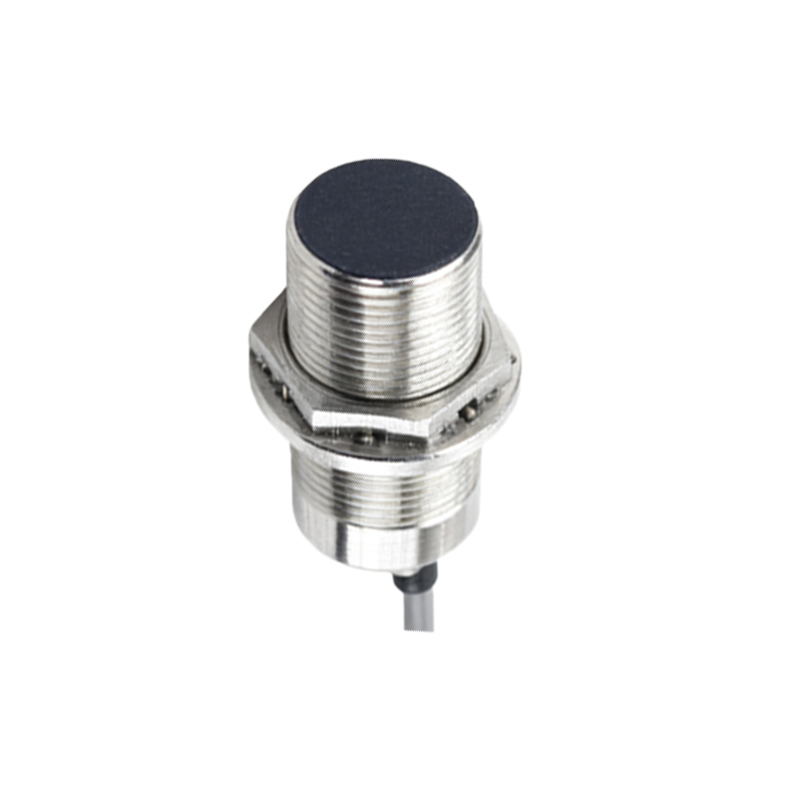
In industrial automation, proximity sensors are indispensable for enhancing efficiency and safety. They are extensively used in assembly lines to detect parts, monitor positions, and control robotic movements. For instance, inductive sensors identify metal components on conveyor belts, ensuring correct placement and sequencing. Capacitive sensors handle non-metallic materials like plastics or liquids, enabling tasks such as fill-level detection in containers. In robotic arms, these sensors provide precise positioning feedback, preventing collisions and optimizing pick-and-place operations. Additionally, they facilitate machine guarding by detecting unauthorized access to hazardous zones, triggering emergency stops. The manufacturing sector relies on proximity sensors for quality control, counting products, and verifying assembly completeness, thereby reducing downtime and minimizing errors.
Automotive Industry Applications
The automotive industry leverages proximity sensors for both production and vehicle functionality. During manufacturing, sensors inspect components, align parts, and monitor welding processes. In vehicles, they enhance driver assistance systems and safety features. Ultrasonic sensors in parking assist systems detect obstacles, providing audible or visual alerts to prevent collisions. Inductive sensors monitor wheel speed for anti-lock braking systems (ABS), ensuring optimal traction. Capacitive sensors are integrated into touch-sensitive controls for infotainment systems, improving user interaction. Furthermore, proximity sensors enable keyless entry and ignition systems, detecting the presence of a key fob to unlock doors or start engines automatically. As electric and autonomous vehicles advance, these sensors will play a critical role in object detection, battery management, and automated driving functions.
Consumer Electronics and Home Appliances
Proximity sensors contribute to the convenience and energy efficiency of consumer electronics. In smartphones, they detect when a device is near the user's ear during calls, turning off the display to save power and prevent accidental touches. Similarly, laptops use sensors to dim screens when users are not present, conserving battery life. Home appliances like automatic faucets and soap dispensers employ infrared or capacitive sensors for touchless operation, promoting hygiene. Robotic vacuum cleaners utilize ultrasonic or photoelectric sensors to navigate around furniture and avoid falls. Smart home systems integrate proximity sensors for security, activating lights or alarms when motion is detected. These applications highlight how sensor technology enhances user experience while supporting sustainable practices through reduced energy consumption.
Healthcare and Medical Devices
In healthcare, proximity sensors ensure precision and safety in diagnostic and therapeutic equipment. They are used in imaging devices like MRI and CT scanners to monitor patient positioning, preventing misalignment that could affect results. Infusion pumps incorporate sensors to detect air bubbles in tubing, safeguarding against embolisms. Surgical robots rely on proximity feedback for accurate instrument movement, minimizing invasiveness. Additionally, wearable medical devices, such as glucose monitors, use sensors to track proximity to reading units for data transmission. In hospital settings, touchless interfaces powered by capacitive sensors reduce cross-contamination risks. The medical field benefits from the non-contact nature of these sensors, which maintains sterility and improves patient outcomes through reliable, real-time monitoring.
Aerospace and Defense Systems
Aerospace and defense applications demand high reliability, and proximity sensors meet these rigorous standards. In aircraft, they monitor landing gear deployment, detect door closures, and assess engine component positions. Radar and lidar systems use proximity sensing for collision avoidance and terrain mapping. Military equipment employs sensors in unmanned aerial vehicles (UAVs) for navigation and target identification. Harsh environments, such as extreme temperatures or vibrations, are managed with ruggedized sensor designs. Furthermore, space exploration missions utilize proximity sensors in docking mechanisms and robotic arms on spacecraft. The ability to function accurately under stress makes these sensors vital for safety and mission success in critical operations.
Future Trends and Innovations
The future of proximity sensors is shaped by advancements in IoT, AI, and miniaturization. Integration with IoT networks enables real-time data collection and predictive maintenance in industrial settings. AI algorithms enhance sensor capabilities, allowing for pattern recognition and adaptive responses. Miniaturized sensors are expanding into