Introduction to Proximity Sensor Fundamentals
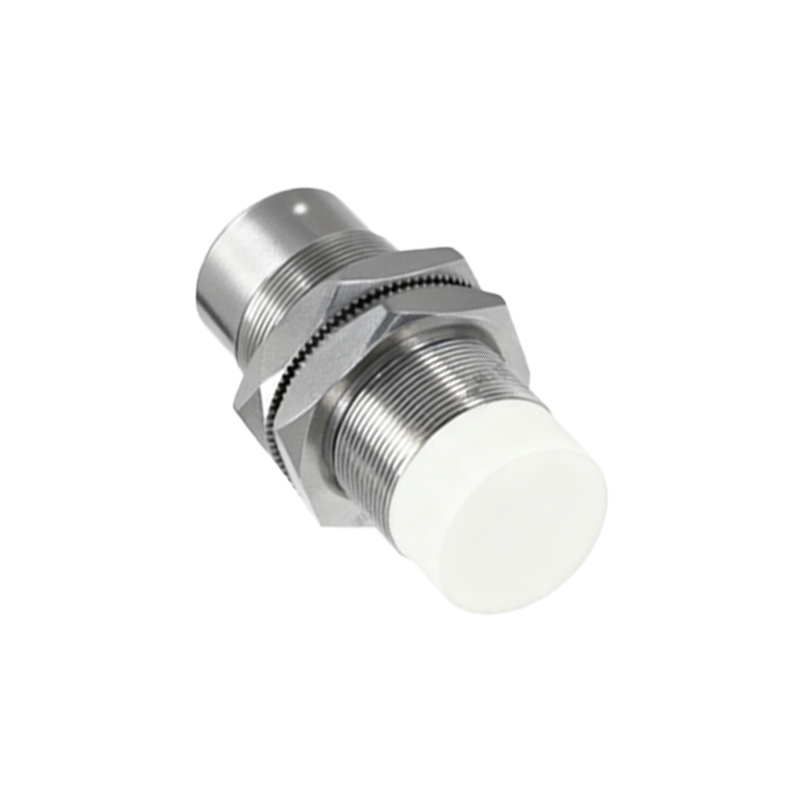
Proximity sensors are indispensable components in modern industrial automation, providing non-contact detection of objects within a defined sensing range. Unlike mechanical switches, they operate without physical contact, thereby eliminating wear and tear and enabling high-speed, reliable operation in harsh environments. These sensors are broadly categorized based on their underlying technology, primarily inductive, capacitive, ultrasonic, and photoelectric. Each type is governed by a specific set of key parameters that determine its suitability for a given application. Selecting the correct sensor hinges on a thorough understanding of these parameters, which directly impact system performance, reliability, and cost-effectiveness. This article delves into the critical parameters that define a proximity sensor's operational envelope and selection criteria.
Sensing Distance: The Primary Specification
The most fundamental parameter is the sensing distance, often referred to as the nominal sensing range (Sn). This is the maximum distance at which the sensor can reliably detect a standard target under specified conditions. It is crucial to note that this is a theoretical value. For inductive sensors, the standard target is typically a square of mild steel (Fe360) with a side length equal to the sensor's diameter or three times the rated sensing distance, whichever is greater. The effective sensing distance (Sr) can vary based on the target material, size, shape, and environmental factors. Engineers must always consider a safety margin, applying a derating factor (often 0.7 to 0.8 of Sn) to ensure reliable operation in real-world conditions, accounting for temperature fluctuations, voltage tolerances, and manufacturing variances.
Hysteresis: Ensuring Operational Stability
Hysteresis is a critical parameter that prevents output signal oscillation or "chatter" when a target is positioned near the sensor's detection threshold. It is defined as the difference between the switch-on point (when the target approaches and the output activates) and the switch-off point (when the target recedes and the output deactivates). This differential creates a dead band, ensuring a clean, single switching event even if the target vibrates or stops precisely at the edge of the sensing range. A sensor with appropriate hysteresis provides stable operation, which is vital for precise positioning and counting applications. The hysteresis value is typically expressed as a percentage of the nominal sensing distance.
Response Time and Switching Frequency
Response time defines how quickly a sensor can react to the presence or absence of a target. It is usually specified as the time delay between the target entering the sensing field and the output signal changing state. A fast response time is essential for high-speed applications like part counting on a fast conveyor or detecting objects on packaging machinery. Closely related is the switching frequency, which indicates the maximum number of on/off cycles the sensor can perform per second (Hz). This parameter determines the maximum speed at which objects can pass by the sensor while still being detected individually. Both parameters must be evaluated against the application's required cycle time and object speed.
Environmental and Construction Specifications
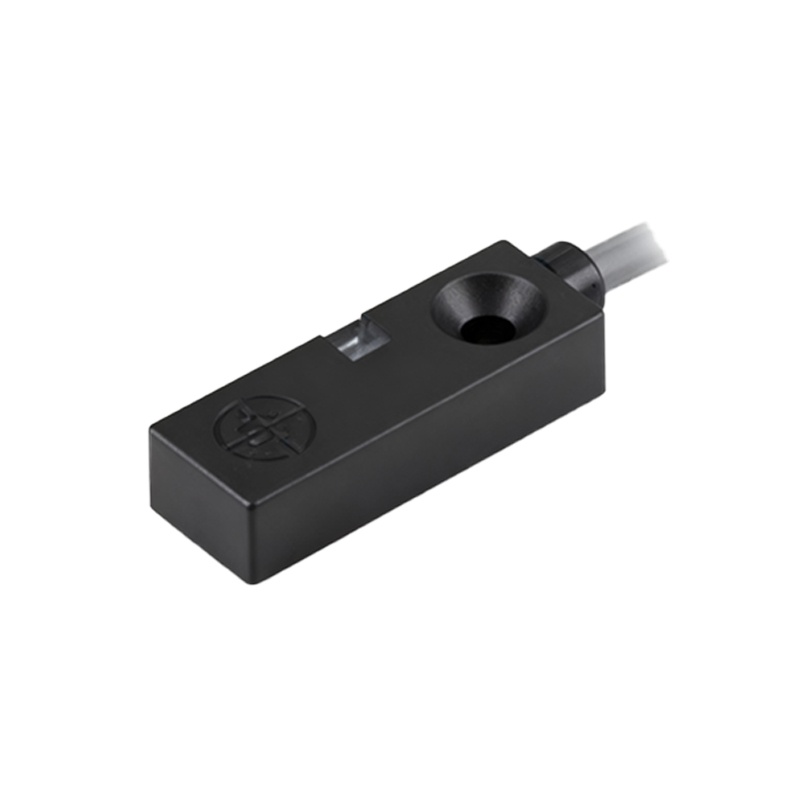
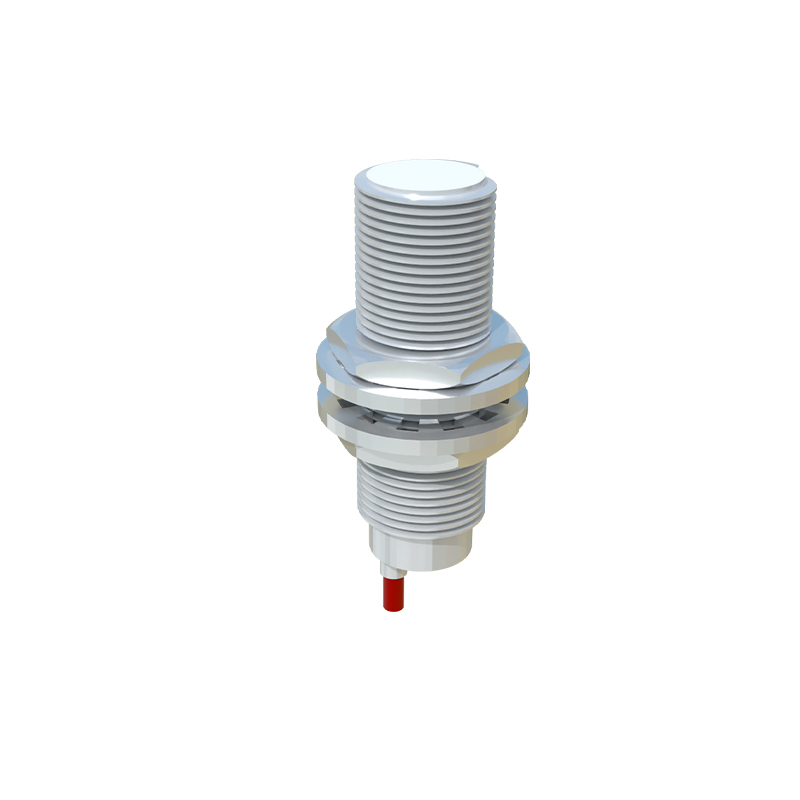
The operating environment imposes stringent requirements on sensor construction. Key parameters here include the housing material (e.g., nickel-plated brass, stainless steel, or PBT plastic), the ingress protection (IP) rating (e.g., IP67, IP69K), and the temperature range. Inductive and capacitive sensors must also specify their shield or non-shielded design. A shielded sensor can be flush-mounted in metal without affecting its sensing field, whereas a non-shielded sensor offers a longer sensing range but requires clearance around its sensing face. Furthermore, parameters like short-circuit protection, reverse polarity protection, and resistance to shock and vibration are vital for ensuring longevity and fail-safe operation in demanding industrial settings.
Electrical Output Characteristics
The electrical output defines how the sensor interfaces with the control system. The primary types are NPN (sinking) and PNP (sourcing) for DC sensors, and AC two-wire or three-wire configurations. Key parameters include the operating voltage range, residual current (for AC types), leakage current (for DC types in the off-state), and the maximum load current. The output configuration (normally open NO or normally closed NC) is also a selection parameter. For analog output sensors (e.g., 4-20 mA, 0-10V), critical parameters include linearity, resolution, and repeatability over the sensing range. The choice directly impacts wiring, compatibility with programmable logic controllers (PLCs), and overall system design.
Target Material and Size Influence
For inductive proximity sensors, the detection capability is intrinsically linked to the target's material and its electromagnetic properties. The sensing distance is rated for mild steel. For other metals, a correction factor must be applied; for instance