Introduction to Photoelectric Sensing Technology
Photoelectric sensors are fundamental components in modern industrial automation, providing non-contact detection of objects. The core principle involves emitting a beam of light, typically from an LED, and detecting changes in the received light intensity. These changes are caused by the presence or absence of a target object. The technology is prized for its long sensing distances, high speed, and ability to detect a wide variety of materials, including glass, metal, plastic, and liquids. Unlike proximity sensors that rely on electromagnetic fields, photoelectric sensors are unaffected by the color or material conductivity of the target, making them exceptionally versatile. Their applications span across packaging, material handling, assembly lines, and safety systems, forming the eyes of automated machinery.
Detailed Overview of the G52CP Sensor Model
The G52CP represents a robust through-beam photoelectric sensor designed for demanding industrial environments. This model features a compact, rectangular housing constructed from durable materials like ABS or metal alloys, offering high resistance to impact, vibration, and environmental contaminants. It typically operates with a modulated infrared or visible red light source to minimize interference from ambient light. The key specifications of the G52CP include an extended sensing range, often up to several meters, a fast response time measured in milliseconds, and a high degree of ingress protection (e.g., IP67), making it suitable for washdown areas. It commonly employs a DC power supply (10-30V DC) and provides both NPN (sinking) and PNP (sourcing) output configurations for flexible integration into various control systems like PLCs.
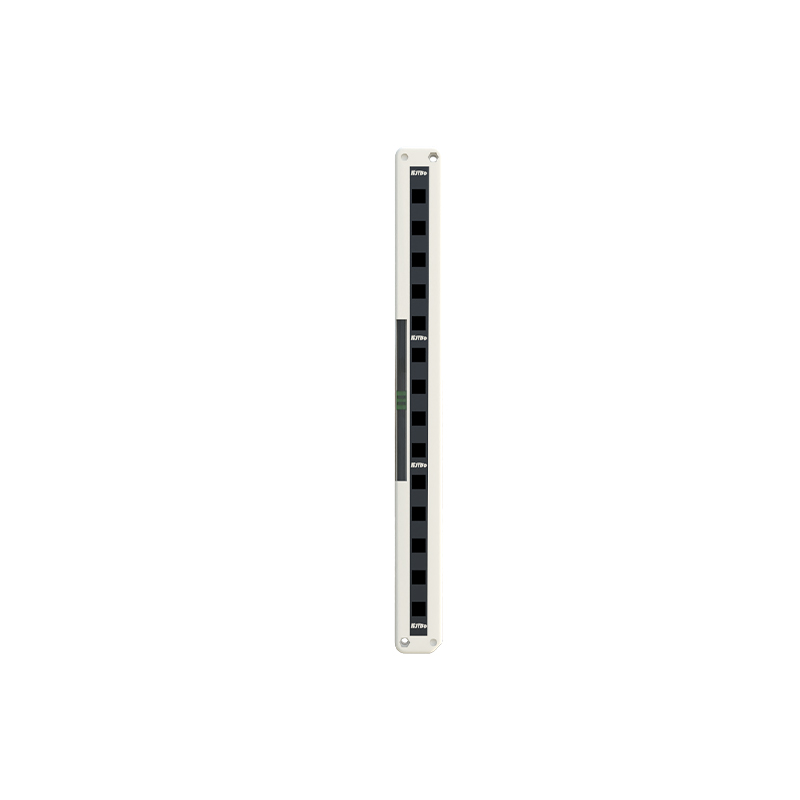
Key Features and Technical Advantages
The G52CP sensor incorporates several advanced features that enhance its reliability and performance. A primary advantage is its high noise immunity due to modulated light emission, which ensures stable operation even in electrically noisy factory settings. Many variants include a sensitivity adjustment potentiometer or teach-in function, allowing fine-tuning of the sensing threshold for different object colors or surface finishes. The through-beam design, consisting of a separate emitter and receiver, offers the longest possible sensing distance and the most reliable detection, as it is less susceptible to object color, reflectivity, or angle. Additionally, models often come with an LED status indicator for power and output state, facilitating easy installation and troubleshooting.
Typical Applications in Industrial Settings
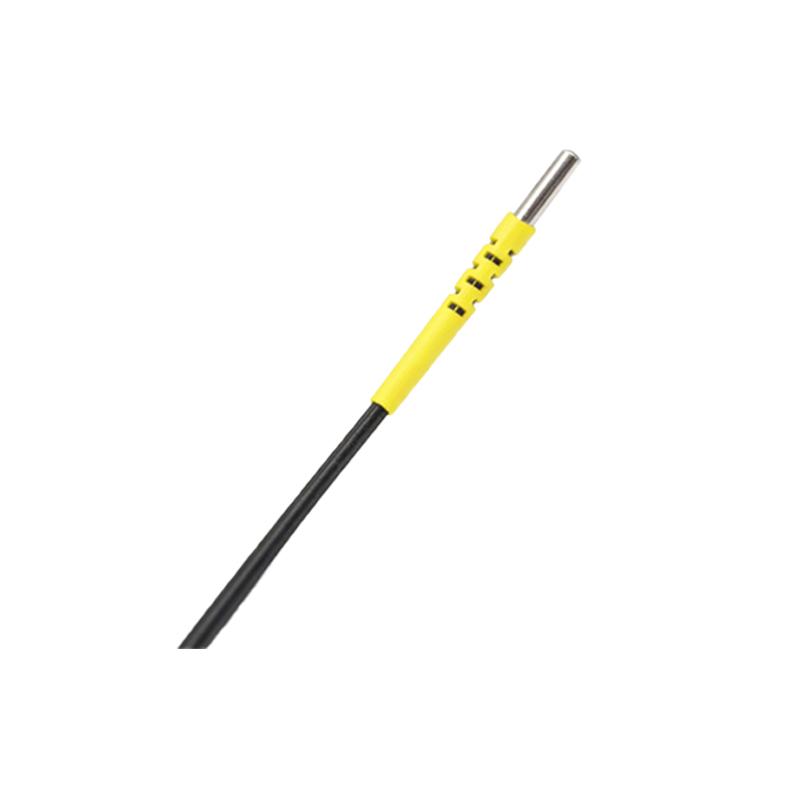
The reliability and long-range capability of the G52CP make it ideal for numerous critical applications. In packaging machinery, it is used for precise object counting, bottle cap presence verification, and label detection on high-speed conveyors. Within automotive assembly lines, it ensures component positioning and checks for the presence of parts like pistons or gears. In material handling, it serves as a break-beam sensor for detecting oversized packages, monitoring stack height on palletizers, or providing jam detection in sorting systems. Its robust housing also allows use in harsh areas, such as detecting logs in sawmills or monitoring fill levels in aggregate processing plants.
Installation Guidelines and Best Practices
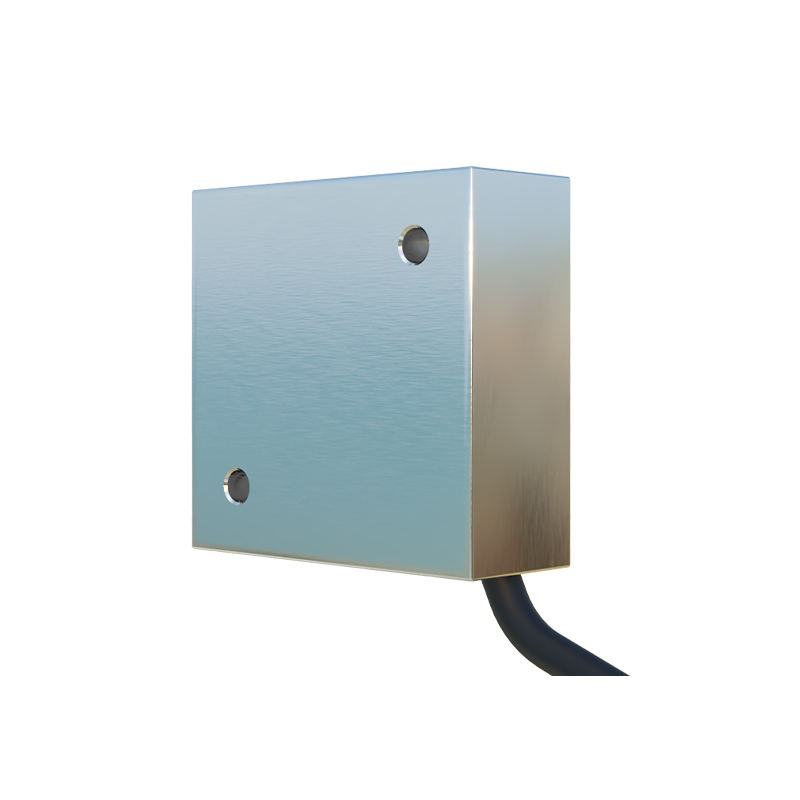
Correct installation is paramount for optimal sensor performance. For through-beam types like the G52CP, precise alignment of the emitter and receiver units is critical. Mounting brackets should be used to ensure a rigid, vibration-free setup. The optical axes must be perfectly aligned; a misalignment can drastically reduce the effective sensing range. Installers should consider the target object's size, ensuring it is large enough to interrupt the light beam completely. Environmental factors must be addressed: keep the lens clean from dust, oil, or condensation, and ensure that strong ambient light (e.g., direct sunlight or welding arcs) does not shine directly into the receiver. Maintaining a clear line of sight without obstructions is essential.
Troubleshooting Common Operational Issues
Even with robust design, sensors may encounter issues. A frequent problem is false triggering or failure to detect. This can often be traced to misalignment; realigning the emitter and receiver is the first step. Next, check for lens contamination and clean it with a soft cloth. Verify the power supply voltage is within the specified range. If the sensor detects objects erratically, the sensing distance might be set too high for a dirty or reflective target; adjust the sensitivity potentiometer. For intermittent operation, inspect wiring for loose connections, shorts, or electrical noise interference, possibly requiring shielded cables. Consistently monitoring the status LEDs provides immediate visual feedback for diagnosis.
Comparison with Other Sensing Technologies
While the G52CP through-beam sensor excels in long-range, reliable detection, understanding its position relative to other technologies is important. Compared to diffuse-reflective sensors, which have a single unit, through-beam models offer longer range and higher reliability but require two separate units to be mounted and aligned. Proximity inductive sensors are superior for detecting only metallic objects at very short ranges but are ineffective for non-metals. Capacitive sensors can detect non-metals and liquids but are influenced by environmental factors like humidity. Ultrasonic sensors are excellent for distance measurement and detecting transparent objects but are generally slower and more expensive. The choice depends on the specific application requirements.
Maintenance and Longevity Considerations
To ensure the G52CP sensor delivers a long service life, a proactive maintenance routine is recommended. Periodically inspect the sensor housing and lens for physical damage or accumulation of dirt, grease, or debris. Clean the lens carefully using appropriate cleaners that will not damage the optical surface. Check the tightness of mounting hardware and electrical connections, as vibration can loosen them over time. It is also advisable to periodically verify the sensor's performance by testing with a known target to ensure it triggers consistently within its specified parameters. Keeping a log of installation dates and maintenance activities can help predict end-of-life and plan for replacements, minimizing unplanned downtime.