Introduction to Proximity Sensing Technology
Proximity sensors are non-contact electronic devices designed to detect the presence or absence of an object within a defined sensing range without any physical contact. They achieve this by emitting an electromagnetic field or a beam of electromagnetic radiation and then monitoring for changes in the field or return signal. This fundamental principle allows for reliable detection of metallic and non-metallic objects, depending on the sensor type. The core advantage of this technology lies in its ability to operate in harsh industrial environments where dirt, oil, and mechanical wear would quickly degrade mechanical limit switches. By eliminating physical contact, proximity sensors offer exceptional longevity, high switching speeds, and consistent repeatability, making them indispensable in modern automation and control systems across countless industries.
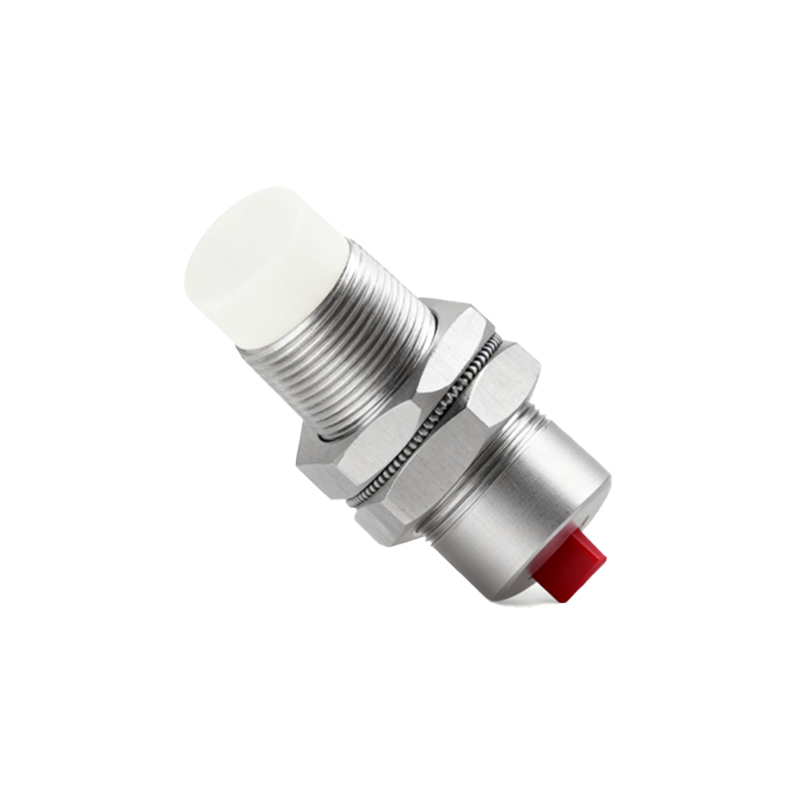
Core Functional Principles and Operation
The primary function of a proximity sensor is to convert information about the presence or absence of a target into an electrical signal. This process involves an oscillator circuit that generates a high-frequency electromagnetic field at the active sensing face. When a target enters this field, it causes a change in the oscillation amplitude or frequency. This change is detected by a threshold circuit, which then triggers a solid-state output switch. The output can be either a digital ON/OFF signal (PNP or NPN) or an analog signal proportional to the distance. Key performance parameters include sensing distance, repeatability, hysteresis, and response frequency. The sensor's housing is typically ruggedized from materials like nickel-plated brass or stainless steel to withstand industrial stresses, ensuring the internal electronics are protected from vibration, moisture, and temperature extremes.
Major Types of Proximity Sensors
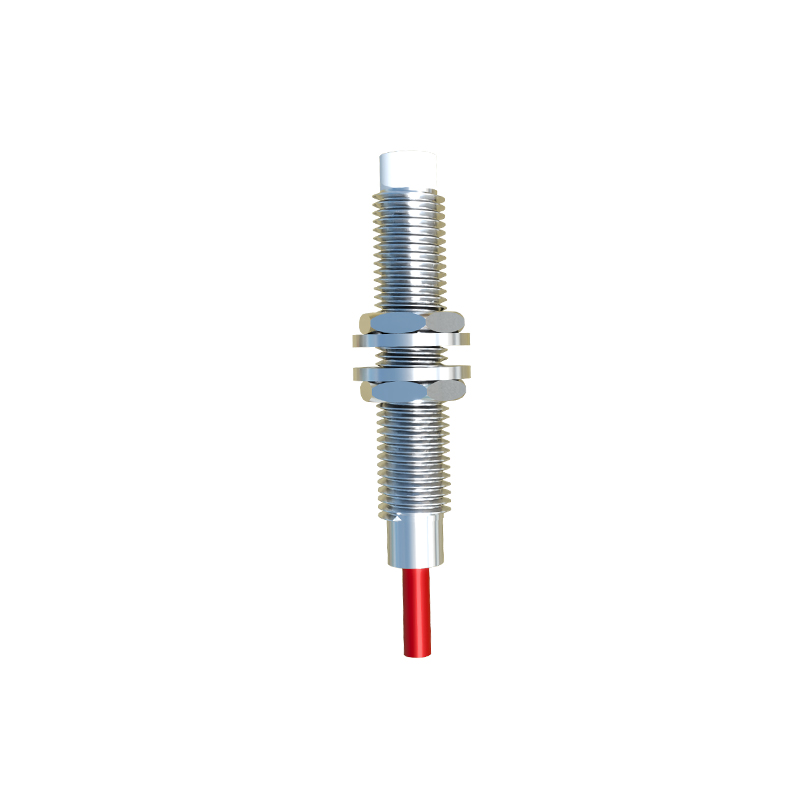
Several technologies dominate the proximity sensor market, each with distinct operating principles and ideal applications. Inductive proximity sensors are the most common type, used exclusively for detecting metallic objects. They generate an oscillating magnetic field and detect eddy current losses induced in the target. Capacitive proximity sensors can detect both metallic and non-metallic materials, such as liquids, plastics, or wood, by sensing changes in capacitance caused by the target entering an electrostatic field. Ultrasonic proximity sensors emit high-frequency sound waves and measure the time for the echo to return, suitable for distance measurement and detecting various materials, including transparent objects. Photoelectric sensors use a light beam (visible, infrared, or laser) and are excellent for long-range detection. Finally, magnetic proximity sensors (reed switches or Hall-effect sensors) detect permanent magnets, often used for cylinder position sensing.
Key Features and Performance Characteristics
When selecting a proximity sensor, engineers evaluate several critical features. The nominal sensing distance, or Sn, is specified for a standard target under ideal conditions. Real-world mounting considerations require flush or non-flush mounting styles. Repeatability defines the sensor's consistency in detecting the same target at the same point. Hysteresis is a built-in differential between the switch-on and switch-off points to prevent output chatter when a target is at the sensing edge. Response frequency indicates how many detection cycles per second the sensor can handle, crucial for high-speed production lines. Environmental ratings, such as IP (Ingress Protection) and NEMA codes, define resistance to dust and water. Additionally, output configuration (e.g., normally open/closed), short-circuit and overload protection, and LED status indicators are vital for system integration and maintenance.
Industrial Applications and Use Cases
The applications for proximity sensors are vast and integral to industrial automation. In manufacturing, they are used for part presence verification on conveyor lines, end-of-travel detection for machine tools, and precise counting of products. In the automotive industry, they monitor robotic arm positions, check for correct part assembly, and control automated welding processes. Packaging machinery relies on them for label detection, fill level control, and cap placement verification. Inductive sensors are fundamental in metalworking for detecting drill bit breakage or monitoring spindle position. Capacitive sensors excel in liquid level control in tanks and detecting plastic granules in hoppers. Their robustness also makes them perfect for harsh environments like material handling, wood processing, and agricultural equipment, where reliability is paramount.
Installation and Troubleshooting Guidelines
Proper installation is key to optimal sensor performance. Engineers must ensure adequate clearance from surrounding metal (to prevent shielding effects) and align the sensor axis correctly with the target's approach direction. Electrical wiring must follow manufacturer specifications, paying close attention to polarity, load current, and cable routing away from power lines to avoid electrical noise interference. Common troubleshooting steps include verifying power supply voltage, checking for accumulated debris on the sensing face, confirming the target material and size are within specifications, and using an oscilloscope to monitor the output signal. Understanding environmental factors like temperature drift and the influence of adjacent sensors is also crucial for maintaining a stable control system.