Introduction to TBG Photoelectric Sensors
TBG photoelectric sensors represent a cornerstone technology in modern industrial automation. These devices operate on the fundamental principle of converting light signals into electrical currents, enabling precise detection, measurement, and positioning of objects without physical contact. The core mechanism involves an emitter, which projects a light beam—often infrared, visible red, or laser—and a receiver that detects changes in this beam's intensity. When an object interrupts or reflects the light beam, the sensor's receiver triggers an output signal. This non-contact operation is critical in environments where contamination, wear, or mechanical damage from physical switches must be avoided. TBG sensors are engineered to deliver high repeatability and long-term stability, making them indispensable for applications ranging from packaging and material handling to assembly line robotics and safety systems. Their ability to function reliably under challenging conditions, such as exposure to dust, moisture, or vibration, underscores their robust design and adaptability.
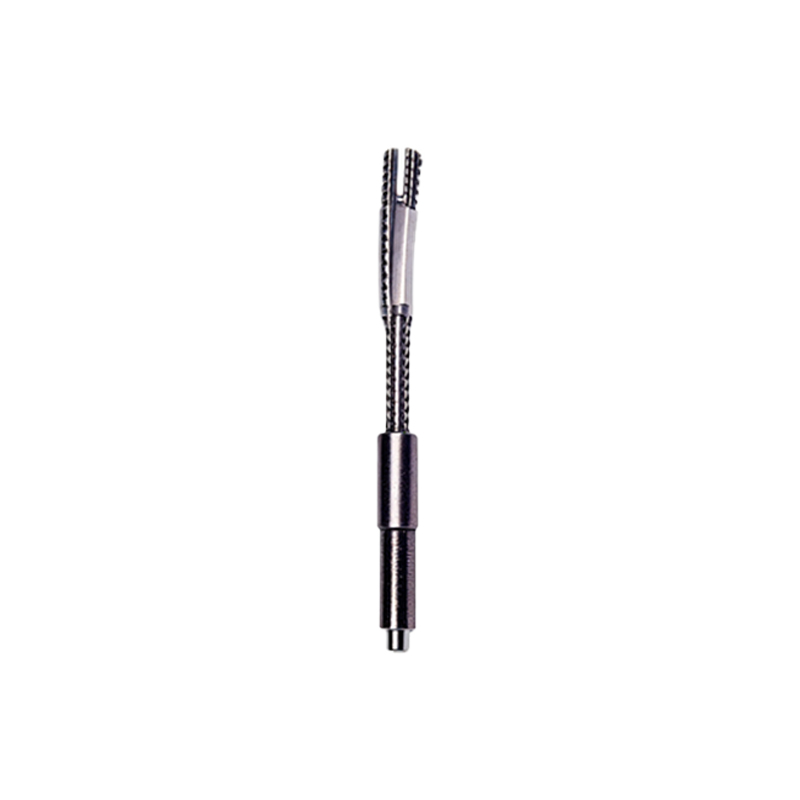
Key Technologies and Operating Modes
The performance of TBG photoelectric sensors is defined by their advanced operating modes and integrated technologies. The primary modes include through-beam, retro-reflective, and diffuse reflective sensing. Through-beam sensors, featuring separate emitter and receiver units, offer the longest sensing ranges and highest immunity to environmental interference, ideal for large-scale or outdoor installations. Retro-reflective models utilize a single housing containing both emitter and receiver, relying on a reflector to bounce the light beam back; they provide a practical balance of range and ease of installation. Diffuse reflective sensors detect objects by measuring the light reflected directly from the target's surface, enabling compact designs suitable for close-range applications. Furthermore, TBG incorporates cutting-edge features like background suppression, which uses triangulation to ignore distant objects, and fiber optic variants for extreme environments. The integration of digital signal processing and programmable logic allows for precise sensitivity adjustment, time-delay functions, and output configuration, enhancing their versatility across diverse industrial tasks.
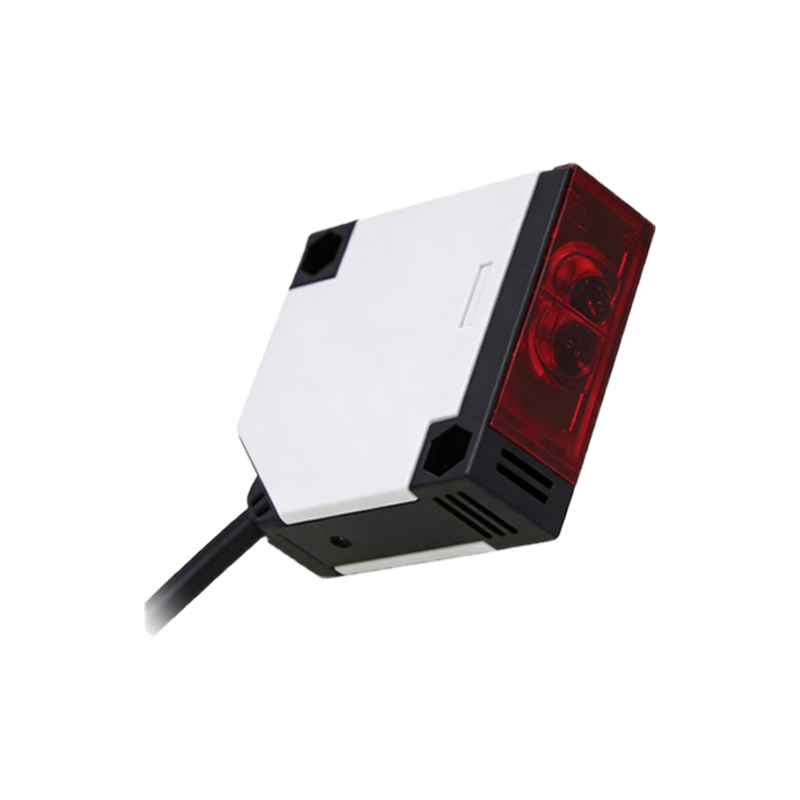
Application Spectrum in Industrial Settings
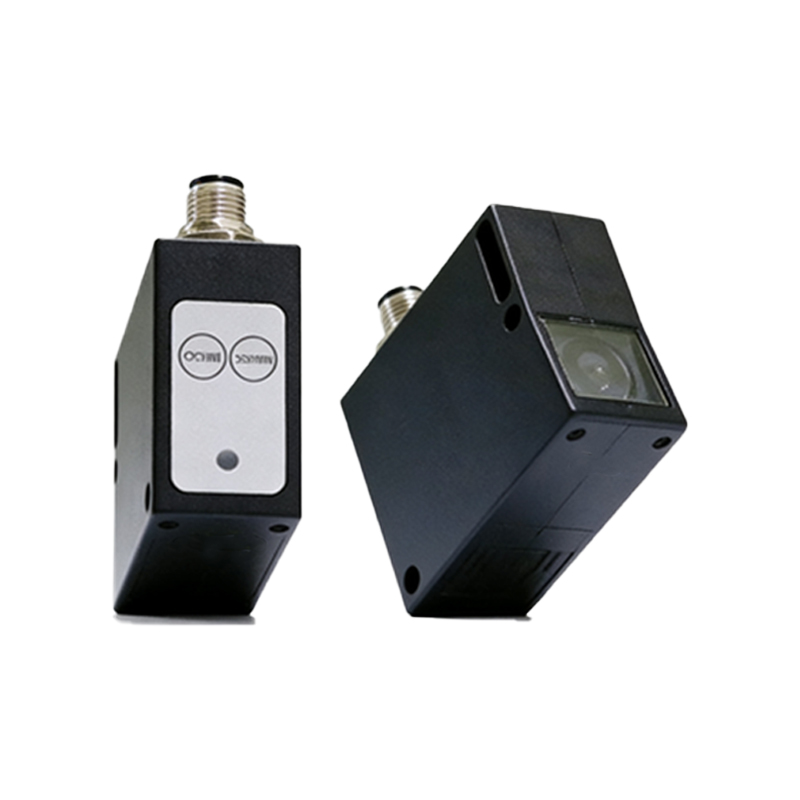
In industrial automation, TBG photoelectric sensors fulfill a wide array of critical functions. On high-speed production lines, they are deployed for precise object counting, bottle cap detection, and label verification, ensuring quality control and process efficiency. In material handling systems, these sensors monitor conveyor belt movements, detect jams, and position pallets, facilitating seamless logistics operations. Robotics heavily relies on TBG sensors for accurate part positioning and gripper coordination, enabling complex assembly tasks with micron-level precision. Safety applications include area guarding on machinery, where sensors create invisible light curtains to halt equipment when an intrusion is detected, protecting personnel from harm. The food and beverage industry benefits from their hygienic, washdown-resistant models, while the automotive sector utilizes them for weld seam tracking and component inspection. This broad applicability stems from their customizable form factors, output types (e.g., NPN, PNP, analog, IO-Link), and environmental ratings like IP67/IP69K.
Advantages Over Alternative Sensing Technologies
Compared to other sensing technologies such as inductive, capacitive, or ultrasonic sensors, TBG photoelectric sensors offer distinct advantages. Their primary benefit is the ability to detect virtually any material—metal, plastic, glass, or liquid—regardless of color or conductivity, provided it affects the light beam. This universality makes them more flexible than inductive sensors, which only sense metals, or capacitive sensors, which can be influenced by environmental humidity. Photoelectric sensors also provide faster response times, often in the microsecond range, crucial for high-speed automation lines. They achieve longer sensing distances, with some TBG laser models reaching over 100 meters, far exceeding the range of ultrasonic alternatives. Additionally, their non-contact nature eliminates mechanical wear, ensuring a longer operational lifespan and reduced maintenance costs. While they may require careful alignment and can be susceptible to extreme ambient light or heavy obscuration, modern TBG designs incorporate filters, modulated light sources, and robust housings to mitigate these challenges effectively.
Selection Criteria and Installation Best Practices
Selecting the appropriate TBG photoelectric sensor requires a systematic evaluation of application parameters. Key factors include the sensing distance, object size and reflectivity, required response speed, environmental conditions (temperature, dust, moisture), and output compatibility with the control system. For instance, a dusty warehouse might necessitate a through-beam sensor with a high-power emitter, while a cleanroom assembly line could use a compact diffuse model. Installation best practices are vital for optimal performance. Ensure precise alignment of through-beam or retro-reflective units to avoid signal loss; use mounting brackets for stability against vibration. Keep lenses clean from debris and avoid positioning sensors where direct sunlight or strong ambient light can interfere. Regularly verify sensitivity settings and perform functional tests during maintenance cycles. Utilizing accessories like alignment tools, protective guards, and fiber optic cables can further enhance reliability. Proper selection and installation not only maximize sensor efficiency but also prevent false triggers and downtime.
Future Trends and Innovations
The future of TBG photoelectric sensors is closely tied to the evolution of Industry 4.0 and smart manufacturing. Emerging trends include the integration of IoT capabilities, where sensors equipped with IO-Link or Ethernet interfaces provide real-time diagnostic data, predictive maintenance alerts, and seamless communication with higher-level control systems. Miniaturization continues, enabling sensors to fit into increasingly compact machinery without sacrificing performance. Advances in laser diode and LED technology are pushing the boundaries of sensing range, accuracy, and energy efficiency. There is also a growing emphasis on multifunctional sensors that combine photoelectric sensing with measurement capabilities, such as distance or contrast detection, in a single device. Furthermore, enhanced resistance to extreme conditions—like higher temperatures or corrosive chemicals—will expand their use in sectors like metallurgy and chemical processing. As artificial intelligence and machine learning become more prevalent, TBG sensors will play a pivotal role in providing the precise, reliable data necessary for autonomous decision-making in fully automated factories.