Introduction to Capacitive Proximity Sensors
Capacitive proximity sensors are versatile electronic devices that detect the presence or absence of objects without physical contact. Operating on the principle of capacitance change, these sensors generate an electrostatic field. When an object enters this field, it alters the capacitance, triggering a response. In photovoltaic (PV) systems, such sensors play a crucial role in monitoring and control, ensuring optimal performance. Their ability to sense through non-conductive materials makes them ideal for various applications in solar energy setups, from panel alignment to maintenance alerts.
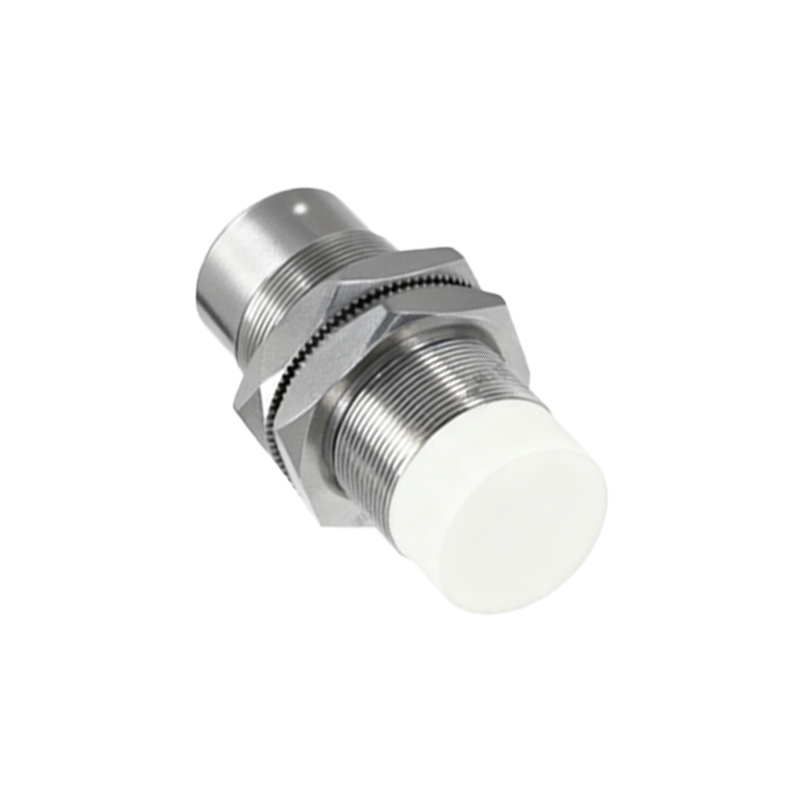
Working Principle and Design
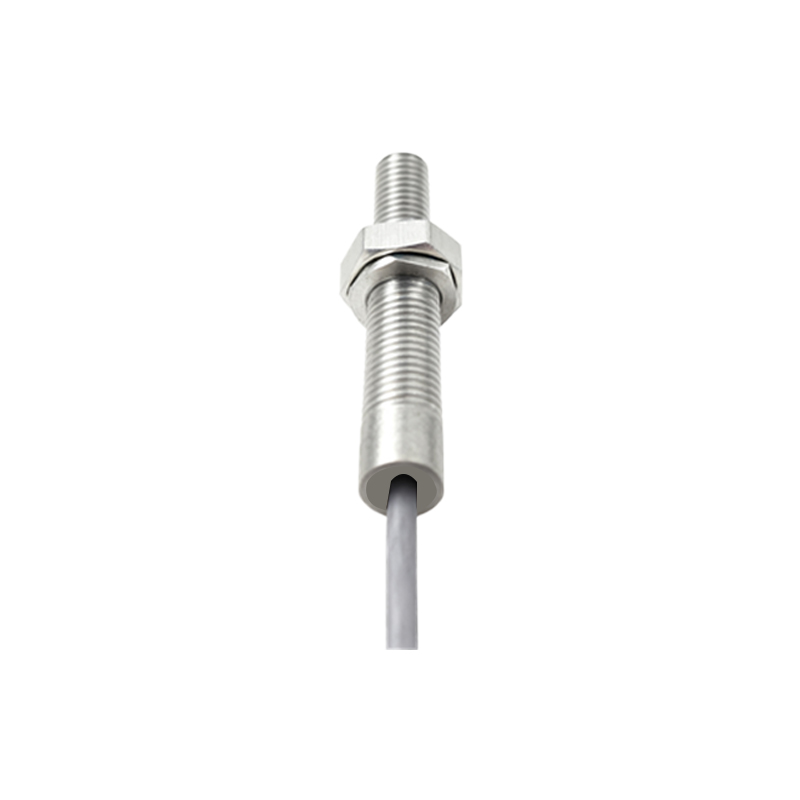
The core mechanism involves an oscillator circuit that creates an electrostatic field around the active surface of the sensor. As a target object approaches, the capacitance increases, causing a change in oscillation amplitude. This shift is detected by a threshold circuit, which then outputs a signal. Capacitive sensors can detect a wide range of materials, including metals, plastics, and liquids, due to their dielectric properties. In PV systems, they are often designed with robust housings to withstand outdoor conditions like temperature fluctuations, humidity, and UV exposure, ensuring long-term reliability.
Applications in Photovoltaic Installations
In solar energy systems, capacitive proximity sensors are employed for multiple critical functions. They monitor the positioning of solar panels, detecting misalignment or obstructions such as debris or snow accumulation. This allows for automated cleaning systems or adjustment mechanisms to maintain peak efficiency. Additionally, these sensors are used in inverter and battery management to detect component presence or faults, preventing downtime. For large-scale solar farms, they facilitate inventory tracking of equipment and enhance safety by monitoring access to restricted areas.
Advantages Over Other Sensor Types
Compared to inductive or optical sensors, capacitive proximity sensors offer distinct benefits in PV contexts. They are not limited to metallic targets, enabling detection of non-conductive materials like glass or composite panels common in solar arrays. Their insensitivity to color and transparency makes them reliable in varying light conditions, unlike optical sensors that may struggle with glare or shadows. Moreover, capacitive sensors provide consistent performance in dusty or wet environments, which are typical in outdoor solar installations, reducing maintenance needs and improving system uptime.
Integration with Smart Grids and IoT
Modern PV systems increasingly integrate with smart grids and Internet of Things (IoT) platforms. Capacitive proximity sensors contribute by providing real-time data on equipment status and environmental factors. For instance, they can signal when panels require cleaning or when hardware components are dislodged. This data is transmitted to central control systems via wireless networks, enabling predictive maintenance and energy optimization. By leveraging such sensors, operators can reduce operational costs and enhance grid stability, supporting the transition to renewable energy sources.
Challenges and Solutions
Despite their advantages, capacitive sensors face challenges in PV applications. False triggers from moisture or nearby objects can occur, but these are mitigated through advanced shielding and calibration techniques. Design improvements, such as adjustable sensitivity settings and temperature compensation, enhance accuracy. Regular calibration and use of high-quality materials also extend sensor lifespan. Industry standards, like IEC 60947-5-2, guide implementation to ensure compatibility and safety in electrical environments, fostering wider adoption in solar projects.
Future Trends and Innovations
The future of capacitive proximity sensors in photovoltaics looks promising with ongoing innovations. Miniaturization and energy-efficient designs are making sensors more compact and suitable for portable solar devices. Advances in materials science are improving durability against harsh weather. Furthermore, integration with artificial intelligence allows for smarter fault detection and adaptive responses. As solar technology evolves, these sensors will likely become integral to autonomous systems, boosting efficiency and supporting global sustainability goals.