Understanding Proximity Switch Sensor Costs
The pricing of proximity switch sensors is a common inquiry for engineers, procurement specialists, and maintenance managers across various industries. Unlike standardized commodity items, the cost of these critical components varies significantly based on a complex interplay of technical specifications, application requirements, and market dynamics. A basic, inductive proximity sensor for a simple metal detection task might start at a relatively low price point, while a specialized, high-performance capacitive or ultrasonic sensor for a demanding environment can command a premium that is several times higher. This guide delves into the primary factors influencing these costs to provide a clear framework for budgeting and procurement decisions.
Key Factors Influencing Sensor Pricing
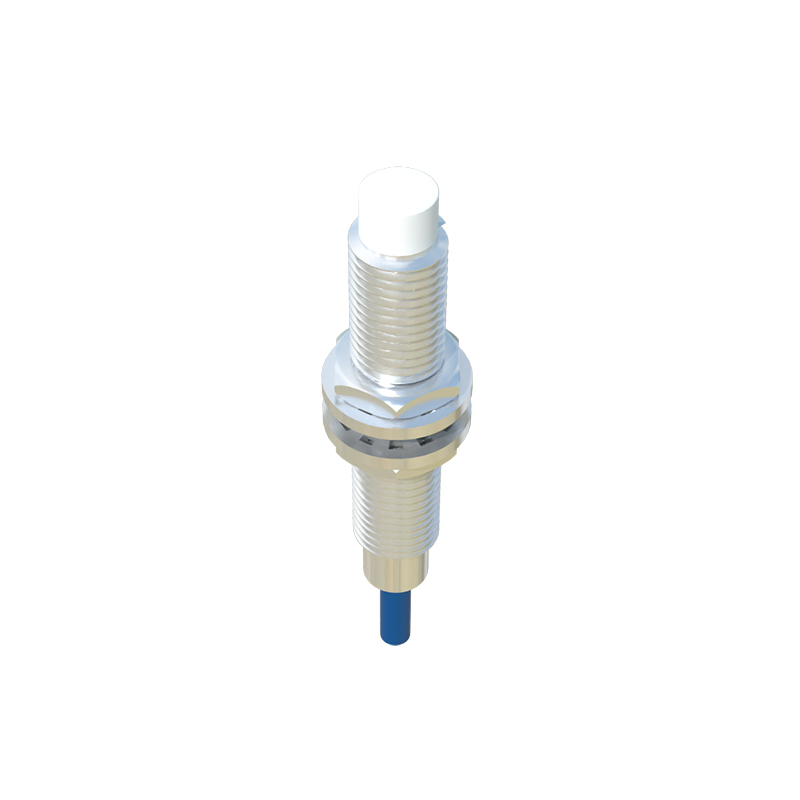
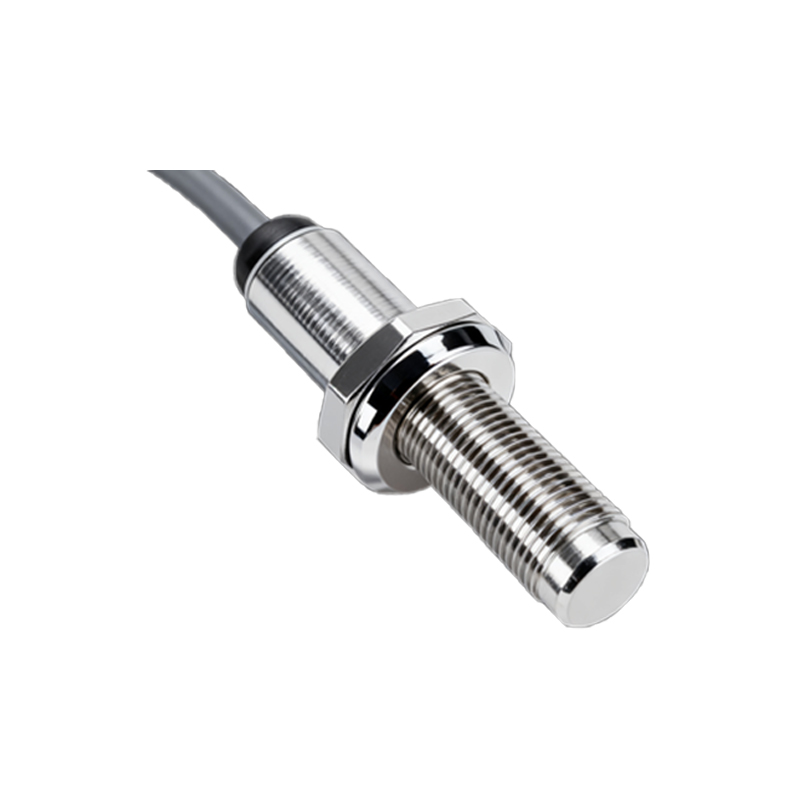
Several core elements directly determine the final price of a proximity sensor. First and foremost is the sensing technology. Inductive sensors, designed for detecting metallic objects, are generally the most cost-effective. Capacitive sensors, capable of detecting both metallic and non-metallic materials, typically come at a higher price. Ultrasonic and photoelectric sensors, offering longer ranges and different detection capabilities, often represent the higher end of the price spectrum. Secondly, the performance specifications are crucial. Factors such as sensing range, switching frequency, repeat accuracy, and housing material (e.g., stainless steel vs. plastic) significantly impact cost. A sensor with a 15mm range will cost less than an identical-technology sensor with a 40mm range. Similarly, sensors rated for extreme temperatures, high pressure washdowns (IP69K), or corrosive environments are inherently more expensive due to specialized materials and sealing processes.
Industry Standards and Certification Costs
Compliance with industry standards and certifications is a major cost driver. Sensors intended for use in potentially explosive atmospheres (ATEX, IECEx) undergo rigorous testing and require specific design features, substantially increasing their price. Similarly, sensors certified for use in safety-critical applications (e.g., SIL2/3 according to IEC 61508) involve additional development, documentation, and validation costs. Other common certifications like UL, CSA, or CE marking also contribute to the base cost, though to a lesser extent. For standard industrial applications without hazardous area or functional safety requirements, opting for non-certified or broadly CE-marked sensors can yield significant savings, provided they meet the application's operational needs.
Quantity, Brand, and Supply Chain Considerations
The principle of economies of scale applies strongly to sensor procurement. Unit prices drop considerably when purchasing in bulk, such as for a new production line or a plant-wide standardization project. Conversely, buying single units or small batches will always carry a higher per-unit cost. Brand reputation and origin also play a role. Established global brands from Europe, North America, or Japan often command premium prices based on perceived reliability, extensive R&D, and global support networks. Compatible or generic brands, particularly from other manufacturing regions, can offer similar specifications at a lower price point, though potential trade-offs in long-term reliability or technical support should be evaluated. Finally, supply chain factors like lead times, regional availability, and distributor markups influence the final landed cost.
Typical Price Ranges and Application Examples
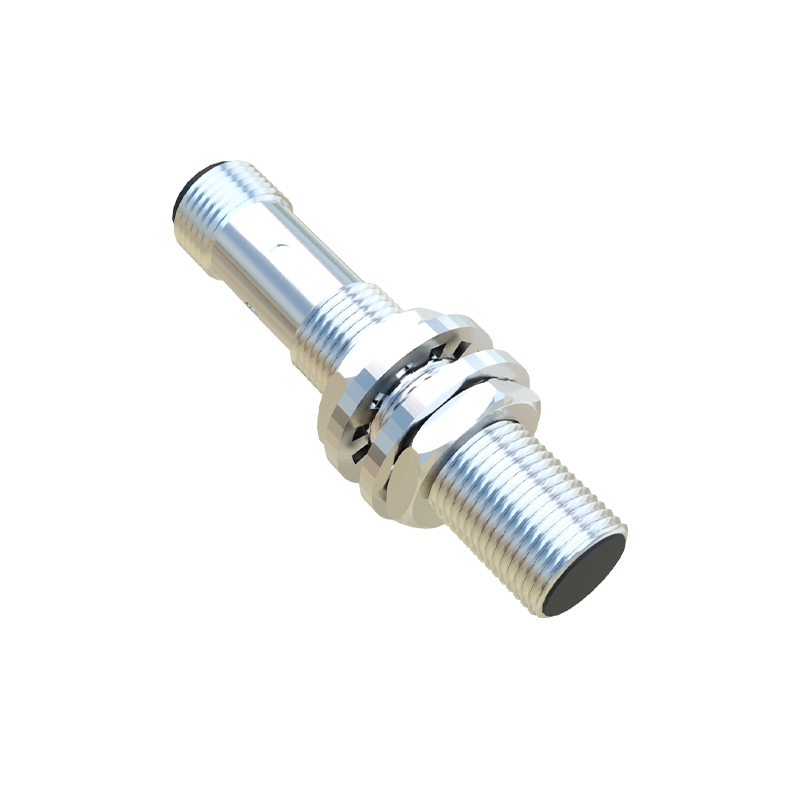
While exact prices are fluid, general ranges can be outlined. A standard, cylindrical inductive sensor (M12 or M18) with a 5-10mm range and a PNP output might fall into a low to moderate cost bracket. A rectangular, long-range inductive sensor or a standard capacitive sensor would typically occupy a moderate price point. High-end sensors, such as analog-output models, ultrasonic sensors with background suppression, or specialized models for weld-field immunity, reside in the higher price category. For example, a simple inductive limit switch for a conveyor might represent a minimal cost component, whereas a precision analog inductive sensor controlling a robotic gripper's position would be a more significant investment. Always request formal quotations from multiple suppliers for accurate project budgeting.
Total Cost of Ownership vs. Initial Purchase Price
A critical concept for engineers is the Total Cost of Ownership (TCO). The initial purchase price is just one component. A slightly more expensive sensor from a reputable brand with a longer mean time between failures (MTBF) can prevent costly unplanned downtime, production losses, and emergency replacement expenses. Factors like ease of installation, availability of mounting accessories, clarity of documentation, and the quality of technical support all contribute to the long-term TCO. Investing in the right sensor for the application, even at a higher upfront cost, often proves more economical over the sensor's operational lifecycle by ensuring reliability and minimizing maintenance interventions.