Introduction to Explosion-Proof Proximity Sensors
In industrial environments where flammable gases, vapors, or combustible dusts are present, standard electronic sensors pose a significant ignition risk. Explosion-proof cylindrical proximity switches are engineered specifically for these hazardous locations. These robust devices are designed to contain any potential spark or thermal effect generated internally, preventing it from igniting the surrounding explosive atmosphere. Unlike simply sealing a sensor, true explosion-proof construction involves rugged housings, often made of stainless steel or brass, that can withstand an internal explosion and cool escaping gases below the ignition temperature of the external environment. Their cylindrical form factor allows for easy installation in standard mounting holes, making them a versatile solution for monitoring position, presence, or absence of metallic objects in zones classified under systems like ATEX, IECEx, or NEC.
Key Design Principles and Certifications
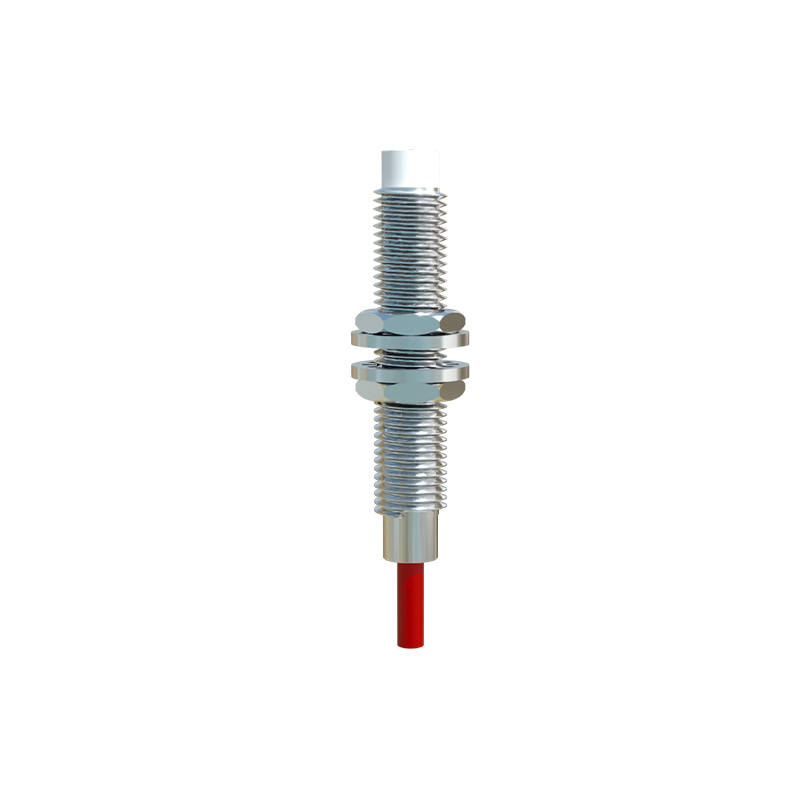
The core design principle hinges on the concept of flame-path cooling. The housing of an explosion-proof proximity sensor features precisely machined threads or flanged joints. In the event of an internal ignition, the escaping hot gases are forced through these narrow, elongated paths. This process significantly cools the gases before they exit the enclosure, rendering them incapable of igniting the external hazardous atmosphere. Critical to their deployment are international certifications. Common standards include ATEX (for Europe), IECEx (international), and Class/Division systems (North America). A typical marking might be "Ex d IIC T6," indicating a flameproof enclosure ("d") suitable for Group IIC gases (like hydrogen) with a maximum surface temperature of 85°C (T6). Engineers must meticulously match the sensor's certification to the specific zone (e.g., Zone 1, Zone 21) and gas group of the installation site.
Inductive Sensing Technology in Hazardous Areas
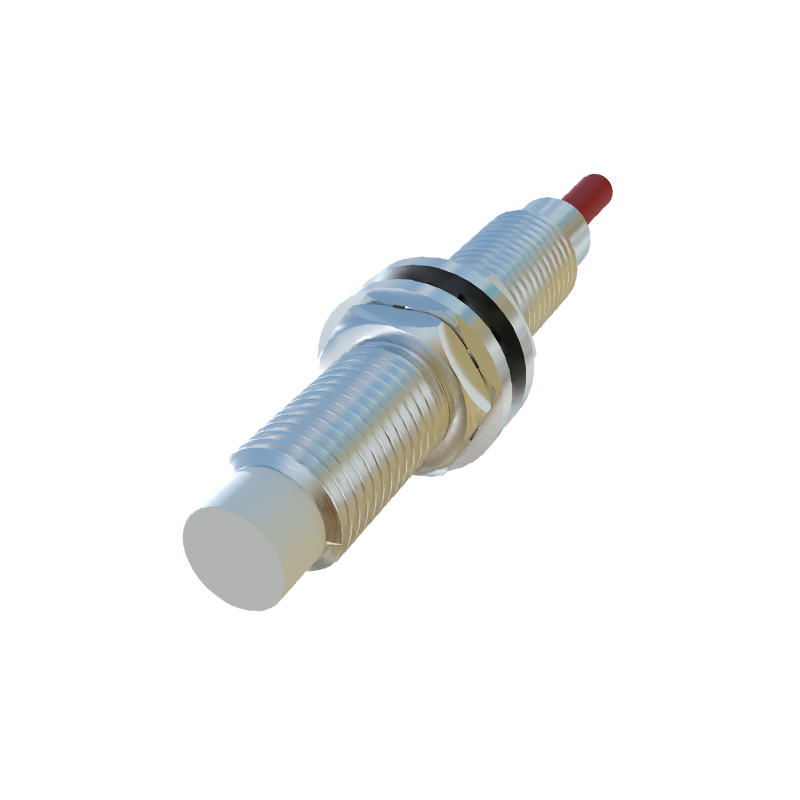
Most explosion-proof cylindrical proximity switches utilize inductive sensing technology. They generate an oscillating electromagnetic field from a coil within the sensor's face. When a ferrous or non-ferrous metal target enters this field, eddy currents are induced, damping the oscillation and triggering a solid-state switching output. The explosion-proof housing encapsulates all active electronic components. These sensors are inherently immune to environmental contaminants like oil, dust, and moisture, further enhancing reliability. Key performance specifications include sensing distance, which is typically shorter than equivalent non-hazardous area sensors due to the thicker housing wall, and factors like repeat accuracy and switching frequency, which remain crucial for precise automation tasks in chemical plants, oil refineries, or grain elevators.
Material Selection and Environmental Durability
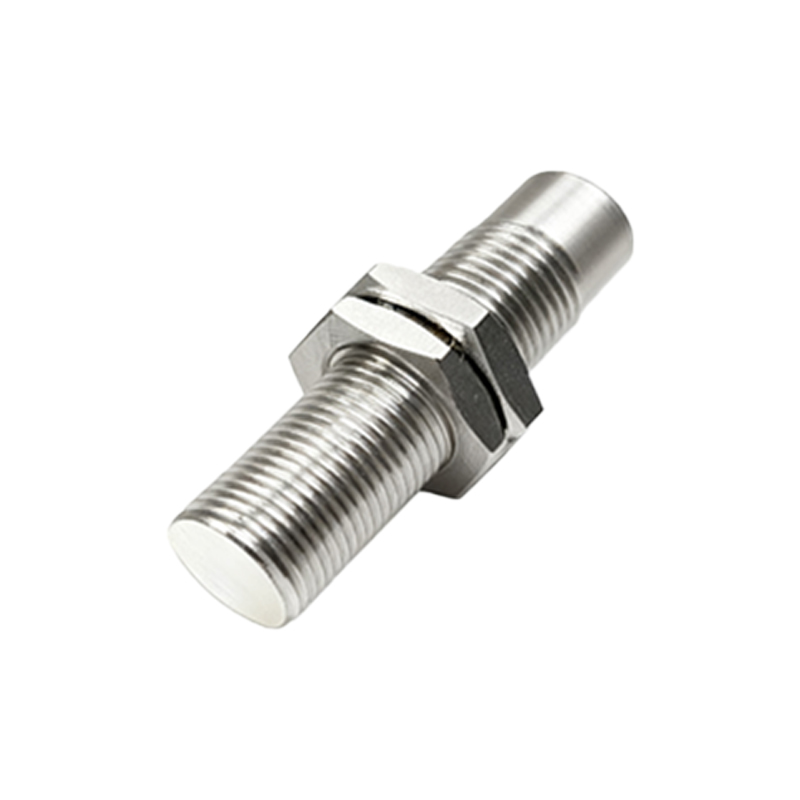
Material choice is paramount for both safety and longevity. Enclosures are commonly manufactured from corrosion-resistant materials such as 316L stainless steel or nickel-plated brass. These materials provide the necessary strength to contain an explosion and resist degradation from harsh chemicals, saltwater, or extreme temperatures. The sensing face is often made of a specialized, wear-resistant polymer like PEEK or PTFE that allows the electromagnetic field to pass through while protecting the coil. Many models also feature high IP (Ingress Protection) ratings, such as IP67 or IP69K, ensuring they remain operational despite direct water jets, high-pressure washdowns, or immersion, which are common in pharmaceutical or food and beverage applications within hazardous zones.
Wiring, Installation, and Intrinsic Safety Considerations
Proper installation is critical to maintaining the explosion-proof integrity. Conduit entries or cable glands used must also carry the appropriate explosion-proof certification to form a complete protected system. Wiring practices must adhere to strict national and international electrical codes for hazardous areas. An important related concept is Intrinsic Safety (IS), often marked as "Ex i." While explosion-proof (Ex d) sensors contain an explosion, IS designs prevent one by limiting the electrical energy in the circuit to a level below what is needed to ignite a spark. Sometimes, explosion-proof housings are combined with IS barriers for layered protection. Correct grounding and the use of certified junction boxes are non-negotiable steps during installation to prevent static discharge or fault currents from compromising safety.
Application Examples Across Critical Industries
These sensors find critical roles in numerous high-risk industries. In oil and gas, they monitor valve positions on offshore platforms or in refineries. In chemical processing plants, they detect the position of agitators in reactors or the level of flammable liquids in tanks. In mining (especially where combustible dust is present), they are used on conveyor systems to monitor belt alignment or chute blockages. In pharmaceutical manufacturing, they ensure precise filling and capping machine operations where alcohol-based solvents are used. Their reliability in providing non-contact detection eliminates mechanical wear and reduces maintenance interventions in areas where access is difficult or dangerous