Introduction to Photoelectric Sensor D-Mode
Photoelectric sensors are widely utilized in industrial automation for detecting the presence, absence, or distance of objects without physical contact. Among various operational modes, the D-Mode, or Dark-ON mode, represents a fundamental configuration. In D-Mode, the sensor's output is activated or switched ON when the received light intensity falls below a predetermined threshold, meaning the sensor is in a "dark" state. This mode contrasts with L-Mode (Light-ON), where the output activates upon sufficient light reception. Understanding D-Mode is crucial for designing reliable sensing solutions in environments where object detection is based on light interruption, such as in conveyor systems, packaging machinery, and safety curtains. The principle relies on a transmitter emitting a light beam (often infrared, visible red, or laser) and a receiver that monitors the incoming light. When an object obstructs the beam, the receiver enters a dark state, triggering the output signal.
Working Principle and Circuit Configuration
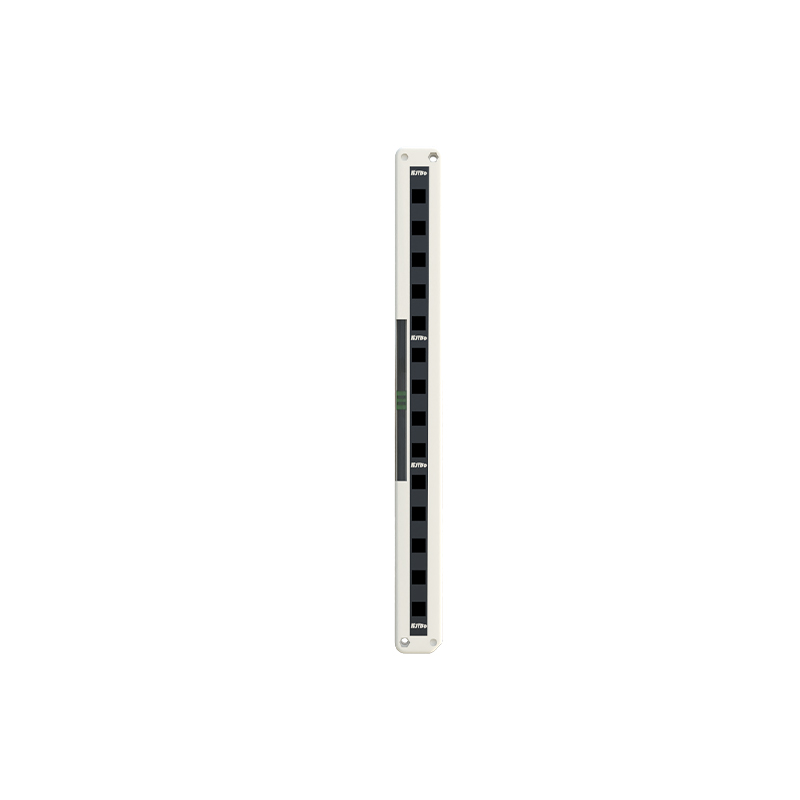
The core operation of a photoelectric sensor in D-Mode involves a phototransistor or photodiode in the receiver circuit. Under normal, uninterrupted conditions, the light beam from the transmitter continuously strikes the receiver, generating a photocurrent. This current keeps the output circuit in an inactive state (typically OFF for D-Mode). When an object interrupts the beam, the photocurrent drops significantly, causing the internal comparator circuit to switch the output transistor ON. This change in output state—from OFF to ON—can drive a load, such as a relay, PLC input, or indicator. The circuitry often includes hysteresis to prevent output chattering near the threshold due to ambient light fluctuations or partial obstructions. Manufacturers design these sensors with adjustable sensitivity potentiometers or teach-in functions to set the precise trigger point, ensuring stability in varied lighting conditions. Key components like modulated LED pulses and synchronous detection circuits are employed to enhance immunity to ambient light interference, making D-Mode sensors robust for industrial settings.
Advantages of D-Mode in Industrial Applications
D-Mode operation offers several distinct advantages that make it preferable in specific scenarios. Firstly, it provides inherent fail-safe detection for beam-break applications. If the sensor's light source fails, the cable breaks, or the receiver becomes heavily dirty, the system defaults to a dark state, triggering the output. This characteristic is vital for safety-critical systems, such as machine guarding, where a fault must lead to a safe shutdown. Secondly, D-Mode is highly effective in detecting opaque or highly reflective objects that completely block the light beam, ensuring consistent and reliable triggering. Additionally, in environments with high ambient light, D-Mode sensors with modulated light sources can distinguish between the signal and noise more effectively when the beam is blocked, reducing false triggers. This mode also simplifies wiring and logic programming in control systems, as the active-HIGH output upon obstruction aligns intuitively with many PLC input card configurations.
Common Applications and Installation Considerations
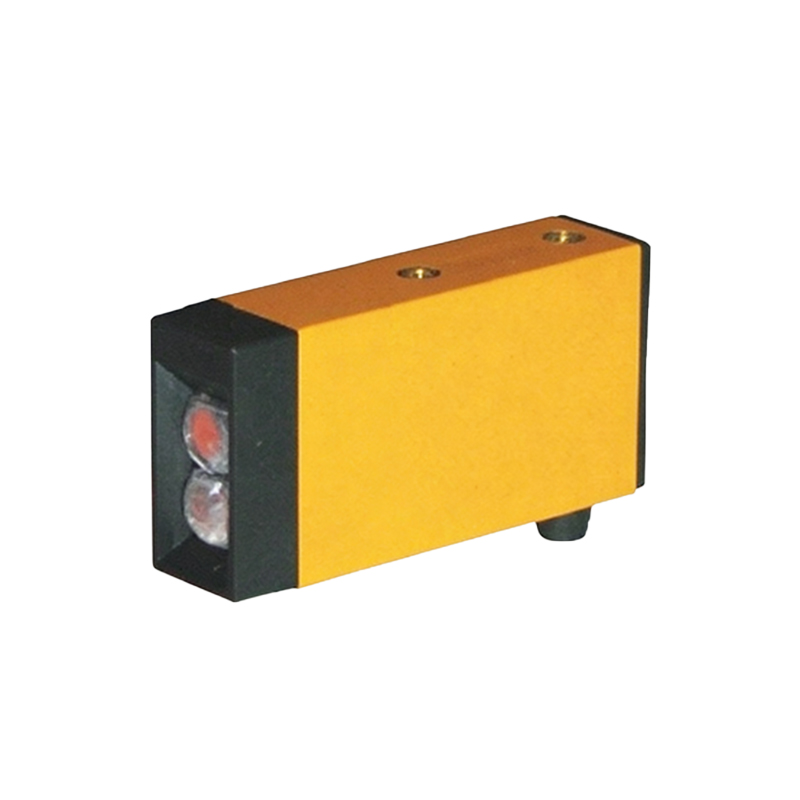
Photoelectric sensors operating in D-Mode are deployed across numerous industries. Typical applications include object counting on production lines, where items passing between the transmitter and receiver break the beam, registering a count. They are also used in jam detection in material handling systems; if the beam remains broken beyond a set time, it signals a jam. In packaging machinery, D-Mode sensors verify the presence of a product in a carton before sealing. Safety light curtains, which protect hazardous areas, often use D-Mode logic—any interruption of the light grid immediately stops the machinery. When installing D-Mode sensors, several factors must be considered: alignment of transmitter and receiver is critical for reliable operation, and mounting should minimize vibration that could misalign beams. Environmental conditions like dust, fog, or steam can scatter light, potentially causing false dark states; thus, selecting sensors with appropriate IP ratings and using beam apertures or filters is advisable. Regular maintenance to clean lenses and check for alignment drift ensures long-term accuracy.
Comparison with L-Mode and Selection Guidelines
Choosing between D-Mode and L-Mode depends on the application's requirements. In L-Mode, the output activates when light is received, which is suitable for reflective applications where the object reflects light back to the receiver. Conversely, D-Mode is ideal for through-beam or retro-reflective setups where detection is based on beam interruption. For instance, in transparent bottle detection, an L-Mode sensor might fail if the bottle allows some light to pass, whereas a D-Mode sensor could be set to trigger only when sufficient light is blocked. System designers must also consider the logic of the control system; a D-Mode output that is normally open (NO) under light and closes under dark might interface differently with controllers than an L-Mode sensor. Key selection parameters include sensing distance, response time, light source type, output type (PNP/NPN), and environmental durability. Consulting sensor datasheets and application notes from manufacturers helps in matching the correct mode to the operational needs, ensuring optimal performance and reliability.
Future Trends and Technological Developments
The evolution of photoelectric sensors continues to enhance D-Mode functionality. Advances in LED technology provide brighter, more focused light sources, enabling longer sensing distances and better energy efficiency. Integrated microprocessors and smart sensors with IO-Link communication allow for dynamic mode switching, where a sensor can be configured remotely as D-Mode or L-Mode based on real-time requirements. Enhanced algorithms for background suppression and digital filtering improve discrimination against ambient light, making D-Mode sensors more stable in challenging environments. Furthermore, miniaturization trends lead to smaller sensor designs that fit into tight spaces without compromising performance. As Industry 4.0 and IoT integration progress, D-Mode sensors will increasingly feature diagnostic capabilities, reporting beam strength, contamination levels, and operating hours to predictive maintenance systems. These developments ensure that D-Mode photoelectric sensors remain a cornerstone of industrial automation, offering reliable, safe, and adaptable object detection solutions.