Introduction to SN04N Proximity Sensor
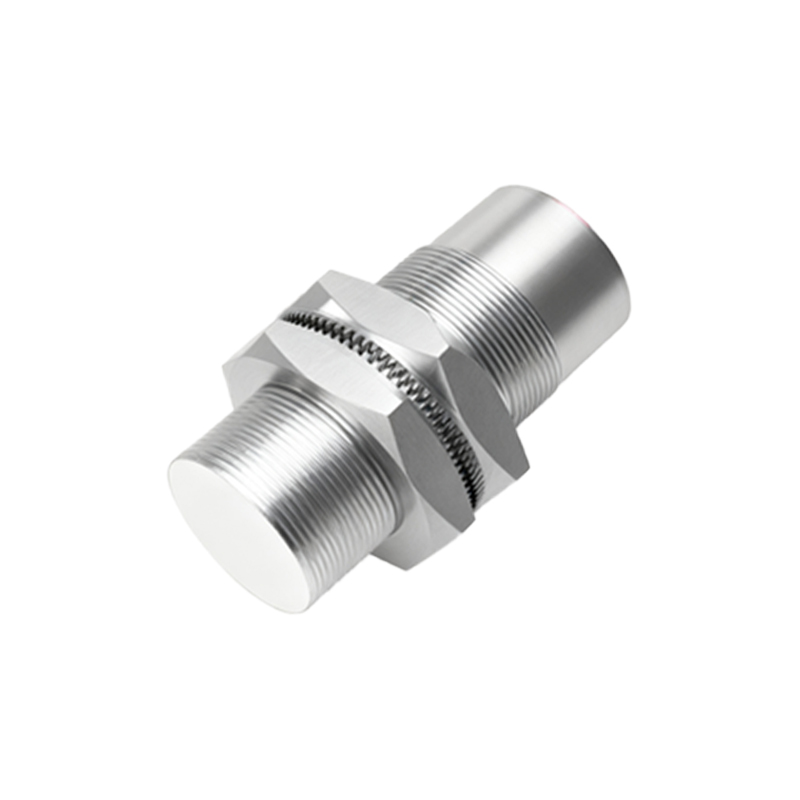
The SN04N represents a fundamental component in the realm of industrial automation, specifically as a diffuse-reflective photoelectric proximity sensor. This compact device operates on the principle of emitting a beam of infrared light and detecting the portion reflected directly from a target object. Unlike through-beam or retro-reflective sensors, the SN04N houses both the emitter and receiver in a single unit, simplifying installation and alignment. Its primary function is to detect the presence or absence of an object within its specified sensing range without physical contact, making it invaluable for counting, positioning, and limit detection tasks across various manufacturing and packaging lines. The "N" in its designation often refers to its NPN transistor output configuration, a common standard in sensor technology.
Key Technical Specifications and Operating Principles
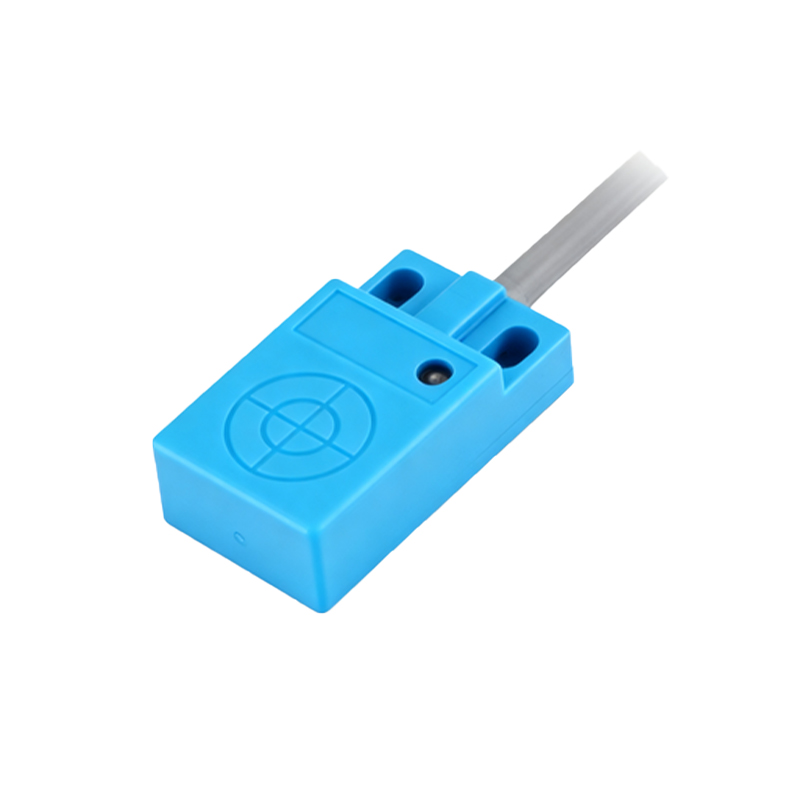
The operational core of the SN04N sensor involves a modulated infrared LED light source and a phototransistor receiver. The internal circuitry modulates the emitted light at a high frequency, allowing the sensor to distinguish its own signal from ambient light, thereby enhancing stability and noise immunity. Typical sensing distance for such diffuse sensors is up to 4 meters, though the effective range for the SN04N is often shorter, commonly around 10-80 cm depending on the target's size, color, and reflectivity. Light-colored, reflective objects are detected at greater distances than dark, absorptive ones. Key electrical specifications include a supply voltage range, usually 6-36V DC, and an NPN open-collector output. This output sinks current to ground when an object is detected, compatible with standard programmable logic controller (PLC) input modules.
Electrical Characteristics and Wiring Configuration
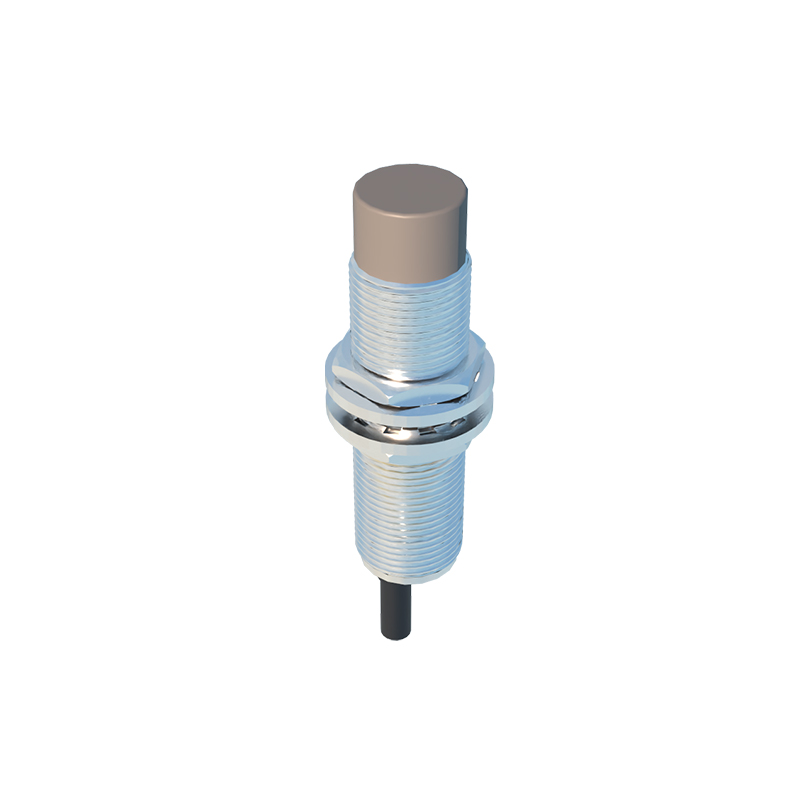
Correct wiring is critical for reliable operation. The SN04N typically features three wires: brown (V+), blue (V- or ground), and black (output signal). The NPN output means the black wire acts as a switched negative connection. When the sensor detects an object, it connects the black output wire internally to the blue (ground) wire. An external load (like a PLC input) is connected between the brown (positive) wire and the black wire. A stable DC power supply within the specified range is essential. Engineers must ensure proper grounding and shielding in electrically noisy environments to prevent false triggering. Many models include a potentiometer for sensitivity adjustment, allowing fine-tuning of the sensing distance to suit specific application requirements and object characteristics.
Environmental Considerations and Installation Best Practices
The performance of the SN04N sensor can be significantly influenced by its operating environment. Factors such as dust, steam, oil mist, and intense ambient light can interfere with the light beam. While the modulation technology offers some protection, installing the sensor in a relatively clean area or using models with built-in environmental resistance is advisable for harsh conditions. The sensing axis should be perpendicular to the target's surface for optimal reflection. It is also crucial to avoid mounting the sensor opposite highly reflective backgrounds, as this may cause false detection. Maintaining a stable temperature within the sensor's rated operating range ensures consistent performance and longevity.
Common Industrial Applications and Use Cases
The versatility of the SN04N sensor lends itself to a wide array of automation applications. In conveyor systems, it is frequently used for object counting, jam detection, and verifying the presence of items at specific stations. Within packaging machinery, it detects whether a box is in position for filling or sealing. It can also serve as a non-contact limit switch in robotic arms or automated guided vehicles (AGVs). Another common use is in material handling to detect the level of bulk materials or the presence of objects on a pallet. Its reliability, simple interface, and cost-effectiveness make it a default choice for many basic detection tasks where physical contact is undesirable or impractical.
Troubleshooting and Maintenance Guidelines
Systematic troubleshooting is key when an SN04N sensor malfunctions. First, verify the power supply voltage and polarity at the sensor terminals. Next, check the output state using a multimeter or PLC diagnostic tools to see if it changes when an object is presented. If the sensor does not respond, inspect the lens for dirt or damage and clean it carefully. Adjusting the sensitivity potentiometer can sometimes restore function if the sensing range has drifted. Ensure that the target object is within the specified range and is sufficiently reflective. Persistent issues may indicate electrical noise interference, requiring improved shielding or the addition of a snubber circuit across the load. Regular preventive maintenance, including lens cleaning and connection checks, minimizes unexpected downtime.
Comparison with Other Sensor Types
While the SN04N is a workhorse for general proximity detection, understanding its limitations compared to other technologies is important for optimal system design