Understanding Proximity Sensor 13 and Its Core Functionality
Proximity Sensor 13, often referenced in technical datasheets and industrial part catalogs, is not a single, universally defined model. The designation "13" typically refers to a specific model number, series, or output configuration within a manufacturer's lineup. Therefore, the question of its usability is intrinsically linked to its specifications and the intended application. Generally, a sensor labeled as such is an electronic device designed to detect the presence or absence of a target object without physical contact. It operates by emitting an electromagnetic field or a beam of electromagnetic radiation and looking for changes in the field or return signal. The key parameters determining its usability include sensing distance, output type (e.g., NPN, PNP, NO, NC), housing material, supply voltage, and environmental ratings like IP (Ingress Protection) class.
Critical Factors Determining Usability in Industrial Settings
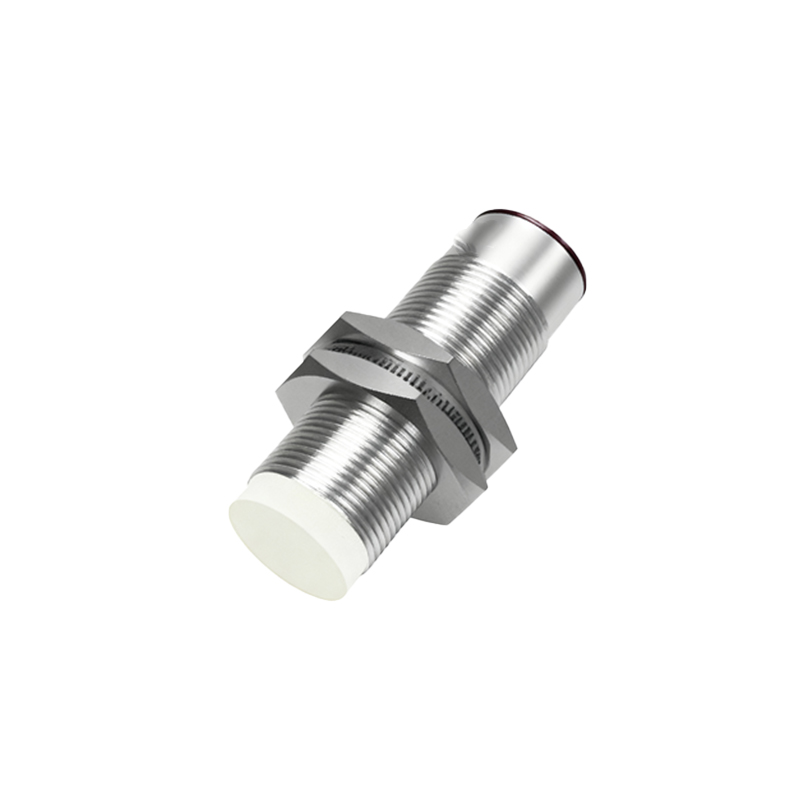
The straightforward answer is yes, Proximity Sensor 13 is usable, but its suitability is conditional. The first critical factor is the sensing technology. Is it an inductive, capacitive, ultrasonic, or photoelectric sensor? An inductive "Sensor 13" is ideal for detecting metals, while a capacitive variant can sense non-metals. The second factor is the rated sensing distance. This must be chosen with a safety margin, typically 70-80% of the catalog value, to account for temperature fluctuations, voltage variations, and target material composition. Thirdly, the electrical output must be compatible with the control system's input card (PLC, relay). A 24V DC PNP sensor cannot directly interface with an NPN input module without proper circuitry.
Analyzing Environmental and Mechanical Compatibility
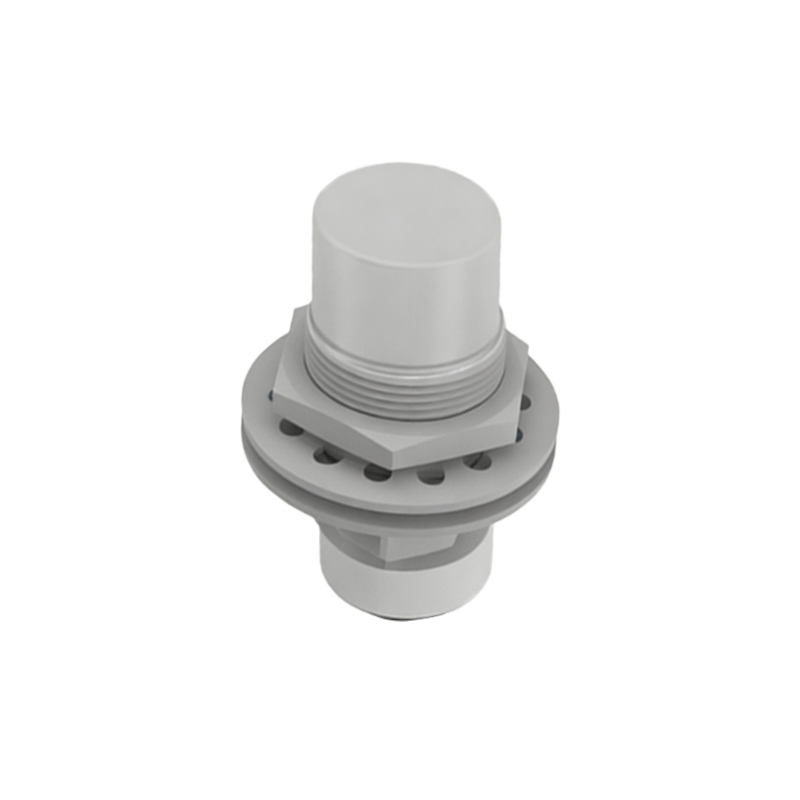
Beyond electrical specs, the operational environment dictates usability. A sensor with an IP67 rating is protected against dust ingress and temporary immersion, making it suitable for washdown areas in food processing. In high-vibration environments, a sensor with a robust, all-metal housing (e.g., stainless steel) is preferable to plastic. Temperature range is another non-negotiable check; a standard sensor rated for -25°C to 70°C will fail in a foundry or freezer application. Furthermore, the mechanical design, including thread size (e.g., M8, M12, M18) and form factor (barrel, rectangular), must allow for proper mounting in the available space.
Interpreting Output Signals and Wiring Configurations
The "13" in some coding systems can denote a specific output configuration. A common interpretation is a 3-wire DC sensor with a normally open (NO) output. However, this is not a standard. The user must consult the exact datasheet. Correct wiring is paramount for usability. For a 3-wire DC sensor: the brown wire connects to the positive supply, the blue wire to the negative, and the black wire is the switched output signal. Incorrect polarity can damage the sensor. For AC sensors or 4-20mA analog versions, the wiring diagrams differ significantly. Ensuring the load current of the connected device does not exceed the sensor's switching capacity is also essential to prevent premature failure.
Application-Specific Considerations and Troubleshooting
Usability is proven in the field. For positioning control on an automated assembly line, a high-precision inductive Sensor 13 with a repeatability of 0.01mm might be required. For liquid level detection in a plastic tank, a capacitive Sensor 13 would be the choice. Common reasons for a sensor being "unusable" often stem from incorrect installation: sensing the wrong target material, mounting multiple sensors too close together causing mutual interference, or failing to account for the hysteresis effect. Troubleshooting should always start with verifying power supply, checking the LED indicator status, and using a multimeter to confirm the output switching action in response to a target.
Conclusion: Verification Through Datasheet and Testing
In conclusion, Proximity Sensor 13 is undoubtedly usable, but its successful deployment hinges on diligent technical evaluation. There is no substitute for obtaining and thoroughly reviewing the manufacturer's official datasheet for the specific part number. This document holds the definitive answers on all parameters. Finally, bench testing the sensor under conditions that simulate the actual application is a highly recommended best practice. This validates all theoretical compatibility checks and ensures reliable, long-term operation within the intended control system, confirming true usability beyond part number designation.