Introduction to Tyco Photoelectric Sensors
Tyco Electronics, now operating under the TE Connectivity brand, has long been a prominent name in the industrial automation and sensing technology sector. Their range of photoelectric sensors is renowned for reliability, precision, and durability in demanding environments. These sensors, which detect the presence, absence, or distance of an object using a light transmitter and receiver, are critical components in manufacturing, packaging, material handling, and safety systems. The performance and brand reputation of Tyco sensors naturally lead to inquiries about their market pricing. Understanding the cost structure requires a look beyond a simple price tag and into the technological specifications, product families, and market dynamics that define their value proposition.
Key Factors Influencing Sensor Pricing
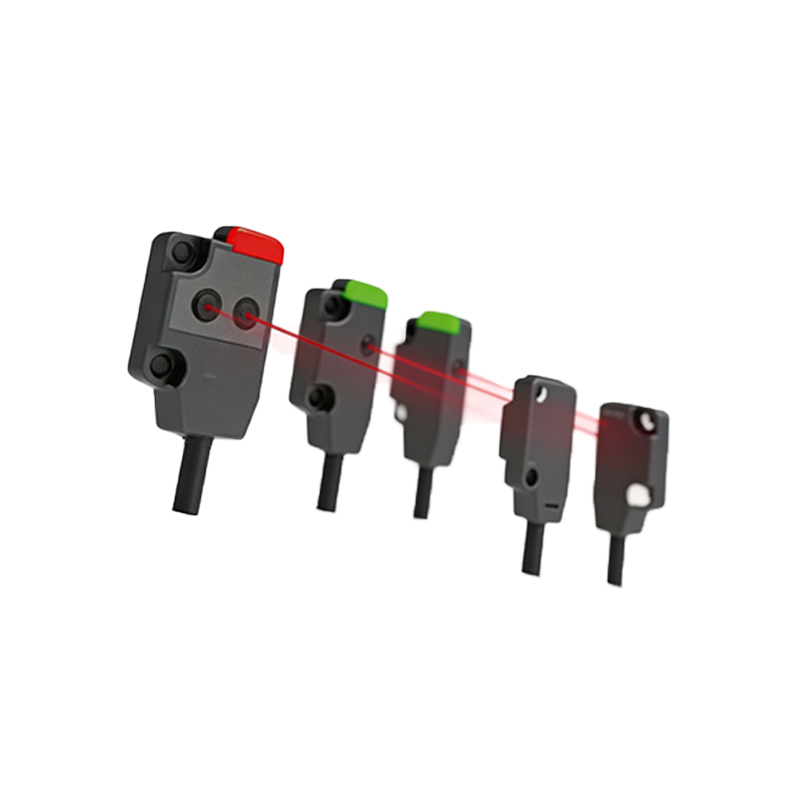
The price of a Tyco photoelectric sensor is not a single figure but a spectrum determined by several core factors. First and foremost is the sensing technology and type. Basic diffuse reflective sensors, which detect objects without a separate reflector, are generally at the lower end of the price range. More advanced models, like retro-reflective or through-beam sensors, which offer longer ranges and higher reliability, command higher prices. Furthermore, sensors with specialized functions—such as background suppression, color recognition, or precise distance measurement—incorporate more complex optics and electronics, significantly increasing the cost. The housing material is another critical factor; sensors designed with robust stainless steel or specialized coatings for harsh environments (resistant to chemicals, extreme temperatures, or high-pressure washdowns) are priced higher than standard plastic-housed units for benign settings.
Product Series and Performance Specifications
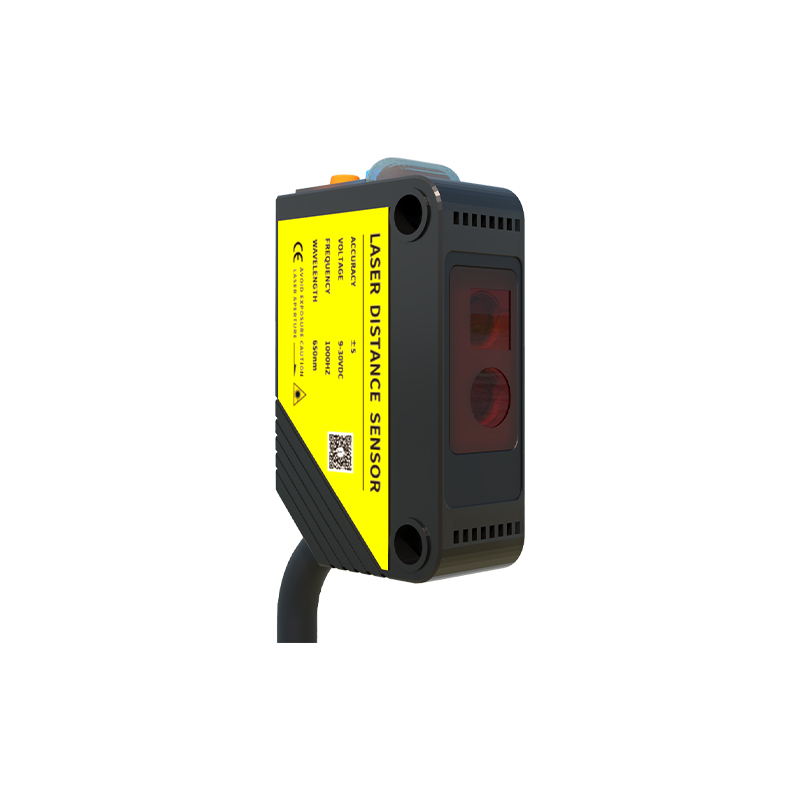
Tyco offers photoelectric sensors across various series, each targeting specific application needs and price points. Entry-level series provide essential detection functions with standard ranges and output configurations, representing the most cost-effective option for simple applications. Mid-range series often introduce enhanced features like adjustable sensing ranges, teach-in functionality, and multiple output types (NPN/PNP). The premium series includes high-performance sensors with advanced diagnostics, IO-Link communication for Industry 4.0 integration, exceptionally long sensing ranges, and ultra-fast response times. The price escalates accordingly with these performance enhancements. Specifications such as light source (red LED, laser, infrared), sensing distance, response frequency, and protection rating (IP67, IP69K) are direct contributors to the final cost. A laser-based sensor for precise positioning will invariably cost more than a standard red LED diffuse sensor.
Market Dynamics and Supply Chain Considerations
Pricing is also subject to broader market forces. Global demand for automation components, raw material costs for metals and semiconductors, and logistical expenses all impact the final price to the OEM or end-user. The distribution channel plays a role; purchasing directly from TE Connectivity or through authorized distributors may offer different pricing tiers based on volume. Lead times can also affect price, especially for specialized or custom-configured sensors, where expedited manufacturing carries a premium. Furthermore, the competitive landscape means that Tyco sensor pricing is positioned against other major brands like Sick, Omron, Banner Engineering, and Keyence, balancing advanced features and reliability against market expectations.
Cost Analysis: Initial Investment vs. Total Cost of Ownership
For industrial engineers and procurement specialists, evaluating a Tyco photoelectric sensor based solely on its purchase price is a limited approach. A more comprehensive analysis considers the Total Cost of Ownership (TCO). Tyco sensors are engineered for longevity and minimal downtime. Their high reliability reduces the frequency of failures and associated maintenance costs, production stoppages, and replacement expenses. Features like stable sensing in dirty environments or robust housings that withstand physical impact lower long-term operational risks. Therefore, while the initial price point might be higher than some generic alternatives, the superior TCO—encompassing reliability, durability, and seamless integration—often justifies the investment, leading to lower long-term operational expenditure and higher overall equipment effectiveness.
Where to Find Pricing and How to Procure
Accurate and current pricing for Tyco photoelectric sensors is best obtained through official channels. The TE Connectivity website provides detailed product catalogs and specification sheets, while listed prices are typically available through their network of authorized industrial distributors. These distributors can offer tailored quotes based on specific model numbers, required quantities, and delivery schedules. For large-scale OEM projects, contacting TE Connectivity sales representatives directly is advisable to negotiate volume-based pricing and discuss custom solutions. It is crucial to have the exact sensor model, including suffix codes for output type, connector style, and housing variant, to receive a precise quotation.
Conclusion and Final Recommendations
The pricing of Tyco photoelectric sensors reflects a direct correlation with their technological sophistication, build quality, and application suitability. From economical standard models to high-end intelligent sensors, the range accommodates diverse budgetary and performance requirements. Professionals are advised to conduct a thorough needs assessment, prioritizing essential specifications and environmental ratings. Engaging with technical sales support from TE or its distributors can help identify the most cost-effective model that meets the application's demands without over-specification. Ultimately, investing in a sensor from a reputable manufacturer like Tyco/TE Connectivity is an investment in system reliability and operational efficiency, where the value often extends far beyond the initial purchase price on the invoice.