Introduction to Photoelectric Sensor Standards
In the realm of industrial automation, photoelectric sensors serve as the eyes of a system, detecting the presence, absence, or distance of objects without physical contact. The reliability and interoperability of these critical components hinge on adherence to established international standards. Standardization ensures that sensors from different manufacturers can communicate effectively, integrate seamlessly into diverse control systems, and maintain consistent performance under specified environmental conditions. This universal framework is not merely a bureaucratic exercise; it is the bedrock of system reliability, safety, and cost-effective maintenance across global supply chains. For engineers and system integrators, a deep understanding of these standards is paramount for selecting the right component and ensuring long-term operational success.
Key International Standardization Bodies
Several prominent organizations govern the standards for photoelectric sensor components. The International Electrotechnical Commission (IEC) is a primary authority, with standards like IEC 60947-5-2 covering the specific requirements for proximity sensors, including photoelectric types. This standard defines aspects such as performance characteristics, testing methods, and safety requirements. In North America, Underwriters Laboratories (UL) and the Canadian Standards Association (CSA) provide crucial safety certifications, often aligned with IEC principles. Additionally, the International Organization for Standardization (ISO) contributes through standards related to housing protection ratings, such as the IP (Ingress Protection) code defined in ISO 20653, which is critical for specifying environmental durability.
Standardized Housing and Mounting Configurations
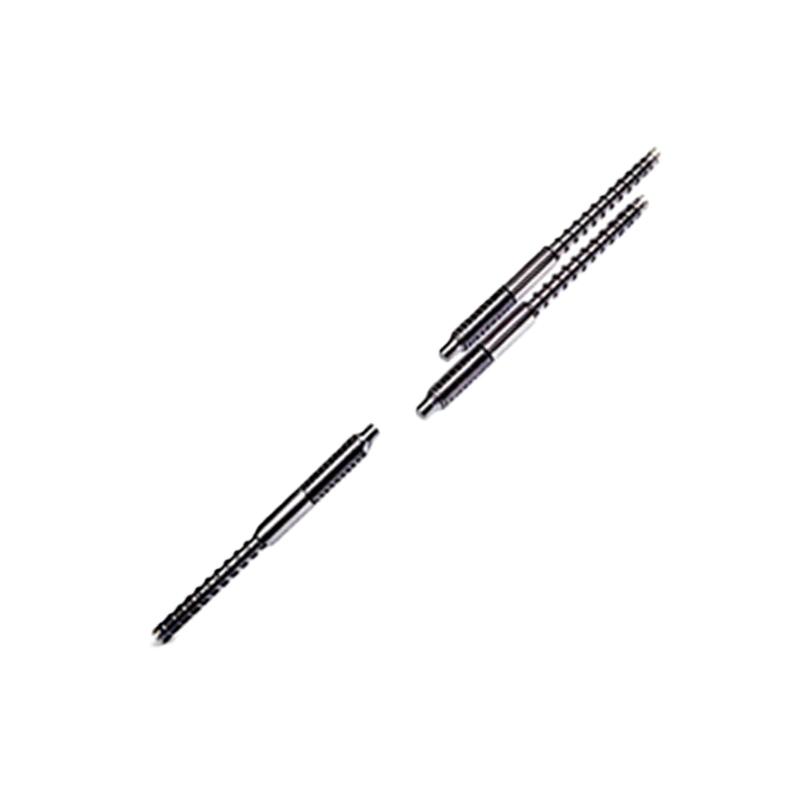
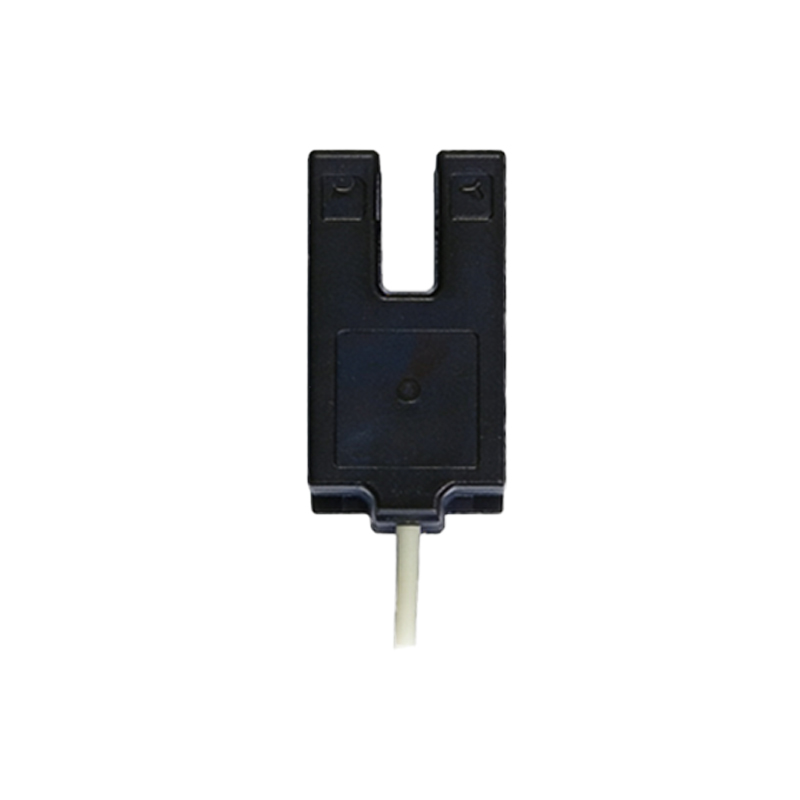
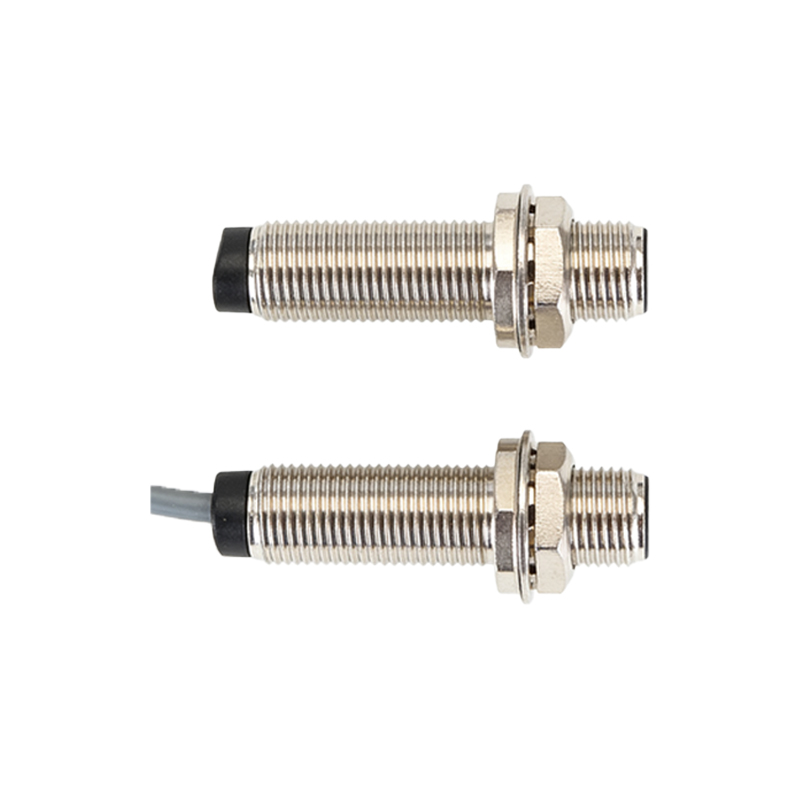
A fundamental aspect of standardization is the physical form factor. Manufacturers produce sensors in a range of standardized housing shapes—cylindrical (e.g., M8, M12, M18, M30 threaded barrels), rectangular, and slot-style—with defined dimensions and mounting threads. This uniformity allows for the use of generic mounting brackets, nuts, and hardware, simplifying installation and replacement. The consistency in housing design extends to connector types, with M8 and M12 connectors being industry norms for quick-disconnect capabilities. This mechanical standardization drastically reduces downtime during maintenance and enables flexible system design, as engineers can confidently specify a sensor knowing it will physically fit the intended application.
Electrical Interface and Output Signal Standards
The electrical characteristics of photoelectric sensors are rigorously defined. Standard operating voltages, typically 10-30 VDC or 90-250 VAC, ensure compatibility with common industrial power supplies. Output configurations are equally standardized, primarily falling into three types: NPN (sourcing) and PNP (sinking) for DC sensors, and relay or triac outputs for AC models. The output signal itself, whether a discrete on/off switch or a proportional analog signal (e.g., 4-20 mA, 0-10 V), follows well-established protocols. Furthermore, short-circuit protection, reverse polarity protection, and defined load current capacities are mandated by standards to prevent damage and ensure safe operation within the control circuit.
Performance Characteristics and Testing
Standards provide precise definitions for key performance parameters, ensuring apples-to-apples comparisons between products. The sensing range, both nominal and assured, must be specified under defined conditions. Response time, the delay between a detection event and output switching, is standardized for measurement. Another critical parameter is the hysteresis—the difference between the switch-on and switch-off points—which prevents output oscillation. Environmental testing standards dictate how sensors are evaluated for resistance to temperature extremes, vibration, shock, and exposure to chemicals. Light sources, typically LEDs with defined wavelengths (e.g., red, infrared, laser), also have standardized intensity and safety classifications.
Protection Ratings: IP and NEMA Codes
The ability of a sensor to withstand environmental challenges is codified through protection ratings. The IP code, per IEC 60529, is a two-digit standard where the first digit indicates solid particle protection (0-6) and the second digit indicates liquid ingress protection (0-9). For instance, IP67 rating signifies complete dust protection and the ability to withstand temporary immersion in water. In parallel, the North American NEMA 250 standard defines enclosure types for industrial equipment, with ratings like NEMA 4X indicating protection against hose-directed water and corrosion. Specifying the correct protection rating is a non-negotiable step in selecting a standard sensor for harsh environments like washdown areas or outdoor installations.
Communication Protocols and Smart Sensors
The evolution towards Industry 4.0 has driven standardization in sensor communication. Beyond simple discrete wiring, many modern photoelectric sensors incorporate intelligence and digital communication interfaces. Standards like IO-Link have emerged as a key backward-compatible protocol for point-to-point communication. IO-Link standardizes the way sensors transmit not just a process value, but also detailed parameter data, diagnostic information, and device identification. This allows for remote configuration, advanced condition monitoring, and simplified device replacement—all facilitated by a standardized physical connection (typically using the standard M12 connector) and a uniform data structure.
Importance of Standards in System Design and Maintenance
Adherence to component standards translates directly into tangible benefits for system designers and end-users. It future-proofs installations by guaranteeing the availability of compatible replacement parts, often from multiple suppliers, mitigating obsolescence risks. Standardization simplifies training for maintenance technicians, as principles remain consistent across brands. It also accelerates troubleshooting; a technician familiar with standard wiring colors, LED indicator patterns, and error codes can diagnose issues more efficiently. Ultimately, designing with standardized photoelectric sensors reduces total cost of ownership, minimizes unplanned downtime, and enhances the overall robustness and scalability of automated systems.