Introduction to Proximity Sensor Terminology
In the realm of industrial automation and electrical engineering, proximity sensors are indispensable components. Their primary function is to detect the presence or absence of an object within a specified range without any physical contact. The terminology surrounding these devices can be diverse, often leading to confusion. The names of proximity sensors are typically derived from their underlying detection technology, operational characteristics, and specific applications. Understanding this nomenclature is crucial for selecting the right sensor for a given task, ensuring system reliability, efficiency, and safety. This guide delves into the various names and types of proximity sensors commonly encountered in the industry.
Inductive Proximity Sensors
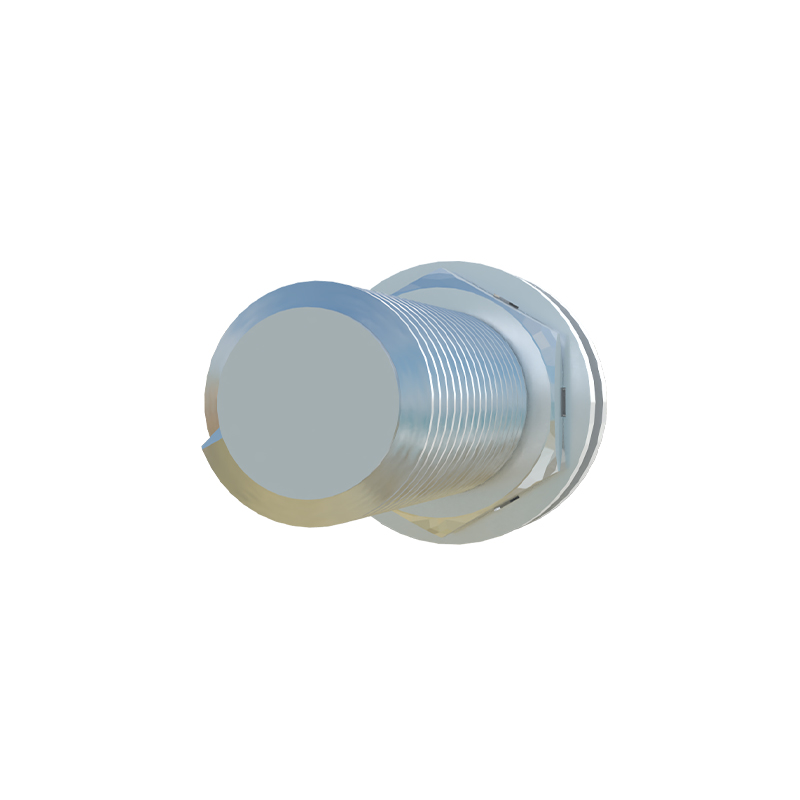
Inductive proximity sensors are among the most widely used types in industrial settings. They operate on the principle of electromagnetic induction. The core component is a coil that generates a high-frequency oscillating electromagnetic field. When a metallic object enters this field, eddy currents are induced on the object's surface, causing a change in the oscillation amplitude. This change is detected by the sensor's circuitry, triggering an output signal. These sensors are exclusively used for detecting ferrous and non-ferrous metals. Common industry names for these include simply "inductive sensors," "prox switches" (a colloquial term), or more specifically, "shielded" and "unshielded" inductive sensors, referring to the design of their sensing face.
Capacitive Proximity Sensors
Capacitive proximity sensors function by detecting changes in capacitance. The sensor's active face forms one plate of a capacitor, with the target object acting as the other plate. As an object approaches the sensing face, the capacitance of the system increases. Once this capacitance reaches a preset threshold, the sensor activates its output. A key advantage is their ability to detect a wide range of materials, including metals, plastics, glass, liquids, and granular substances. Therefore, they are often referred to as "universal sensors" or "material detection sensors." In applications involving level detection for powders or liquids, they might be specifically called "capacitive level sensors."
Ultrasonic Proximity Sensors
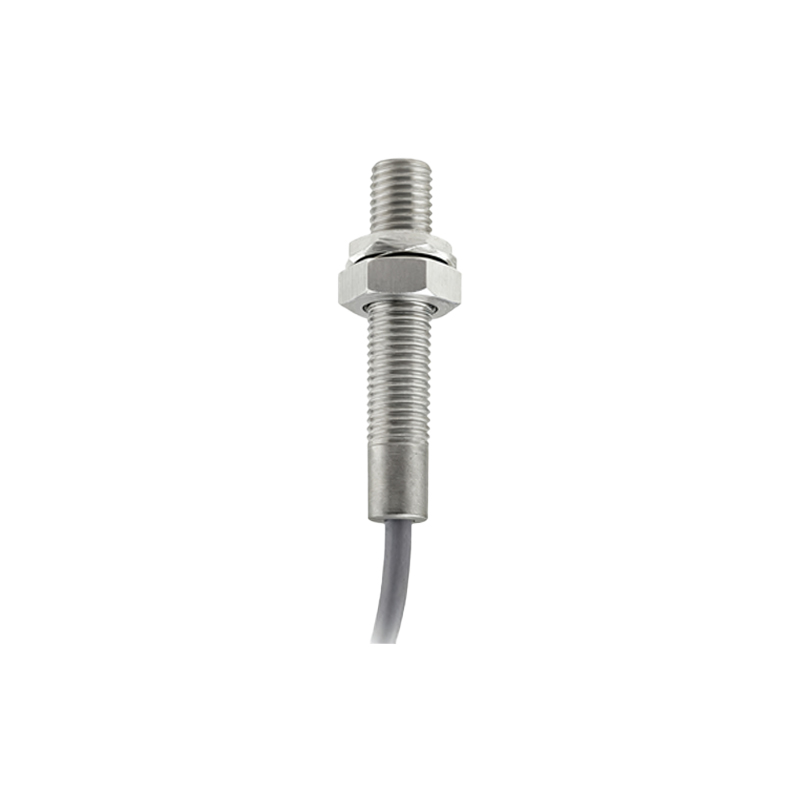
These sensors utilize sound waves beyond the range of human hearing. An ultrasonic sensor emits high-frequency sound pulses and then listens for the echo reflected from a target object. By measuring the time interval between the emission and reception of the echo (time-of-flight), the sensor can calculate the distance to the object. They are excellent for detecting objects regardless of color, transparency, or material, and are effective over longer ranges. In the industry, they are commonly named "ultrasonic sensors," "sonic sensors," or "echo sensors." When configured for precise distance measurement rather than simple presence detection, they are often termed "ultrasonic distance sensors" or "ultrasonic rangefinders."
Photoelectric Sensors
Photoelectric sensors, while sometimes categorized separately, are a fundamental type of non-contact proximity sensor. They use a light beam (visible, infrared, or laser) to detect objects. There are three main operating modes: through-beam, retro-reflective, and diffuse (proximity) mode. The diffuse mode, where the emitter and receiver are in the same housing and rely on light reflected from the target, functions as a true proximity sensor. They are known as "photoelectric eyes," "photo sensors," or "optical proximity sensors." Specific types include "fiber optic sensors" for small or hazardous areas and "laser sensors" for high-precision, long-range detection.
Magnetic Proximity Sensors (Reed Switches)
Magnetic proximity sensors operate based on the interaction with a magnetic field. The most common type is the reed switch, which consists of two ferromagnetic reeds sealed within a glass tube. When a permanent magnet or an electromagnet approaches, the reeds magnetize and attract each other, closing the electrical contact. These are highly reliable for detecting the position of cylinders with built-in magnets and are frequently called "reed switches," "magnetic reed sensors," or "cylinder position sensors." Hall Effect sensors, which detect magnetic fields by producing a voltage difference, are another type and are named "Hall sensors" or "Hall Effect proximity switches."
Specialized and Application-Specific Names
Beyond the core technologies, proximity sensors acquire names based on their specific form factor, housing, or application. For instance, "cylinder sensors" are designed to mount directly on pneumatic or hydraulic cylinders. "Slot sensors" have a through-hole design for detecting objects passing through a gap. "High-temperature sensors" are built to withstand extreme thermal environments. In automotive assembly, they might be called "part presence sensors." In packaging machinery, "label detection sensors