Introduction to Photoelectric Sensors
Photoelectric sensors are pivotal components in industrial automation, leveraging light beams to detect the presence, absence, or distance of objects. These devices operate by emitting a light source—typically infrared, visible red, or laser—and measuring the reflected or interrupted light to trigger an output signal. Their non-contact nature ensures minimal wear and tear, making them ideal for high-speed applications in manufacturing, packaging, and logistics. With advancements in technology, modern photoelectric sensors offer enhanced precision, reliability, and adaptability across diverse environments, from clean rooms to harsh industrial settings.
Object Detection and Positioning
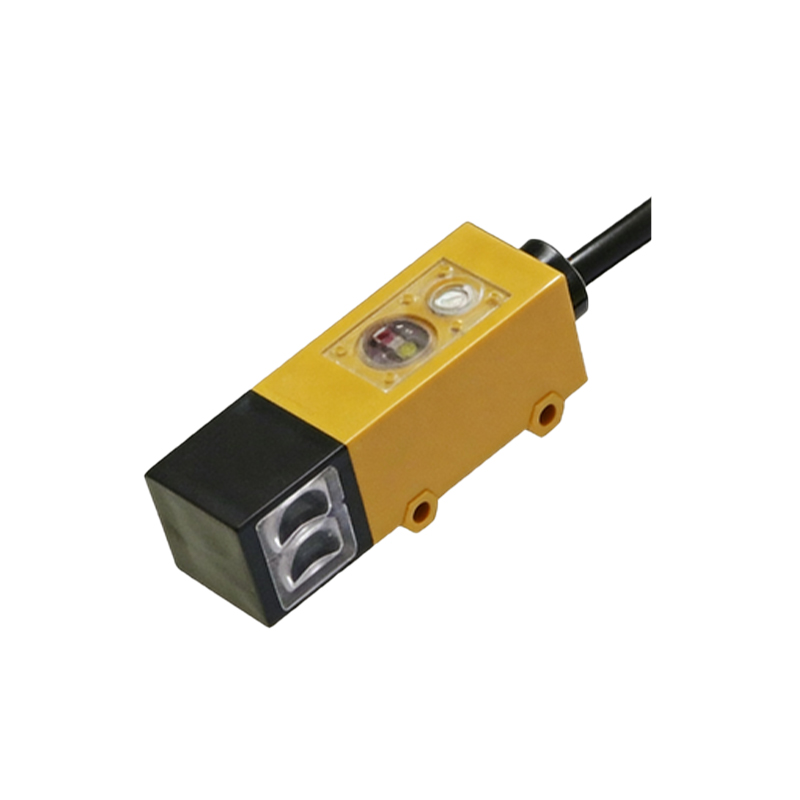
One of the primary functions of photoelectric sensors is object detection and precise positioning. In assembly lines, they identify components on conveyor belts, ensuring correct placement for robotic arms or machinery. For example, in automotive manufacturing, sensors detect engine parts moving along production lines, enabling automated systems to align and assemble them accurately. Their ability to sense objects regardless of material—be it metal, plastic, or glass—makes them versatile for industries like electronics, where tiny circuit boards require exact positioning. By using through-beam, retro-reflective, or diffuse reflection modes, these sensors provide reliable detection even in challenging conditions like dust or vibration.
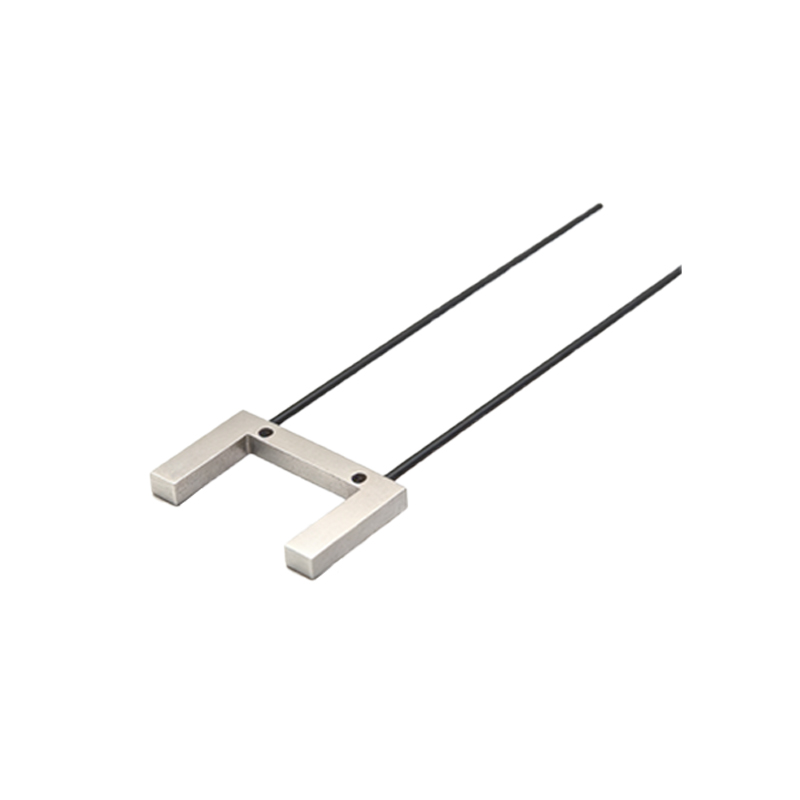
Level Monitoring and Control
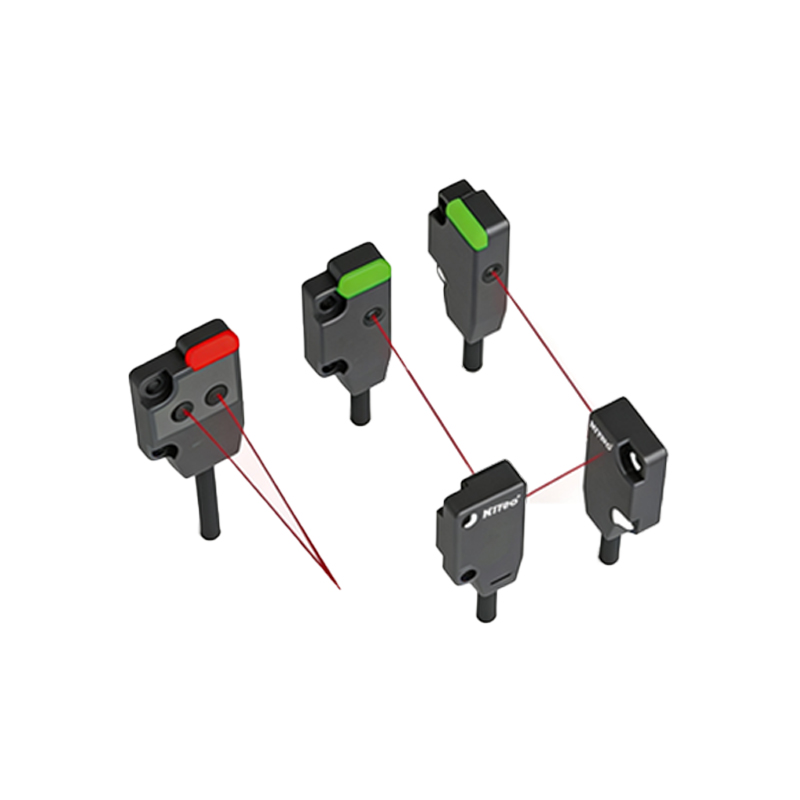
Photoelectric sensors excel in monitoring liquid or solid levels in tanks, silos, and containers. In chemical plants, they prevent overflows by detecting high liquid levels and triggering alarms or shut-off valves. Similarly, in food processing, sensors monitor grain levels in storage bins, automating refill processes to maintain continuous production. Their non-invasive design avoids contamination risks, crucial in pharmaceuticals or beverage industries. With adjustable sensing ranges and beam patterns, these sensors adapt to various container shapes and materials, offering cost-effective solutions for inventory management and process optimization.
Safety and Access Control
Enhancing workplace safety, photoelectric sensors serve as safety curtains or light barriers in hazardous areas. They create invisible protective fields around machinery, such as presses or robots, instantly stopping operations if a worker enters the danger zone. In logistics, sensors on automated guided vehicles (AGVs) detect obstacles to prevent collisions. For access control, they integrate into security systems to monitor door openings or restricted zones, using infrared beams to detect unauthorized entry. Their fast response time—often in milliseconds—ensures real-time protection, reducing accident risks and complying with industrial safety standards like ISO 13849.
Quality Inspection and Sorting
In quality control, photoelectric sensors inspect products for defects, size, or color variations. For instance, in packaging lines, they verify label placement or check for missing caps on bottles, rejecting faulty items automatically. Advanced sensors with color recognition capabilities sort items based on hue or reflectance, useful in recycling plants to separate plastics by type. By integrating with vision systems or PLCs, they enable high-speed sorting in industries like agriculture, where fruits are graded by ripeness. This reduces manual labor, improves efficiency, and ensures consistent product quality.
Counting and Measurement Applications
Photoelectric sensors facilitate accurate counting and measurement tasks in production and logistics. On assembly lines, they count items passing through a point, aiding in inventory tracking or batch processing. In printing, sensors measure paper length or detect sheet presence to prevent jams. For dimensional measurement, laser-based sensors gauge object thickness or width with micron-level precision, essential in metalworking or textile manufacturing. Their ability to operate at high frequencies—up to thousands of detections per second—supports rapid data collection, enabling real-time analytics for process improvement.
Integration with IoT and Smart Systems
Modern photoelectric sensors are evolving with Industry 4.0, integrating into IoT networks for smart automation. Equipped with connectivity features like IO-Link or Ethernet, they transmit data to central systems for predictive maintenance, alerting operators to potential failures before downtime occurs. In smart factories, sensors monitor equipment performance, adjusting parameters based on environmental changes. This connectivity enhances scalability, allowing remote configuration and diagnostics via cloud platforms. As industries adopt digital twins, sensor data feeds virtual models to simulate and optimize processes, driving efficiency gains.
Conclusion and Future Trends
Photoelectric sensors are indispensable tools in today’s industrial landscape, offering solutions from basic detection to complex automation. Their versatility spans object sensing, safety, quality control, and beyond, supported by ongoing innovations in miniaturization, energy efficiency, and AI integration. Future trends include enhanced sensitivity for transparent materials, wireless operation for flexible installations, and AI-driven analytics for adaptive sensing. As industries pursue greater automation, photoelectric sensors will continue to play a critical role in boosting productivity, safety, and sustainability. Engineers and operators should leverage their capabilities to stay competitive in a rapidly evolving market.