Introduction to Magnetic Proximity Sensing
In the intricate landscape of industrial automation and control systems, magnetic proximity sensors stand as pivotal components. These devices, which detect the presence or absence of a magnetic object without physical contact, are fundamental to countless applications. A specialized magnetic proximity sensor company focuses on the research, development, and manufacturing of these critical sensing solutions. Their expertise drives innovation in reliability, precision, and miniaturization, enabling smarter and more efficient operations across diverse sectors from automotive manufacturing to consumer electronics.
Core Technology and Operating Principles
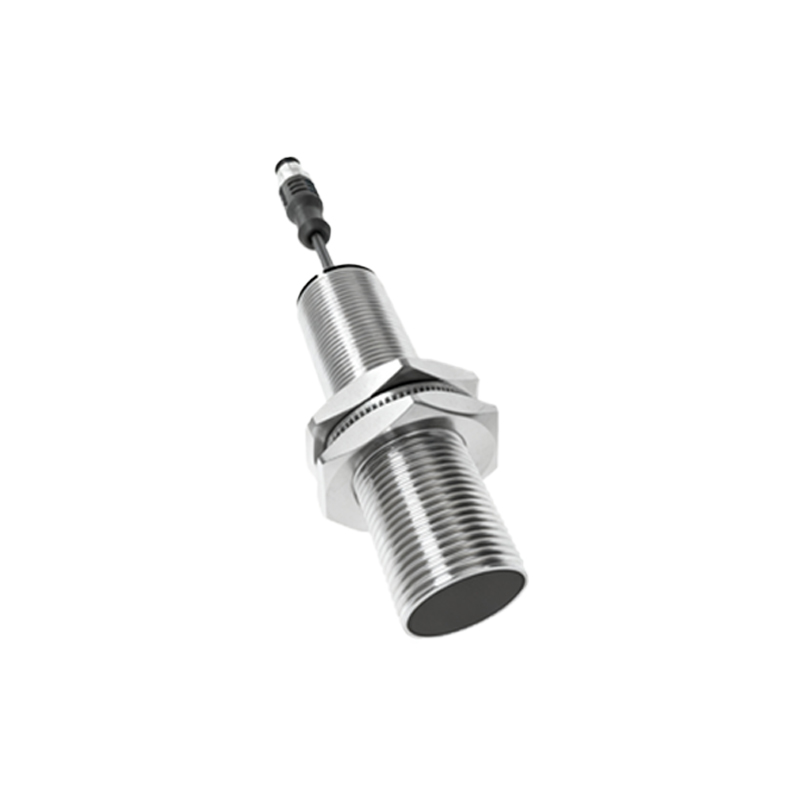
At the heart of these devices lies a simple yet profound principle: the Hall Effect or magnetoresistive technology. When a magnetic field from a target, such as a permanent magnet, enters the sensor's detection range, it triggers a change in the electrical output of the sensing element. This signal is then processed to provide a clear, binary indication of the object's presence. Leading companies in this field continuously refine these technologies to enhance sensitivity, increase switching distances, and improve resistance to environmental interference like temperature fluctuations, dust, and moisture.
Key Applications Across Industries
The versatility of magnetic sensors ensures their widespread adoption. In the automotive industry, they are indispensable for detecting gear position, wheel speed, and seat belt engagement. Within factory automation, they provide non-contact end-position detection for cylinders and valves, ensuring precise machine control. Consumer electronics utilize miniature versions for detecting flip covers or lid positions. Furthermore, their intrinsic safety—requiring no physical contact and generating no sparks—makes them ideal for hazardous environments, including those with explosive atmospheres.
Advantages Over Other Sensor Types
Choosing a magnetic proximity sensor often presents distinct benefits. Their primary advantage is the ability to detect through non-ferrous materials like aluminum, plastic, or stainless steel, allowing for sealed and hygienic designs. They are exceptionally robust, with no moving parts to wear out, leading to a long operational life and minimal maintenance. Compared to inductive sensors, they can detect magnetic fields directly, and unlike optical sensors, they are unaffected by dirt, fog, or lighting conditions, ensuring consistent performance in challenging settings.
Innovation and Future Trends
A forward-thinking magnetic proximity sensor company is not merely a manufacturer but an innovation hub. Current trends point toward the development of ultra-miniature sensors for compact devices, sensors with integrated intelligence for predictive maintenance, and enhanced connectivity for Industry 4.0 and the Internet of Things (IoT). Research is also focused on creating sensors with lower power consumption for battery-operated devices and improving their performance in extreme temperatures and high-vibration environments.
Selecting the Right Sensor Partner
For engineers and system integrators, partnering with the right sensor company is crucial. Key selection criteria include the company's technical support capabilities, customization options for unique applications, global supply chain reliability, and adherence to stringent international quality and safety standards. A reputable company will offer a comprehensive portfolio, detailed application notes, and a proven track record of solving complex detection challenges, acting as a true technical partner rather than just a supplier.
Conclusion: Enabling a Smarter, Safer World
Magnetic proximity sensor companies play a silent yet transformative role in the backbone of modern technology. By providing reliable, contactless detection, they enhance safety, boost efficiency, and enable automation that was once unimaginable. As industries continue to evolve towards greater connectivity and autonomy, the innovations driven by these specialized firms will remain essential, solidifying their position as critical enablers of progress in an increasingly automated world.