Understanding the Role of Photoelectric Sensors in AC Units
Photoelectric sensors are critical components in modern air conditioning systems, primarily responsible for detecting airflow, monitoring filter status, or sensing the position of moving parts like louvers. These sensors operate by emitting a light beam—often infrared—and detecting its reflection or interruption. In AC units, they ensure optimal performance by providing real-time feedback to the control board, enabling automatic adjustments for energy efficiency and safety. For instance, a clogged air filter might trigger a sensor to alert users via an indicator light, preventing system strain. Understanding this function is the first step in locating the sensor, as its placement directly relates to its specific duty within the HVAC system.
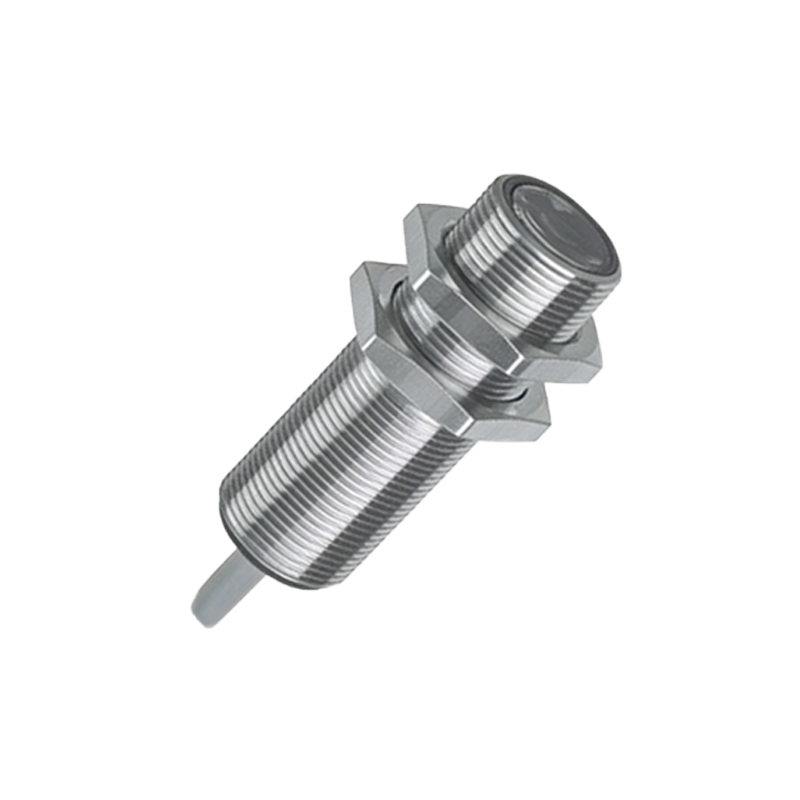
Common Placement Areas for Photoelectric Sensors
Typically, photoelectric sensors are situated in key areas where airflow or movement detection is essential. In most residential and commercial AC systems, you can find them near the air intake vents, adjacent to the filter compartment, or along the ductwork. For units with automated swing louvers, sensors are often mounted on the indoor unit's housing to track the louver's rotation. In more advanced systems, they might be integrated into the blower assembly to monitor fan speed or airflow volume. It's important to consult the manufacturer's technical manual, as designs vary by brand and model. Generally, these sensors are small, rectangular devices with a lens or emitter window, making them distinguishable from other components.
Step-by-Step Guide to Locating the Sensor
Begin by turning off the AC unit and disconnecting power to ensure safety. Remove the front panel of the indoor unit to access internal components. Look for a small, plastic-housed device with wiring connected to the main control board—often labeled "sensor" or "photo" on the board or in the manual. Use a flashlight to inspect areas around the filter slot and air pathways, as sensors are commonly positioned here to detect obstructions. If your AC has moving vents, check the motor assembly for a sensor aligned with the vent's path. For outdoor units, sensors might be near the fan or compressor for safety monitoring. Always handle components gently to avoid damage.
Tools and Techniques for Accurate Identification
A multimeter can be invaluable for confirming a photoelectric sensor's functionality and location. Set the multimeter to measure resistance or continuity, and test the sensor's terminals while simulating its operation—for example, by passing an object through its beam. A change in reading indicates a working sensor. Additionally, an infrared detector can help spot active IR beams emitted by the sensor, especially in low-light conditions. Refer to wiring diagrams in the service manual, which often highlight sensor positions with specific symbols. If unsure, take photos of the internal layout and compare them with online resources or forums dedicated to your AC model.
Troubleshooting and Maintenance Tips
Once located, inspect the sensor for dust, debris, or physical damage that could impair its function. Clean the lens gently with a soft cloth and isopropyl alcohol to ensure clear light transmission. Check wiring connections for corrosion or looseness, as poor contacts can cause false readings. If the sensor fails, replacement is usually straightforward—note the part number and order an exact match from the manufacturer. Regular maintenance, such as cleaning filters and vents, can prevent sensor issues by reducing airborne particles that might interfere with the light beam. Always test the system after any intervention to verify proper operation.
Safety Precautions and Professional Assistance
While locating a photoelectric sensor is often a DIY task, prioritize safety by avoiding live electrical work and wearing protective gear. If the sensor is in a hard-to-reach area or near high-voltage components, consider hiring a licensed HVAC technician. Professionals have specialized tools and expertise to diagnose and repair sensor-related problems efficiently, reducing the risk of voiding warranties or causing further damage. Document your findings and any steps taken, as this information can assist technicians if needed. Remember, regular professional inspections can extend the lifespan of your AC system and ensure sensors function correctly.