Introduction to Proximity Sensor Brands
Proximity sensors are essential components in modern automation and industrial applications, detecting the presence or absence of objects without physical contact. The market features a diverse range of brands, each offering unique technologies and solutions. This encyclopedia provides a comprehensive overview of leading proximity sensor brands, accompanied by images to aid identification and selection. From established global giants to specialized innovators, these brands drive efficiency and reliability across sectors like manufacturing, automotive, and robotics. Understanding their offerings helps engineers and buyers make informed decisions based on factors such as sensing range, durability, and integration capabilities.
Top Global Proximity Sensor Brands
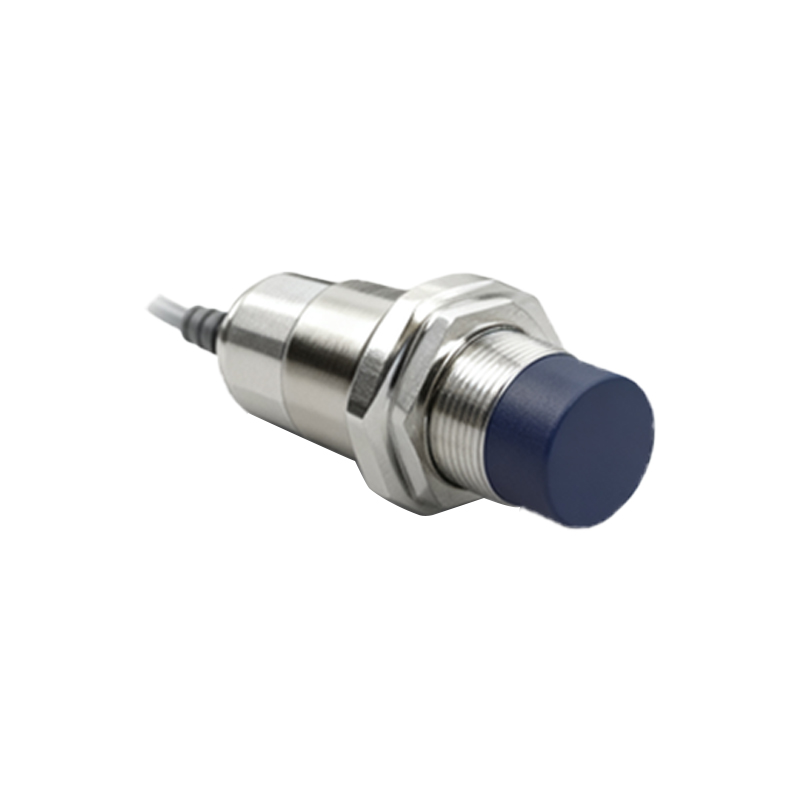
Siemens stands out as a premier brand, known for its robust and precise sensors used in heavy-duty industrial environments. Their product images often showcase compact designs with LED indicators, suitable for PLC integration. Another key player is Omron, a Japanese brand renowned for high-performance inductive and capacitive sensors. Omron's sensors, depicted in catalogs with sleek metallic housings, excel in automation systems requiring fast response times. Schneider Electric also ranks highly, offering versatile sensors with images highlighting easy mounting features and IP-rated enclosures for harsh conditions. These brands dominate due to their extensive R&D and global support networks.
Specialized and Niche Brands
For specialized applications, brands like Pepperl+Fuchs lead with innovative solutions, particularly in hazardous areas. Their images often display explosion-proof sensors with certifications like ATEX, designed for oil and gas industries. Balluff, a German brand, focuses on precision and customization, with product photos showcasing modular designs and IO-Link compatibility for smart factories. Additionally, Turck provides durable sensors with images emphasizing rugged construction and high-temperature resistance, ideal for automotive assembly lines. These niche brands cater to specific needs, ensuring optimal performance in challenging environments.
Innovative Brands in Sensing Technology
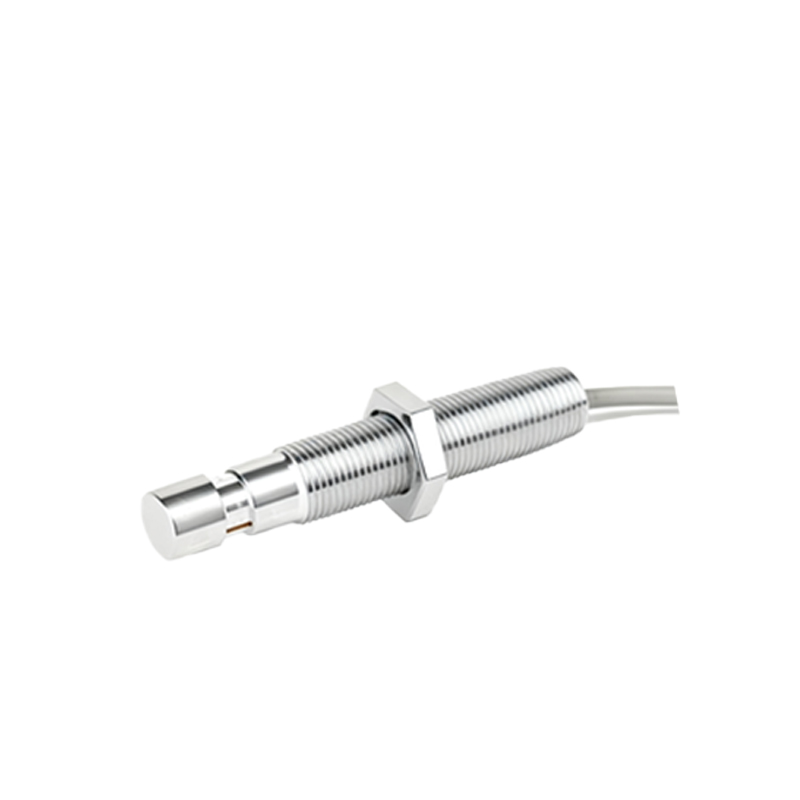
Emerging brands are pushing boundaries with advanced technologies. IFM Electronic, for instance, offers sensors with integrated diagnostics, as seen in images featuring clear display screens and configurable settings. SICK, another innovator, provides photoelectric and ultrasonic proximity sensors, with visuals highlighting compact sizes and long-range detection capabilities. Banner Engineering excels in low-cost, high-reliability sensors, often pictured with bright yellow housings for visibility in industrial settings. These brands emphasize connectivity and IoT readiness, aligning with Industry 4.0 trends to enhance data-driven operations.
Brand Comparison and Selection Tips
When selecting a proximity sensor brand, consider factors like application requirements and budget. Images can reveal key details: look for sensor housing materials (e.g., stainless steel for corrosion resistance), connector types, and indicator lights. Compare brands based on specifications such as sensing distance, switching frequency, and environmental ratings. For instance, Siemens sensors may suit large-scale automation, while Balluff offers flexibility for custom setups. Always review technical datasheets and real-world installation photos to ensure compatibility with your system. Testing samples from multiple brands can further validate performance before bulk purchases.
Future Trends and Brand Developments
The proximity sensor industry is evolving with trends like miniaturization and wireless connectivity. Brands like Honeywell are developing smaller sensors with enhanced sensitivity, as shown in prototype images featuring micro-sized components. Rockwell Automation is integrating AI capabilities for predictive maintenance, with visuals illustrating smart sensor networks. Additionally, eco-friendly designs are gaining traction, with brands like Eaton showcasing sensors made from recyclable materials. Staying updated with brand announcements and product launches through industry publications and trade shows helps professionals leverage cutting-edge solutions for improved efficiency and sustainability.