Introduction to Photoelectric Sensing Technology
Photoelectric sensors are pivotal components in modern industrial automation, leveraging light beams to detect the presence, absence, or position of objects. These sensors operate by emitting a light source—typically infrared, visible red, or laser—and measuring the reflected or interrupted light to determine object characteristics. In mesh detection applications, such as conveyor belts, safety barriers, or filtration systems, photoelectric sensors provide non-contact, high-speed, and reliable monitoring. Their ability to detect fine patterns, such as woven or perforated materials, makes them indispensable for ensuring product quality, operational safety, and process efficiency in industries ranging from textiles to manufacturing.
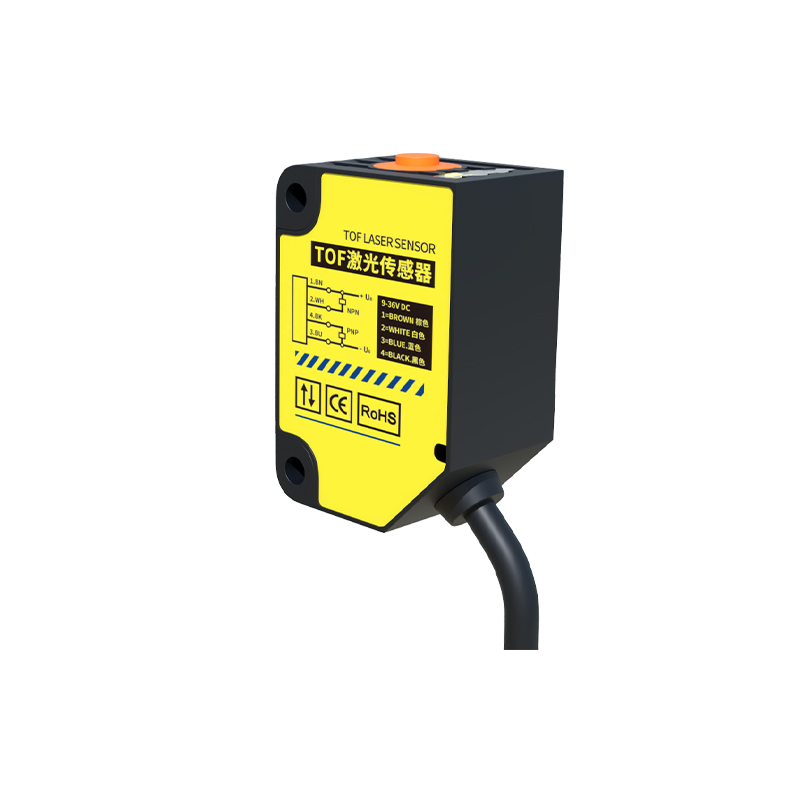
Principles of Operation in Mesh Detection
For mesh detection, photoelectric sensors utilize either through-beam, retro-reflective, or diffuse reflection modes. Through-beam sensors consist of separate emitter and receiver units; when a mesh passes between them, the light beam is partially blocked by the mesh strands, creating a modulated signal that indicates mesh integrity or defects. Retro-reflective sensors use a reflector to bounce light back to the receiver, ideal for detecting transparent or thin meshes where direct reflection is weak. Diffuse reflection sensors rely on light bouncing off the mesh surface, suitable for close-range detection of irregular patterns. Advanced sensors incorporate background suppression or contrast detection to distinguish mesh openings from solid areas, enhancing accuracy in high-speed production lines.
Key Features and Advantages
Photoelectric sensors offer numerous benefits for mesh detection, including high precision, fast response times, and durability in harsh environments. Their non-contact nature prevents wear and tear on both the sensor and mesh material, extending equipment lifespan. Many models feature adjustable sensitivity and programmable logic, allowing customization for different mesh densities or colors. For instance, in textile manufacturing, sensors can detect broken threads or misaligned weaves in real-time, triggering automatic shutdowns to prevent defects. Additionally, their compact design and easy integration with PLCs (Programmable Logic Controllers) enable seamless automation, reducing manual inspection costs and improving throughput.
Applications Across Industries
In the packaging industry, photoelectric sensors monitor mesh belts for product positioning and jam prevention, ensuring smooth conveyor operations. For safety applications, they are used in machine guarding systems to detect intrusions through protective meshes, halting machinery to prevent accidents. In agriculture, sensors inspect mesh nets for tears or blockages in irrigation or ventilation systems. The food processing sector relies on them to verify mesh filters in sorting equipment, maintaining hygiene standards. Moreover, in automotive manufacturing, sensors check mesh screens in airbag systems for consistency, highlighting their versatility in quality control and regulatory compliance.
Challenges and Solutions
Despite their effectiveness, photoelectric sensors face challenges in mesh detection, such as environmental interference from dust, moisture, or ambient light. To mitigate this, sensors with IP67 or higher ratings are employed for dust and water resistance, while modulated light sources reduce false triggers from external light. For fine or complex meshes, high-resolution sensors with narrow beam angles provide better detection accuracy. Regular maintenance, including lens cleaning and alignment checks, ensures optimal performance. Innovations like smart sensors with IoT connectivity enable predictive maintenance, alerting operators to potential issues before failures occur, thus minimizing downtime.
Future Trends and Innovations
The future of photoelectric sensors in mesh detection is driven by advancements in AI and machine learning, enabling smarter defect classification and adaptive sensing. Miniaturized sensors with enhanced sensitivity will allow detection of ultrafine meshes in nanotechnology or medical devices. Integration with vision systems and 3D sensing will provide comprehensive mesh analysis, capturing depth and texture data. Energy-efficient designs and wireless capabilities will support sustainable and flexible automation setups. As Industry 4.0 evolves, these sensors will play a crucial role in real-time data collection, contributing to digital twins and automated quality assurance systems for mesh-based products.