Non-Contact Operation and Long Service Life
One of the most significant advantages of proximity sensors is their non-contact nature. Unlike mechanical limit switches, they detect the presence or absence of an object without any physical contact. This fundamental characteristic eliminates mechanical wear and tear on the sensor itself and prevents damage to the target object. Consequently, proximity sensors boast an exceptionally long operational lifespan, often measured in millions of cycles. This translates to reduced maintenance costs, less frequent replacements, and higher overall system reliability in demanding industrial environments such as assembly lines, packaging machinery, and material handling systems.
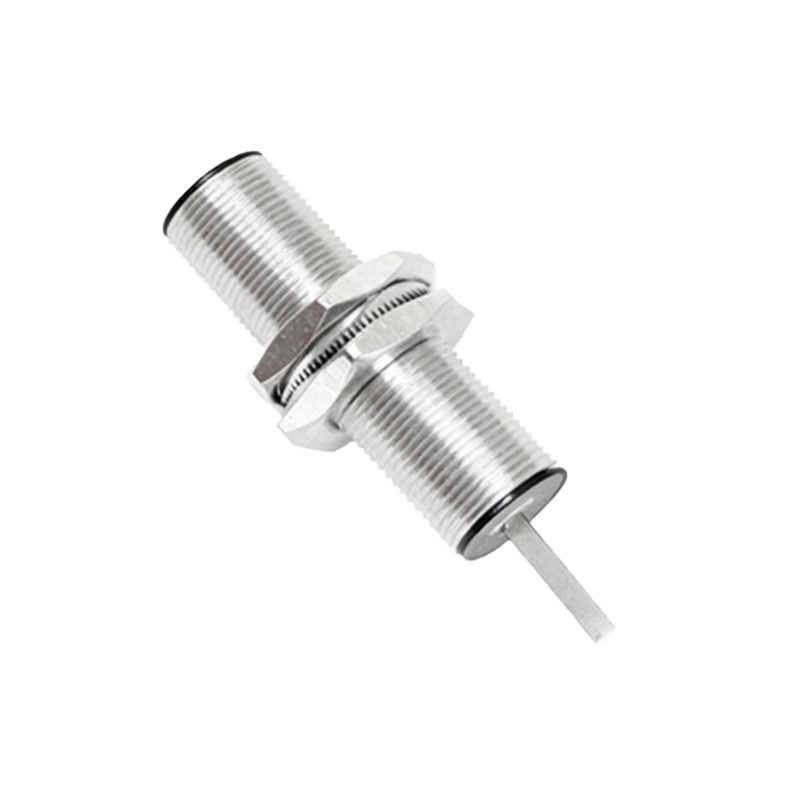
High-Speed Response and Repeatability
Proximity sensors offer incredibly fast response times, typically in the microsecond to millisecond range. This allows for high-speed counting, positioning, and detection in rapid automation processes where mechanical switches would be too slow or prone to failure. Furthermore, they provide excellent repeat accuracy. Once installed and calibrated, a proximity sensor will consistently detect an object at the exact same position every single time, ensuring precision in tasks like robotic arm positioning, part verification, and edge guiding. This consistency is paramount for maintaining product quality and process stability.
Robustness and Environmental Resistance
Engineered for harsh industrial settings, modern proximity sensors are highly robust. They are commonly housed in solid metal (stainless steel or brass) or rugged polymer casings, offering high resistance to vibration, shock, and physical impact. Many models feature complete sealing (e.g., IP67, IP69K ratings), making them impervious to dust, dirt, oil, coolants, and even high-pressure washdowns. This environmental durability allows for their deployment in challenging areas like welding cells, food processing plants, foundries, and outdoor applications, where other sensing technologies might fail.
Versatility in Detection and Material Independence
The versatility of proximity sensors is a key strength. Inductive sensors reliably detect all metals, while capacitive sensors can detect both metallic and non-metallic materials like plastics, glass, wood, and liquids. This material independence expands their application scope tremendously. Additionally, specific models are designed with different sensing ranges, output types (PNP/NPN, analog, IO-Link), and form factors (cylindrical, rectangular, ring-shaped) to suit virtually any application need, from detecting tiny components on a PCB to monitoring large pallets on a conveyor.
Simple Installation and Integration
Proximity sensors are designed for ease of use. Their installation is typically straightforward, often requiring just a bracket and a connection to a power source and controller. The two-wire or three-wire DC models simplify wiring. Advanced features like built-in LED status indicators provide clear visual confirmation of operation and diagnostics. Seamless integration with Programmable Logic Controllers (PLCs), industrial networks, and modern IIoT (Industrial Internet of Things) systems is standard, enabling sophisticated control, data logging, and predictive maintenance strategies.
Cost-Effectiveness and Energy Efficiency
When considering total cost of ownership, proximity sensors are highly cost-effective. Their long life, minimal maintenance, and reliability prevent costly unplanned downtime. The initial investment is often quickly offset by savings in maintenance labor and replacement parts. Moreover, modern sensors are energy-efficient, consuming very little power during operation. This contributes to lower operational energy costs and aligns with sustainable manufacturing practices, making them an economically and environmentally sound choice for continuous industrial operations.