Photoelectric proximity sensors are ubiquitous in industrial automation, packaging, material handling, and countless safety systems. Their ability to detect the presence, absence, or distance of an object without physical contact makes them exceptionally reliable and versatile. Understanding their core principle—the interaction between emitted light and a target—is key to selecting and applying them effectively.
The fundamental operation rests on a simple triad: an Emitter, a Receiver, and a Signal Processor. The emitter, typically a Light Emitting Diode (LED), generates a beam of light. This light is modulated, meaning it is pulsed at a specific high frequency. Using modulated light, rather than constant illumination, is crucial. It allows the sensor's electronics to distinguish the signal from ambient light (like factory lighting or sunlight), dramatically improving immunity to interference and enabling longer sensing ranges. The receiver is a phototransistor or photodiode sensitive to the wavelength of the emitted light. The signal processor analyzes the electrical signal from the receiver.
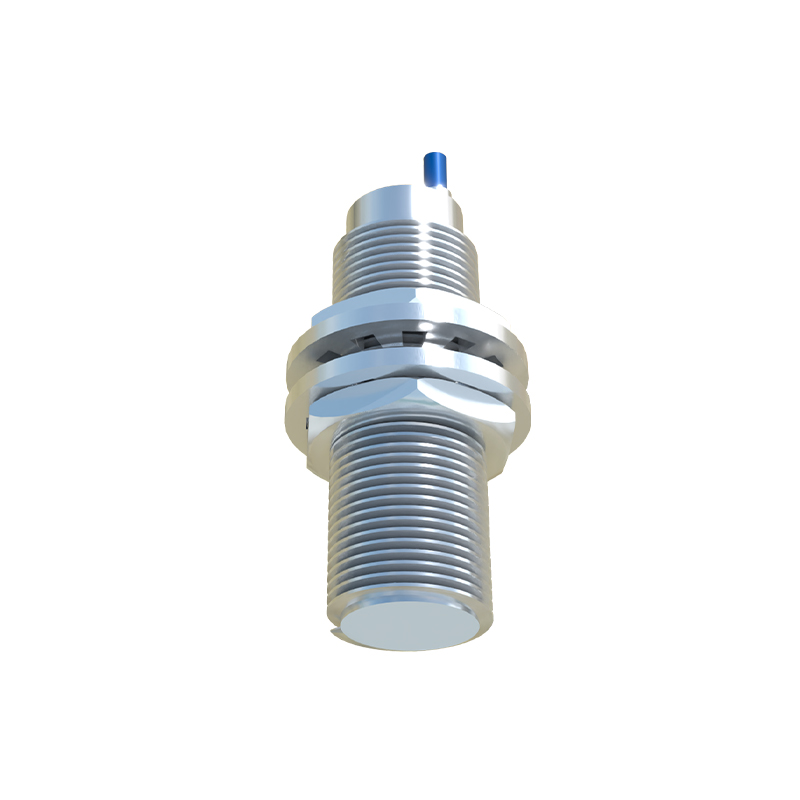
The magic happens in the space between the emitter and receiver. Based on how the light path is configured, photoelectric sensors operate in three primary modes: through-beam, retro-reflective, and diffuse (proximity).
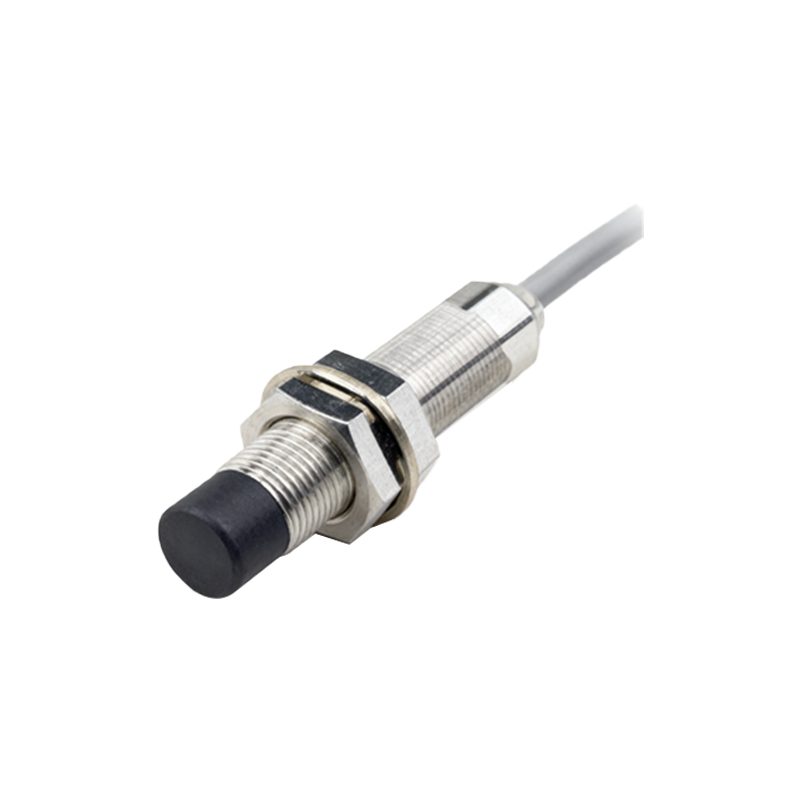
1. Through-Beam (Opposed Mode): This is the most robust and long-range configuration. The emitter and receiver are housed in separate units, facing each other. The emitter projects a continuous beam to the receiver. An object is detected when it breaks this beam, blocking the light from reaching the receiver. This mode offers the highest reliability for miss/detect applications and is effective even with dirty, shiny, or oddly shaped objects, as it doesn't rely on light reflecting back from the target itself.
2. Retro-Reflective Mode: Here, both emitter and receiver are housed in the same unit. The sensor faces a specialized reflector, often a corner-cube reflector that returns light directly to its source regardless of alignment. The sensor detects an object when it breaks the beam between the sensor and the reflector. This simplifies wiring compared to through-beam but requires a reflector. A key challenge is distinguishing a shiny object (like a metal can) from the reflector. Advanced models use polarized filters to solve this: the emitted light is polarized, and the reflector depolarizes it. The receiver only accepts depolarized light, so a shiny object that reflects polarized light back unchanged is ignored.
3. Diffuse Mode (Proximity Sensing): This is the true "proximity" sensor mode. Emitter and receiver are in the same unit, but there is no separate reflector. The sensor detects an object when the target itself reflects some of the emitted light back to the receiver. Detection depends on the object's distance, size, color, and surface texture. Light-colored, matte objects reflect well and are detected at longer ranges; dark, shiny, or absorbent objects are more challenging. This mode is used for direct object presence detection where mounting a reflector or separate receiver is impractical. Background Suppression and Fixed-Field are advanced diffuse techniques that use triangulation to detect only objects within a specific, defined distance zone, ignoring the background.
The choice of light source is critical. Red Visible LED is common, cost-effective, and allows for easy beam alignment. Infrared LED is used for longer ranges and is invisible, avoiding distraction. Laser Diode provides a precise, narrow beam for detecting very small objects or exact positioning.
Applications are vast. In manufacturing, they count bottles on a conveyor, detect the position of a robotic arm, or verify a label is present. In packaging, they ensure case flaps are open before filling. In automated doors, they provide safety beams. Their non-contact nature prevents wear and tear, and their fast response time handles high-speed production lines.
In summary, photoelectric proximity sensors translate the simple act of light being transmitted, blocked, or reflected into a reliable electrical signal. By mastering the differences between through-beam, retro-reflective, and diffuse modes, and understanding factors like modulation, polarization, and background suppression, engineers can deploy these sensors to solve an enormous array of detection challenges with precision and durability.