In the global trade landscape, accurate classification of goods using the Harmonized System (HS) code is paramount for smooth customs clearance, correct duty assessment, and compliance with international regulations. For importers, exporters, and manufacturers dealing with proximity sensors, understanding the correct HS code is a critical business function. This guide provides a detailed overview of HS code classification for proximity sensors, explaining the process, common codes, and key considerations.
The Harmonized System is a standardized numerical method developed by the World Customs Organization (WCO) to classify traded products. It is used by over 200 countries and economies as a basis for their customs tariffs and for collecting international trade statistics. An HS code typically consists of 6 digits, though countries may add additional digits for further specificity. The classification follows a logical structure: chapters (first two digits), headings (four digits), and subheadings (six digits or more).
Proximity sensors are non-contact devices that detect the presence or absence of an object within a specific range. They are widely used in industrial automation, automotive systems, consumer electronics, and safety applications. Their principle of operation—such as inductive, capacitive, ultrasonic, or photoelectric—plays a significant role in their classification.
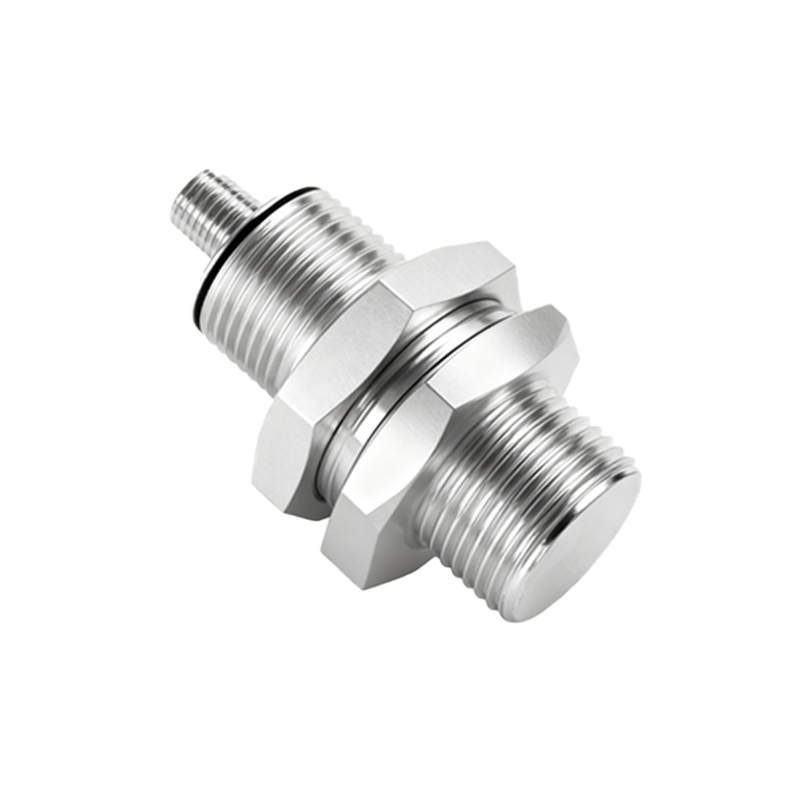
The classification of a proximity sensor under the HS code primarily depends on its function, working principle, and application. There is no single, universal "proximity sensor HS code." Instead, classification is determined by the sensor's specific characteristics. The most common chapter for electronic sensors and apparatus is Chapter 85: "Electrical machinery and equipment and parts thereof; sound recorders and reproducers, television image and sound recorders and reproducers, and parts and accessories of such articles."
Within Chapter 85, several headings are relevant:
Heading 8531: Electric sound or visual signalling apparatus. This may cover certain safety or alarm devices that incorporate proximity sensors.
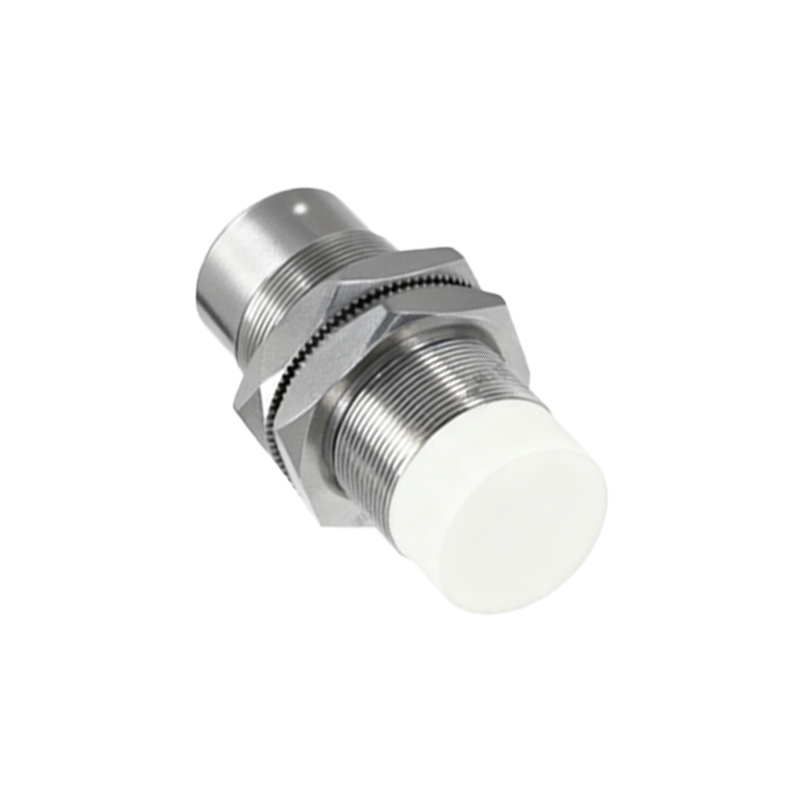
Heading 8536: Electrical apparatus for switching or protecting electrical circuits, or for making connections to or in electrical circuits. Proximity switches, a very common type, are often classified here. For instance, inductive proximity switches used to detect metal objects are frequently classified under 8536.50 - "Other apparatus for protecting electrical circuits." National subheadings may further specify "proximity switches."
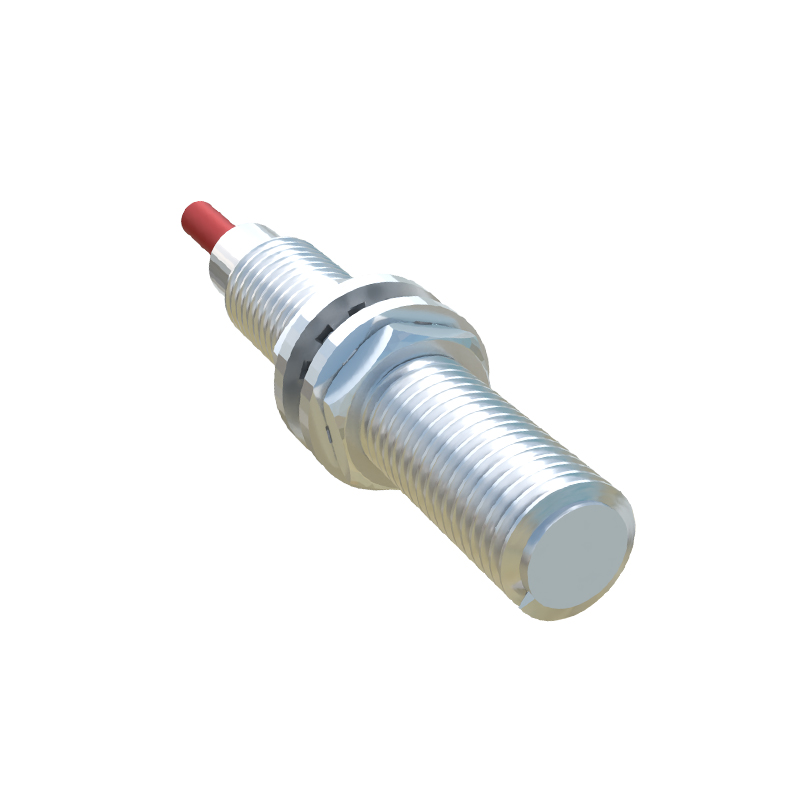
Heading 8543: Electrical machines and apparatus, having individual functions, not specified or included elsewhere in this Chapter. This is a broad "catch-all" heading for electrical devices with specific functions not covered more precisely elsewhere. Many standalone electronic sensors, including certain photoelectric or capacitive proximity sensors, find their classification under 8543.70 - "Other machines and apparatus." The specific description might be "electronic sensors" or similar.
It is crucial to note that a proximity sensor that is part of a larger machine or apparatus (e.g., built into an industrial robot or an automotive assembly line) may not be classified separately. Instead, the entire functional unit is classified under the HS code appropriate for the complete machine. This principle is known as classification by "essential character."
Several factors complicate the classification of proximity sensors. The distinction between a "switch" (Heading 8536) and an "apparatus with individual function" (Heading 8543) can be subtle and often depends on the sensor's output and complexity. A simple on/off output for circuit control leans toward 8536, while a sensor providing a scaled analog signal or digital data might be viewed as an apparatus under 8543. Additionally, a photoelectric sensor using a light beam could potentially be considered under Heading 9031 (Measuring or checking instruments) if its primary function is precise measurement rather than simple detection. Laser-based sensors often face this scrutiny.
National interpretations vary. While the first six digits are harmonized globally, countries add their own national tariff lines (e.g., 8, 10, or 12 digits). The description for the same 6-digit code can differ slightly between the United States (HTSUS), the European Union (TARIC), China, and other jurisdictions. Therefore, it is essential to consult the specific customs tariff of the country of import or export. Relying on a competitor's code or an online database without verification is a common and risky mistake.
To ensure correct classification, follow these steps:
1. Gather complete technical specifications for the sensor, including its working principle, function, output signal, and typical application.
2. Consult the official, updated customs tariff of the relevant country.
3. Apply the General Rules for the Interpretation of the Harmonized System (GRI) systematically, starting with the most specific description.
4. Review explanatory notes from the WCO and national customs authorities for guidance on ambiguous items.
5. When in doubt, seek a Binding Tariff Information (