Understanding Infrared Proximity Sensing Technology
Infrared proximity sensors operate by emitting an infrared light beam and detecting its reflection from a nearby object. The core principle involves measuring the intensity of the reflected IR light or the time-of-flight for the signal to return. This non-contact detection method is highly valued in industrial settings for its reliability, immunity to ambient audible noise, and ability to function in various environmental conditions. Key components include an IR LED emitter, a photodiode or phototransistor receiver, and specialized signal processing circuitry. The wavelength of the IR light, typically in the 850nm to 950nm range, is chosen to minimize interference from visible light while ensuring optimal performance for common materials.
Key Customization Parameters for Industrial Needs
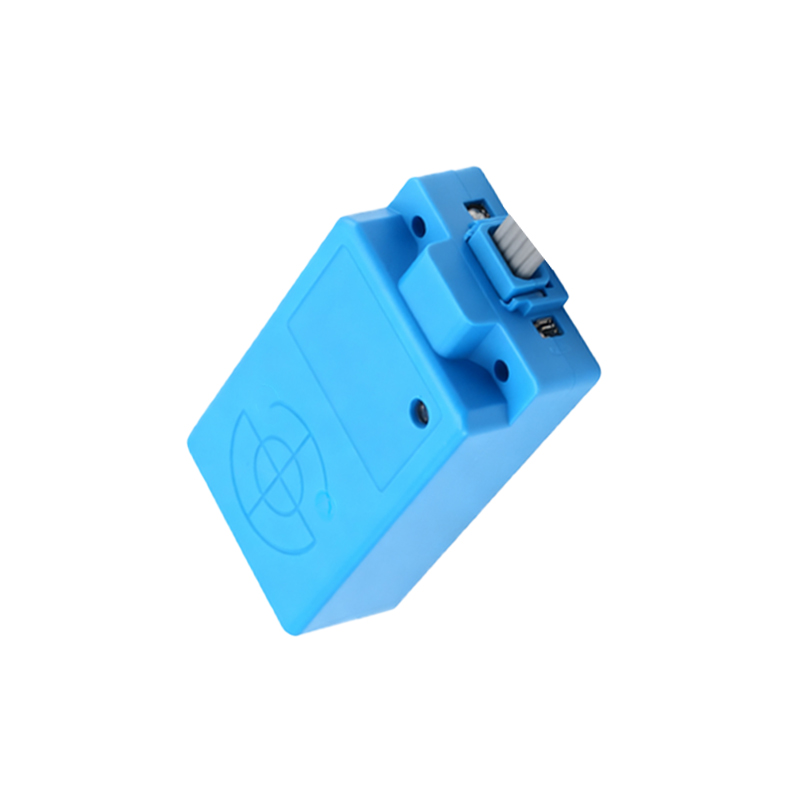
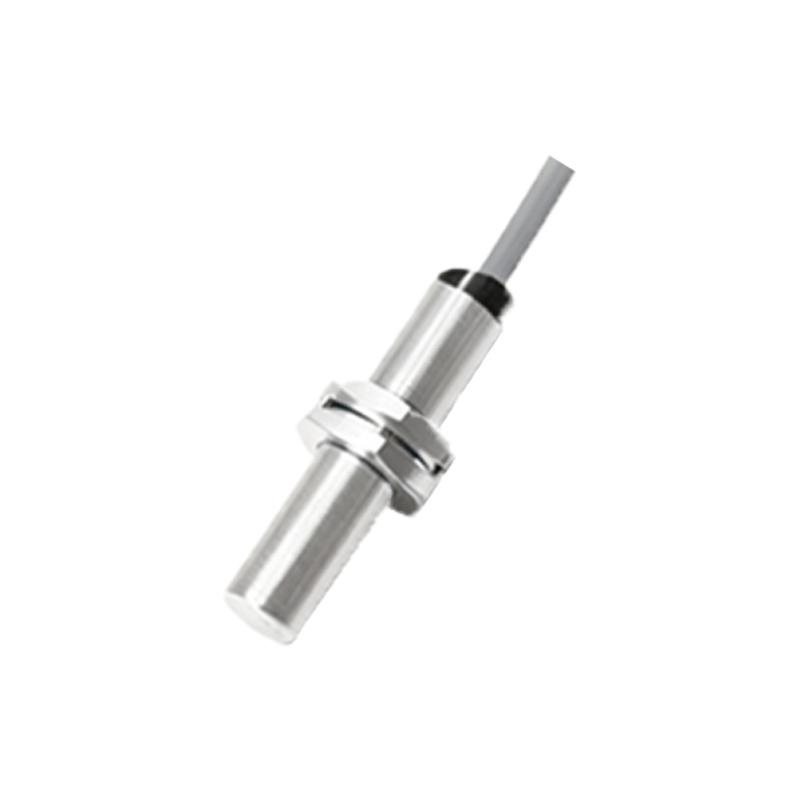
Off-the-shelf sensors often fall short of specific application demands, making customization essential. The primary parameters for tailoring include sensing range, response time, output type, and environmental robustness. Sensing range can be adjusted from a few millimeters to several meters by modifying the emitter power, receiver sensitivity, and optical lens design. Response time, critical for high-speed automation, is optimized through circuit design and filtering algorithms to eliminate false triggers. Output signals can be customized to provide analog voltage, current (4-20mA), or digital signals (PNP/NPN, IO-Link) to interface seamlessly with PLCs and controllers. Furthermore, housings are engineered from materials like stainless steel or specialized plastics to withstand extremes of temperature, humidity, and exposure to chemicals or washdowns.
Overcoming Application-Specific Challenges
Each industrial application presents unique challenges that require sensor customization. In automated packaging lines, sensors must reliably detect transparent films or glossy surfaces that poorly reflect IR light. This is addressed by customizing the modulation frequency and receiver angle to capture diffuse reflections. For AGVs (Automated Guided Vehicles) and robotics, sensors require precise short-range detection and immunity to cross-talk from other IR sources. Solutions involve coded pulsed IR emission and synchronized detection. In harsh environments like welding cells or foundries, sensors are customized with protective filters and cooling housings to resist spatter, dust, and high ambient temperatures. Power supply variations and electrical noise immunity are also critical design considerations, often necessitating custom shielding and voltage regulation circuits.
The Design and Prototyping Collaboration Process
Successful customization is a collaborative journey between the client's engineering team and the sensor manufacturer. The process typically begins with a detailed application requirement document (ARD) outlining the mechanical, electrical, and functional specifications. This is followed by a feasibility study and initial optical and electronic simulations. Rapid prototyping is a crucial phase, where multiple iterative prototypes are built and tested in real or simulated operating conditions. Clients are encouraged to provide feedback on form, fit, and function. This iterative cycle continues until the performance metrics are consistently met. The final stage involves design for manufacturability (DFM) analysis to ensure the custom sensor can be produced reliably at scale, followed by rigorous qualification testing for longevity and reliability.
Future Trends and Integration with Industry 4.0
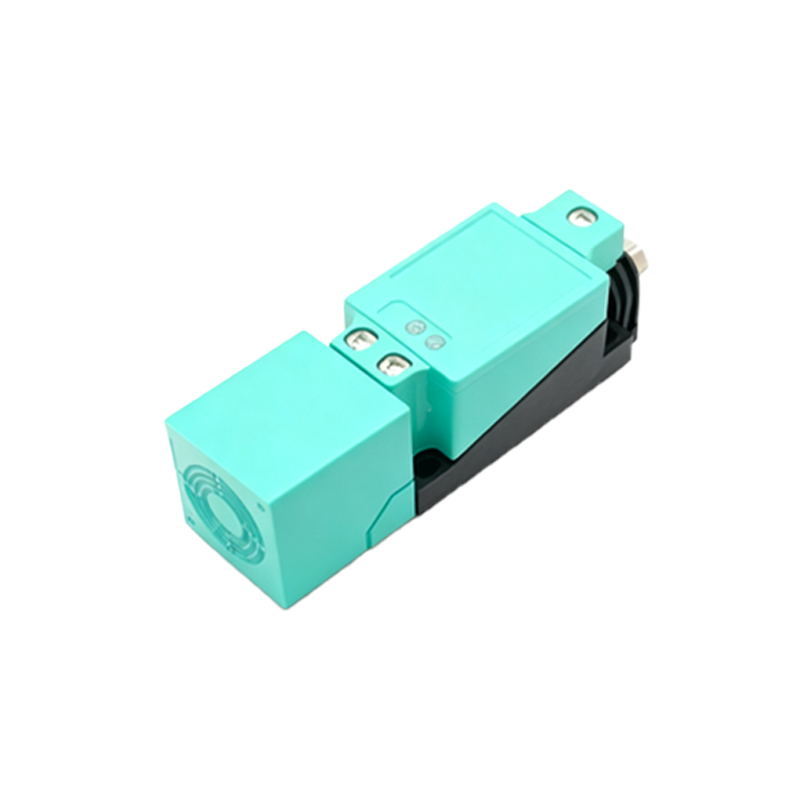
The future of custom IR proximity sensors is tightly linked to smart manufacturing and Industry 4.0. Modern custom sensors are increasingly being equipped with digital intelligence. This includes integrated microprocessors for onboard diagnostics, condition monitoring, and predictive maintenance alerts. Customization now often involves adding industrial communication protocols like IO-Link, which enables parameterization, real-time data exchange, and seamless integration into networked control systems. Furthermore, advancements in multi-pixel IR arrays and time-of-flight (ToF) technology are enabling custom solutions for more complex tasks like simple contour recognition or level sensing in bins. The trend is toward creating highly adaptive, data-rich sensing nodes that contribute to overall system intelligence and operational efficiency.