Introduction to Photoelectric Sensing Technology
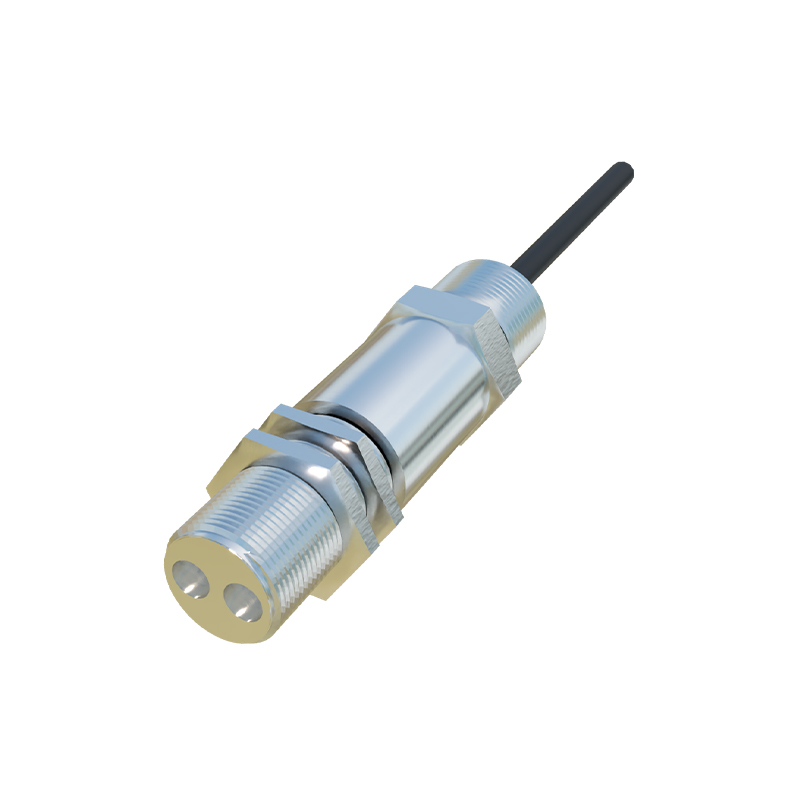
Photoelectric sensors are versatile devices that detect the presence, absence, or distance of objects using a light transmitter and receiver. They operate by emitting a beam of light—often infrared, visible, or laser—and measuring changes in the received light signal caused by an object interrupting or reflecting the beam. Common types include through-beam, retro-reflective, and diffuse reflective sensors, each suited for specific detection tasks. These sensors are valued for their non-contact operation, high speed, and reliability, making them indispensable in modern automation and control systems. Their ability to function in harsh environments and detect a wide range of materials, from metals to transparent plastics, further expands their utility across diverse sectors.
Manufacturing and Assembly Lines
In manufacturing, photoelectric sensors play a critical role in automating production processes. They are used for precise object detection on conveyor belts, ensuring components are correctly positioned for assembly or packaging. For instance, through-beam sensors can count items as they pass, while diffuse sensors verify the presence of parts before robotic arms engage. In automotive assembly, sensors detect vehicle frames to coordinate welding or painting robots, enhancing efficiency and reducing errors. Their high response speed allows for real-time monitoring, which is essential in high-volume production environments where even minor delays can lead to significant losses.
Packaging and Material Handling
The packaging industry relies heavily on photoelectric sensors to streamline operations. Sensors detect labels, monitor fill levels in containers, and ensure proper sealing of packages. In material handling systems, they facilitate sorting by identifying items based on size or color, directing them to appropriate lanes via conveyor systems. For example, retro-reflective sensors can sense transparent films or bottles, preventing jams in packaging machinery. This application not only boosts throughput but also minimizes waste by ensuring accurate packaging, which is crucial in industries like food and pharmaceuticals where compliance with safety standards is paramount.
Automotive and Transportation Systems
Photoelectric sensors contribute to safety and efficiency in automotive and transportation. In vehicles, they are integrated into advanced driver-assistance systems (ADAS) for functions like parking assistance and collision avoidance by detecting obstacles. On roads, sensors monitor traffic flow at intersections, controlling signal timings to reduce congestion. In public transit, they automate door operations by sensing passengers, enhancing accessibility. Additionally, in logistics, sensors track cargo in warehouses and during loading, improving inventory management and reducing manual labor. Their durability in outdoor conditions makes them ideal for these demanding applications.
Food and Beverage Processing
Hygiene and accuracy are vital in food and beverage processing, where photoelectric sensors excel. They detect containers on filling lines, ensuring precise volumes of liquids or solids are dispensed. Sensors with washdown designs withstand frequent cleaning, preventing contamination in sanitary environments. For quality control, they identify defects like broken seals or misaligned labels on products. In bottling plants, through-beam sensors verify cap placement, while diffuse sensors check for empty bottles. This helps maintain high production standards and compliance with industry regulations, ultimately safeguarding consumer health and reducing recall risks.
Pharmaceutical and Medical Devices
In pharmaceuticals, photoelectric sensors ensure precision in manufacturing and packaging of medicines. They monitor tablet counting, vial filling, and blister packaging, minimizing errors in dosage. Sterility is critical, so sensors used in cleanrooms are designed to resist chemicals and particulates. In medical devices, sensors enable non-invasive diagnostics, such as in blood analyzers that detect sample levels. They also assist in automated dispensing systems in hospitals, improving medication management. Their reliability supports stringent quality assurance protocols, which are essential for patient safety and regulatory approval in this highly regulated sector.
Electronics and Semiconductor Production
The electronics industry demands extreme precision, and photoelectric sensors meet this need by detecting miniature components on circuit boards. They align wafers in semiconductor fabrication, ensuring accurate patterning during lithography. Sensors with high-resolution capabilities identify defects in microchips, enhancing yield rates. In assembly lines, they verify the placement of connectors or screens in devices like smartphones. Their non-contact nature prevents damage to delicate parts, while fast response times support high-speed production. This application is key to maintaining the miniaturization and performance trends in consumer electronics and computing.
Agriculture and Environmental Monitoring
Photoelectric sensors are increasingly used in agriculture for automation and resource management. They detect crop levels in harvesting equipment, optimizing yield and reducing waste. In greenhouses, sensors monitor plant growth by measuring light exposure, aiding in controlled environment agriculture. For environmental monitoring, they assess air quality by detecting particulates or gauge water levels in reservoirs. Solar-powered sensors enable remote operation in fields, supporting sustainable practices. This technology helps farmers increase efficiency and adapt to climate challenges, contributing to food security and ecological conservation efforts globally.
Future Trends and Innovations
Advancements in photoelectric sensors focus on enhancing connectivity and intelligence. Integration with the Internet of Things (IoT) allows sensors to transmit data to cloud systems for predictive maintenance and analytics. Smart sensors with embedded processors can self-calibrate or adapt to changing conditions, reducing downtime. Innovations in light sources, such as LED and laser diodes, improve energy efficiency and detection ranges. Additionally, miniaturization enables new applications in wearable devices or robotics. As industries embrace Industry 4.0, photoelectric sensors will evolve to support more autonomous, data-driven operations, driving further innovation across sectors.