Introduction to Photoelectric Sensors
Photoelectric sensors are pivotal components in modern elevator systems, serving as the eyes of the control mechanism. These devices operate by emitting a light beam—typically infrared, visible, or laser—and detecting changes in the received light to sense the presence, absence, or position of objects. In elevators, they are integral to ensuring smooth operation, passenger safety, and energy efficiency. By providing non-contact detection, photoelectric sensors minimize wear and tear, offering a reliable solution for high-traffic environments. Their adaptability allows integration into various elevator designs, from low-rise residential lifts to high-speed commercial installations, making them a cornerstone of vertical transportation technology.
Working Principle and Types
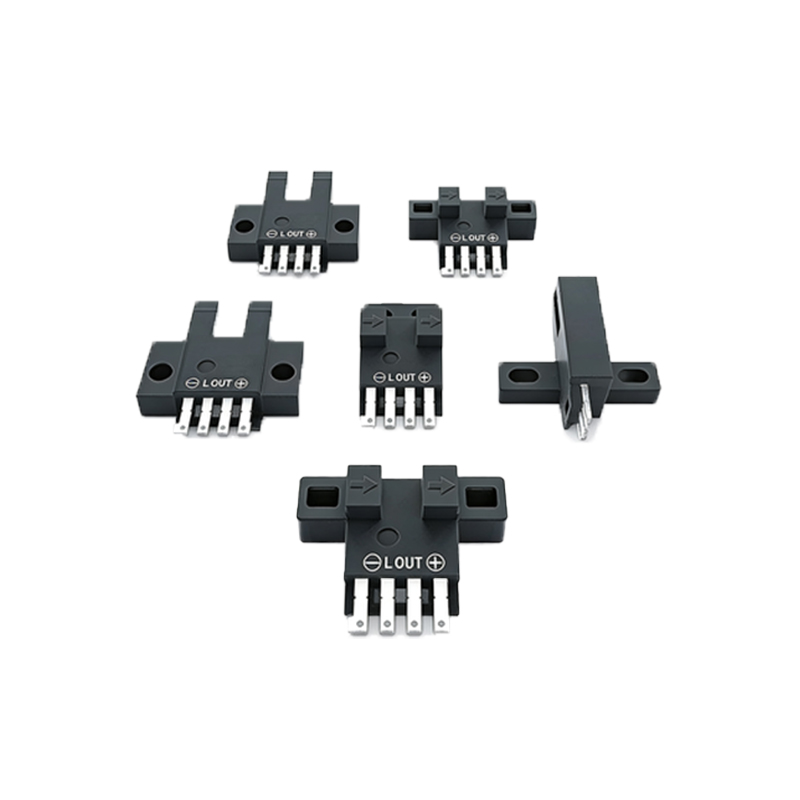
The fundamental operation of photoelectric sensors involves a transmitter and a receiver. The transmitter emits a light beam, which, when interrupted or reflected by an object, triggers a signal in the receiver. This signal is then processed by the elevator's control unit to initiate actions such as door opening or closing. There are three primary types used in elevators: through-beam, retro-reflective, and diffuse reflective sensors. Through-beam sensors consist of separate units for transmission and reception, offering long-range detection and high accuracy, ideal for monitoring elevator shaft positions. Retro-reflective sensors use a reflector to bounce light back to the receiver, suitable for door safety edges. Diffuse reflective sensors detect objects by reflecting light directly off them, commonly used for passenger presence detection in cabins. Each type is selected based on specific application needs, ensuring optimal performance.
Applications in Elevator Safety
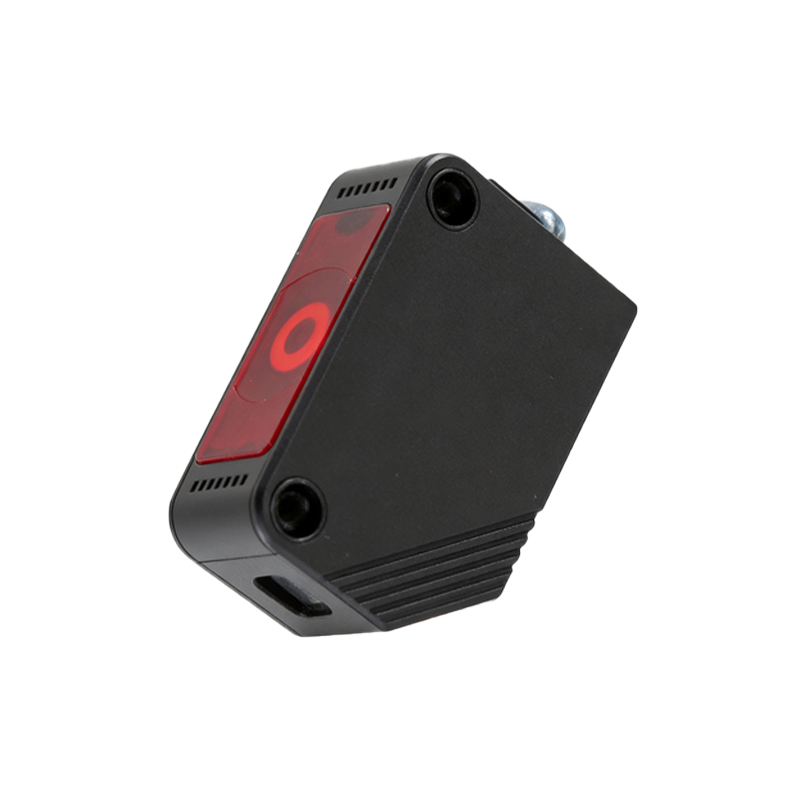
Safety is paramount in elevator design, and photoelectric sensors play a critical role in mitigating risks. They are extensively employed in door safety systems to prevent entrapment or injury. For instance, sensors installed on elevator doors create an invisible curtain of light; if a passenger or object breaks this beam during closing, the doors automatically reopen, avoiding collisions. Additionally, these sensors monitor car position within the shaft, preventing overtravel or misalignment that could lead to accidents. In emergency scenarios, such as fire or power failure, photoelectric sensors assist in guiding elevators to designated floors safely. By providing real-time feedback, they enhance compliance with international safety standards like EN 81, ensuring elevators operate reliably under diverse conditions.
Improving Operational Efficiency
Beyond safety, photoelectric sensors contribute significantly to elevator efficiency. They optimize door operation by detecting passenger flow, reducing idle time and energy consumption. For example, in busy office buildings, sensors can adjust door hold times based on traffic patterns, minimizing delays and improving throughput. Moreover, they aid in predictive maintenance by monitoring component wear, such as detecting misalignments in pulley systems before failures occur. This proactive approach reduces downtime and extends equipment lifespan. In smart elevators, integrated with IoT networks, photoelectric sensors provide data analytics for energy management, enabling features like demand-based lighting and ventilation. As a result, building operators can achieve lower operational costs and enhanced sustainability.
Installation and Maintenance Considerations
Proper installation and maintenance are essential for maximizing the benefits of photoelectric sensors in elevators. During installation, factors like alignment, environmental conditions, and interference must be carefully assessed. Sensors should be positioned to avoid direct sunlight or harsh lighting, which can cause false triggers. Regular cleaning of lenses and reflectors is necessary to prevent dust accumulation that might impair sensitivity. Maintenance schedules should include calibration checks to ensure accurate detection ranges, especially in high-vibration environments. Technicians must follow manufacturer guidelines and use compatible components to avoid compatibility issues. With routine inspections, photoelectric sensors can maintain high reliability, supporting uninterrupted elevator service and reducing long-term repair expenses.
Future Trends and Innovations
The evolution of photoelectric sensors in elevators is driven by advancements in technology. Emerging trends include the integration of AI and machine learning for smarter detection capabilities, such as distinguishing between passengers and objects to reduce false alarms. Miniaturization allows for more compact sensor designs, facilitating installation in space-constrained areas. Additionally, the adoption of LiDAR-based sensors offers enhanced precision for 3D mapping of elevator cabins, improving accessibility features for disabled users. Wireless sensor networks are gaining traction, simplifying wiring and enabling easier retrofits in older systems. As elevators become more connected in smart cities, photoelectric sensors will likely play a key role in enabling autonomous operation and real-time monitoring, paving the way for next-generation vertical mobility solutions.