Introduction to Photoelectric Sensors in Currency Counting
Photoelectric sensors are critical components in modern currency counters, enabling accurate and efficient detection of banknotes. These sensors operate by emitting light beams and measuring reflections or interruptions to identify features like thickness, size, and authenticity. In currency counters, they are strategically placed to ensure precise counting and counterfeit detection. Understanding their location helps in troubleshooting and maintenance, which is essential for businesses relying on these machines for daily transactions. This article delves into the specific placements of photoelectric sensors within currency counters, explaining their roles and common issues.
Primary Locations of Photoelectric Sensors
In most currency counters, photoelectric sensors are found in key areas along the note path. The first common location is near the feeding mechanism, where sensors detect the entry of each banknote. These sensors ensure that notes are fed singly to prevent jams or double counts. Another critical placement is within the counting module, where sensors monitor the passage of notes through rollers and belts. Here, they track the movement and speed, contributing to accurate tallying. Additionally, sensors are often positioned in the stacking area to confirm that notes have been properly collected and to signal the end of a batch.
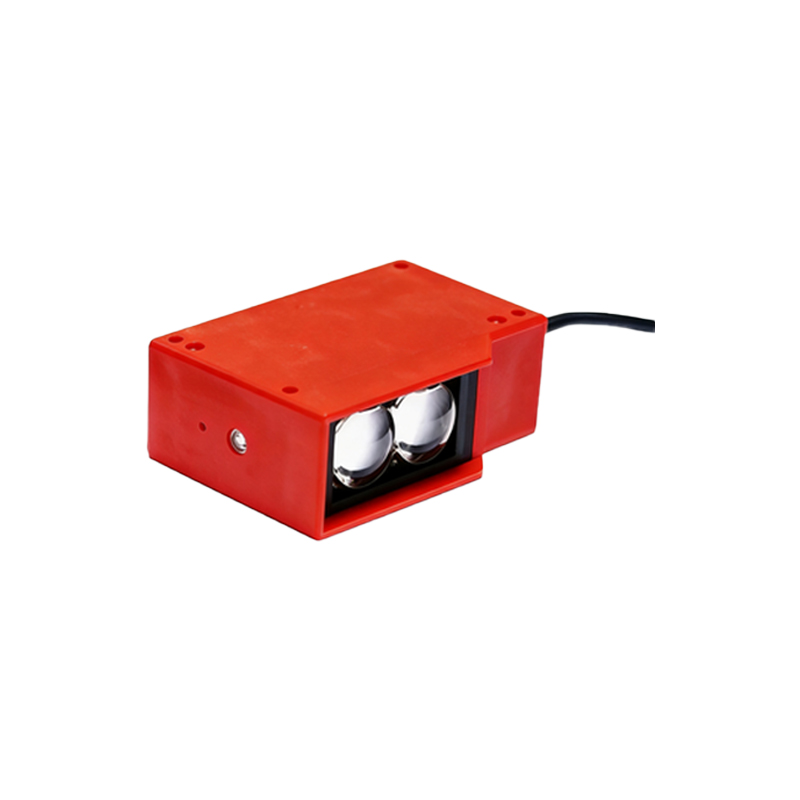
Sensor Placement for Counterfeit Detection
Advanced currency counters integrate photoelectric sensors in specialized sections for counterfeit detection. These sensors are typically located in modules that analyze ultraviolet (UV), magnetic (MG), or infrared (IR) properties of banknotes. For instance, UV sensors emit ultraviolet light to detect security features like fluorescent threads, while IR sensors assess ink patterns that are invisible under normal light. These sensors are usually clustered in a detection unit between the counting and stacking areas, allowing for real-time analysis without slowing down the counting process. Their precise alignment is crucial for minimizing false positives and ensuring reliable fraud prevention.
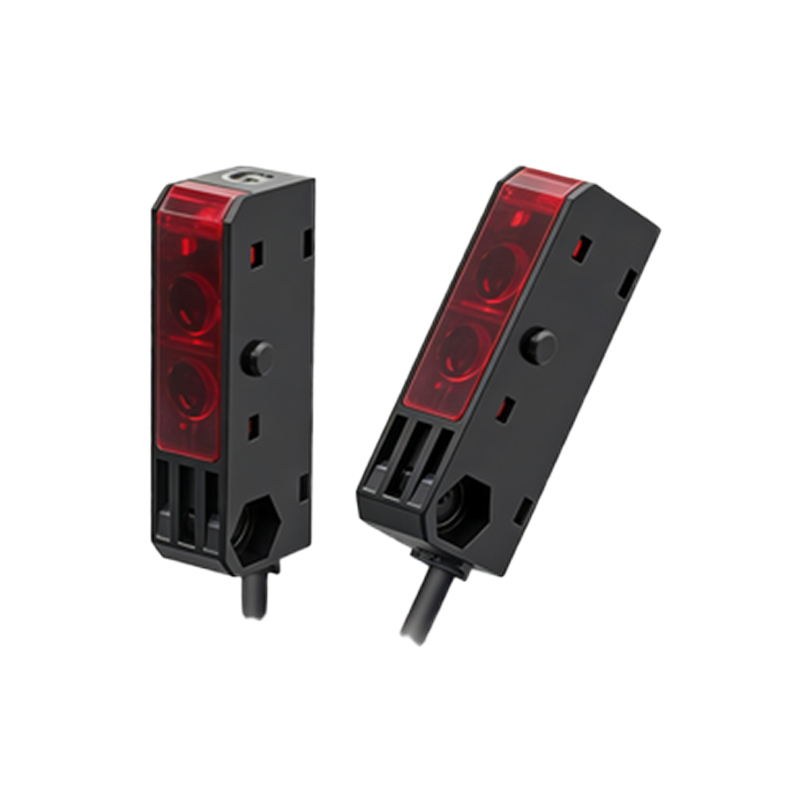
Role of Sensors in Thickness and Double-Note Detection

Photoelectric sensors also play a vital role in detecting double notes or abnormal thickness, which can indicate errors or counterfeit bills. These sensors are often placed in pairs or arrays along the note path, particularly after the feeding zone. By measuring the shadow or light blockage caused by passing notes, they can identify overlaps or variations in thickness. If an anomaly is detected, the machine may halt or eject the suspect note. This placement helps maintain accuracy in high-speed counting environments, reducing the risk of financial discrepancies.
Maintenance and Troubleshooting Tips
Knowing where photoelectric sensors are located aids in routine maintenance and troubleshooting. Common issues include dust accumulation on sensor lenses, misalignment, or wear from prolonged use. To address these, regularly clean the sensor areas with a soft cloth and compressed air, especially around the feeding and counting modules. Check for obstructions in the note path that might block sensor beams. If counting errors persist, inspect the sensor connections and consult the machine’s manual for calibration procedures. Proper care extends the lifespan of sensors and ensures consistent performance.
Conclusion and Best Practices
Photoelectric sensors are integral to the functionality of currency counters, positioned strategically from feeding to stacking stages. Their locations optimize counting accuracy, counterfeit detection, and error prevention. For optimal operation, users should familiarize themselves with these placements, adhere to regular maintenance schedules, and seek professional servicing when needed. By understanding sensor roles and positions, businesses can enhance reliability and efficiency in currency handling, supporting seamless financial operations.