Introduction to the Photoelectric Sensor Landscape
The global industrial automation sector is undergoing a profound transformation, driven by the relentless pursuit of efficiency, precision, and connectivity. At the heart of this evolution lies the photoelectric sensor, a versatile and critical component for non-contact detection, measurement, and positioning. As we look toward the next several years, the market for these devices is poised for significant expansion, fueled by technological convergence and emerging industrial paradigms. This article explores the key trends, drivers, and growth projections shaping the future of the photoelectric sensor market.
Key Market Drivers and Growth Catalysts
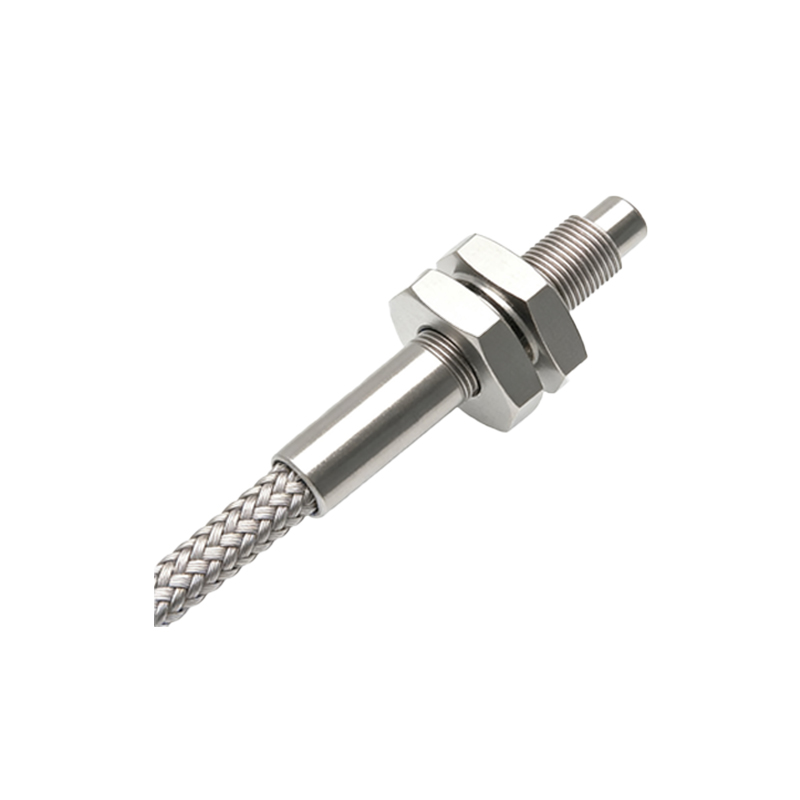
Several powerful forces are converging to propel the photoelectric sensor market forward. The primary catalyst remains the accelerated adoption of Industry 4.0 and smart factory concepts. These frameworks demand a high degree of data acquisition and machine-to-machine communication, for which photoelectric sensors are fundamental data points. Their ability to provide reliable, real-time feedback on object presence, distance, and characteristics is indispensable for automated guided vehicles (AGVs), robotic arms, and complex assembly lines. Furthermore, the rising emphasis on quality control and traceability across sectors like food & beverage, pharmaceuticals, and packaging necessitates advanced sensing solutions that photoelectric sensors readily provide. The push for energy efficiency and the miniaturization of electronic devices also create new, demanding applications where precise, compact sensors are required.
Technological Advancements and Innovation Trends
Innovation in photoelectric sensor technology is rapid and multifaceted. A dominant trend is the integration of advanced functionalities and intelligence directly into the sensor housing. We are witnessing a shift from simple binary output devices to smart sensors equipped with IO-Link communication. This standard allows for parameter setting, remote diagnostics, and process data monitoring, significantly reducing downtime and enabling predictive maintenance. Another significant advancement is in the area of background suppression and true color detection. Newer models offer superior performance in challenging environments, reliably distinguishing targets from complex backgrounds or detecting specific colors, which is crucial for sorting and quality inspection tasks. Additionally, the development of laser-based sensors with finer beam spots and longer ranges is opening new possibilities in precision measurement and alignment applications.
Emerging Application Sectors
While traditional manufacturing remains a stronghold, new application sectors are emerging as substantial growth areas. The logistics and e-commerce warehouse automation boom is a major contributor. Photoelectric sensors are critical for parcel dimensioning, sortation systems, and inventory management within these highly automated fulfillment centers. The electric vehicle (EV) and battery manufacturing ecosystem presents another high-growth frontier. The precise and clean nature of photoelectric sensing is ideal for battery cell handling, electrode inspection, and assembly processes where contamination or physical contact must be avoided. Furthermore, the agricultural technology (AgriTech) sector is increasingly utilizing these sensors for automated harvesting, plant health monitoring, and precision spraying, driving demand for ruggedized models capable of withstanding outdoor conditions.
Regional Market Dynamics and Projections
Geographically, the Asia-Pacific region is expected to maintain its dominance in the photoelectric sensor market, led by China, Japan, and South Korea. This is attributed to the dense concentration of manufacturing facilities, strong government initiatives promoting industrial automation, and the presence of leading sensor manufacturers. North America and Europe are also projected to show robust growth, supported by technological leadership, high investments in modernizing existing industrial infrastructure, and stringent safety and quality regulations that mandate reliable sensing. Markets in Latin America and the Middle East & Africa are anticipated to exhibit gradual but steady growth as industrialization efforts progress.
Challenges and Competitive Landscape
Despite the optimistic outlook, the market faces certain challenges. Price sensitivity, especially in cost-driven manufacturing environments, can hinder the adoption of advanced, feature-rich sensors. Intense competition among established global players and regional manufacturers keeps pricing pressures high. Furthermore, the need for specialized technical knowledge to install, configure, and maintain increasingly complex sensor systems can be a barrier for some end-users. The competitive landscape is characterized by continuous product development, strategic partnerships with automation solution providers, and a focus on providing comprehensive application support. Leading companies are competing not just on product specifications, but on the ability to deliver complete sensing solutions tailored to specific industry pain points.
Conclusion and Future Outlook
The future of the photoelectric sensor market is intrinsically linked to the broader trajectory of industrial digitization. Over the next five to seven years, growth will be sustained by the irreversible trends of automation, connectivity, and data-driven decision-making. Sensors will become even more intelligent, compact, and integrated into the industrial IoT fabric. The convergence of sensing with artificial intelligence for edge-based decision-making represents the next frontier. Ultimately, photoelectric sensors will evolve from mere detection devices into critical sources of actionable intelligence, solidifying their role as indispensable components in the factories and supply chains of the future. Their market journey is one of continuous adaptation and deepening integration within an increasingly automated world.