Introduction to 3-Wire M6 Proximity Sensors
The 3-wire M6 proximity switch sensor represents a cornerstone of modern industrial automation, offering reliable, non-contact detection of metallic objects. Characterized by its compact M6 threaded barrel housing, this sensor type is engineered for installations where space is at a premium. The "3-wire" designation indicates a configuration that includes power (V+), ground (V-), and a switched output signal wire, typically compatible with standard DC sourcing (PNP) or sinking (NMP) logic. These sensors are predominantly inductive, generating an electromagnetic field to detect the presence of ferrous and non-ferrous metals without physical contact, thereby eliminating mechanical wear and enabling high-speed operation. Their robustness makes them indispensable in harsh manufacturing environments, including machining centers, packaging lines, and robotic assembly cells.
Electrical Wiring and Configuration
Correct wiring is paramount for the safe and effective operation of a 3-wire M6 proximity sensor. The standard color coding for DC sensors is brown for positive voltage supply (V+), blue for negative/common (V-), and black for the output signal. For a PNP (sourcing) sensor, the black wire switches the positive voltage to the load when a target is detected. Conversely, an NPN (sinking) sensor switches the negative path. The M6 sensor typically operates on a wide range of DC voltages, commonly 10-30V DC, ensuring compatibility with most programmable logic controller (PLC) and relay input modules. It is critical to consult the manufacturer's datasheet for the specific model, as wire colors and voltage tolerances can vary. Proper shielding and routing away from power cables are recommended to prevent electrical noise interference.
Key Technical Specifications and Sensing Range
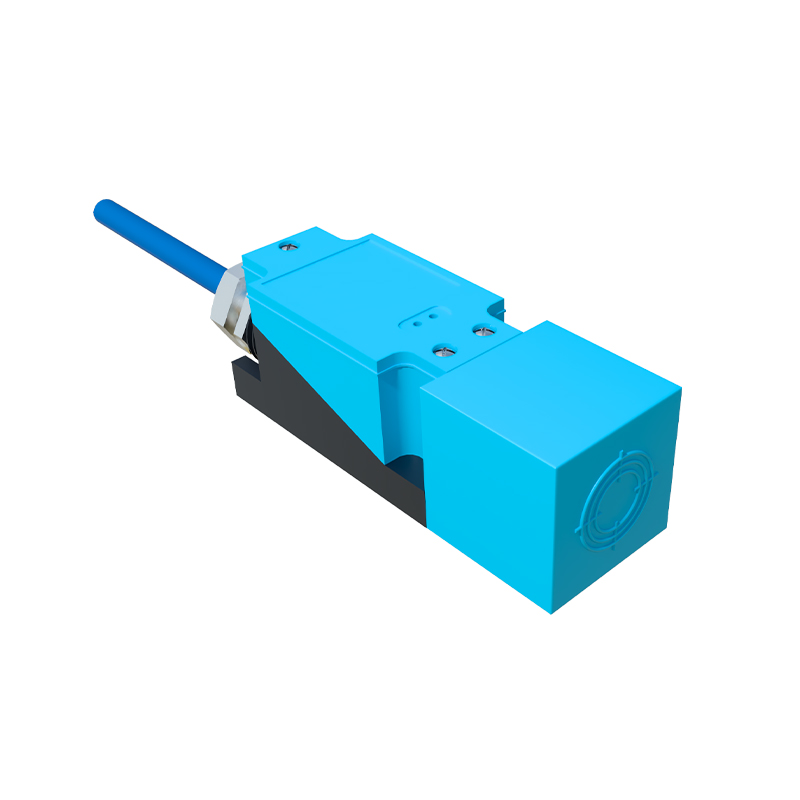
The performance of an M6 proximity sensor is defined by its technical specifications. The nominal sensing distance for a standard M6 inductive sensor is typically 1.5mm to 2mm, though factors like target material, size, and temperature can influence this value. Key parameters include switching frequency (how many times per second it can detect an object), hysteresis (the difference between switch-on and switch-off points for stability), and repeat accuracy. Housing material is usually nickel-plated brass or stainless steel, providing resistance to coolants and oils. Many models feature built-in LED status indicators for diagnostic purposes. Understanding these specs is essential for selecting the right sensor to avoid false triggers or missed detections in high-precision applications such as position verification or part counting.
Installation Considerations and Mounting
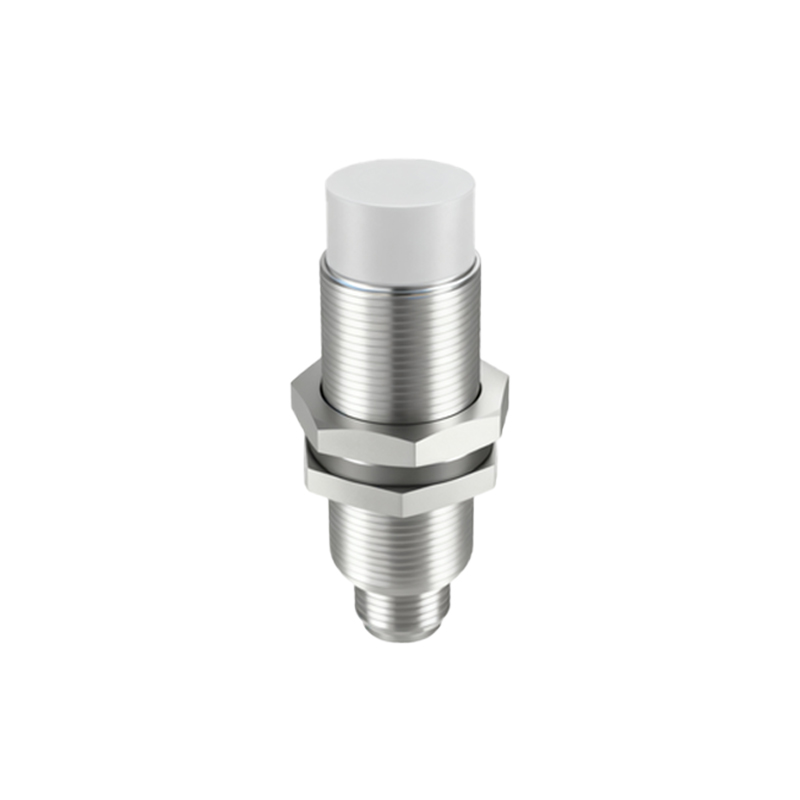
The compact M6 thread allows for easy installation in drilled and tapped holes. However, precise mounting is crucial for optimal performance. The sensor should be mounted flush in a metal bracket whenever possible. If non-metallic mounting is necessary, maintaining the recommended clearance around the sensing face is vital to prevent a reduction in the effective sensing range. The sensing face must be positioned parallel to the target's approach path for maximum reliability. Engineers must also account for mutual interference when installing multiple sensors in close proximity; maintaining a minimum distance between adjacent sensors, as specified in the manual, prevents them from affecting each other's electromagnetic fields. Proper sealing, often rated IP67 or higher, ensures reliable operation in environments with dust or washdown procedures.
Application Examples in Industrial Automation
The versatility of the 3-wire M6 proximity sensor lends itself to countless applications. A primary use is end-of-travel detection on pneumatic cylinders, where the sensor detects the piston's position via a built-in magnet or a metal flag. In conveyor systems, they are used for small-part detection, jam detection, or to initiate a process when a part arrives at a workstation. Within rotary machinery, they serve as zero-point or speed detection sensors by sensing teeth on a gear or slots on a encoder wheel. Their fast response time makes them ideal for high-speed counting tasks in bottling or pharmaceutical packaging. The non-contact nature also makes them perfect for detecting fragile or delicate objects that could be damaged by mechanical limit switches.
Troubleshooting and Maintenance Best Practices
While highly reliable, M6 proximity sensors can experience issues. Common problems include failure to detect a target, constant activation, or intermittent operation. A systematic troubleshooting approach begins with checking the power supply voltage at the sensor's terminals. Next, verify the output state with a multimeter or the sensor's indicator LED when a target is presented. Ensure the target material and size are within specifications and that no debris is obstructing the sensing face. Environmental factors like excessive heat, strong magnetic fields, or metal chips accumulating near the sensor can cause malfunctions. Preventive maintenance involves regular visual inspections for physical damage and cleaning the sensing