Introduction to Proximity Sensors in Servo Systems
Proximity sensors are critical components in modern servo motor applications, providing non-contact detection of objects within a specified range. These sensors enhance the precision, efficiency, and safety of automated systems by accurately monitoring the position, speed, and alignment of servo motors. Unlike mechanical switches, proximity sensors operate without physical contact, reducing wear and tear and minimizing maintenance needs. In industrial settings, they are commonly used for tasks such as limit switching, object detection, and rotational speed measurement. The integration of proximity sensors with servo motors ensures smooth operation in robotics, CNC machinery, and conveyor systems, where real-time feedback is essential for optimal performance.
Types of Proximity Sensors for Servo Motors
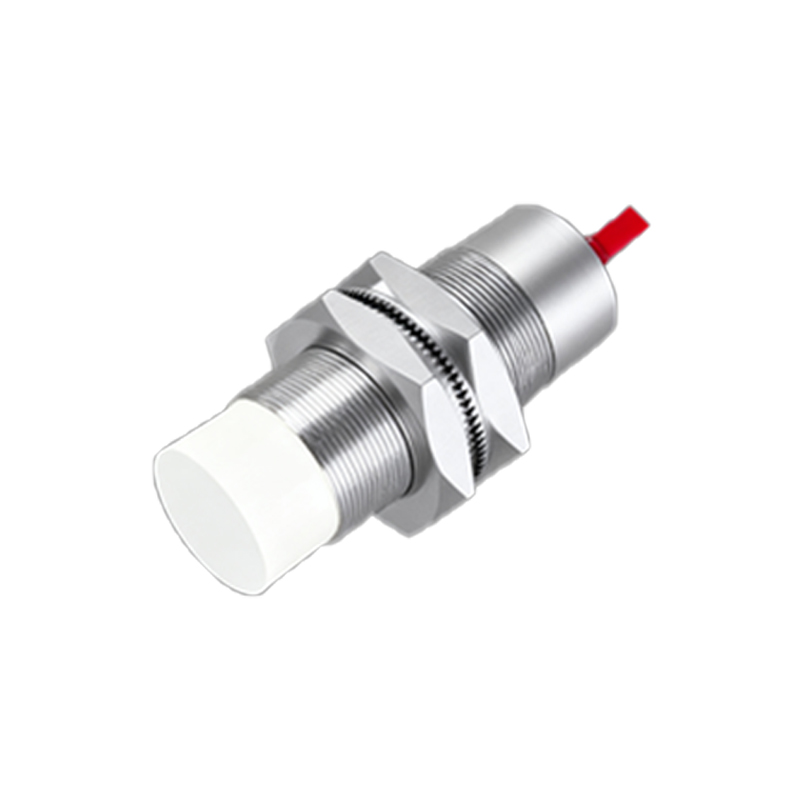
Several types of proximity sensors are employed in servo motor systems, each suited to specific environmental and operational requirements. Inductive proximity sensors detect metallic objects using electromagnetic fields, making them ideal for detecting motor components like gears or shafts in harsh industrial conditions. Capacitive proximity sensors can sense both metallic and non-metallic materials, such as plastics or liquids, by measuring changes in capacitance, useful in diverse manufacturing processes. Ultrasonic proximity sensors use sound waves to detect objects over longer distances, offering high accuracy in positioning applications. Photoelectric sensors, utilizing light beams, are effective for detecting small or transparent objects, often applied in cleanroom environments. Selecting the appropriate sensor type depends on factors like target material, sensing distance, and environmental interference.
Key Benefits of Using Proximity Sensors
Integrating proximity sensors with servo motors delivers numerous advantages that boost system reliability and productivity. First, they provide high-speed detection with response times in milliseconds, enabling rapid feedback for precise motor control. This reduces downtime and enhances cycle times in automated processes. Second, their non-contact nature eliminates mechanical friction, leading to longer lifespan and lower maintenance costs compared to traditional switches. Third, proximity sensors offer excellent repeatability and accuracy, ensuring consistent performance in repetitive tasks like assembly or packaging. Additionally, they are resistant to environmental factors such as dust, moisture, and temperature variations, making them suitable for demanding industrial applications. By improving safety through collision avoidance and fault detection, these sensors contribute to overall operational efficiency.
Installation and Calibration Best Practices
Proper installation and calibration are essential for maximizing the effectiveness of proximity sensors in servo motor systems. During installation, ensure the sensor is mounted securely and aligned correctly with the target object to avoid false triggers or missed detections. Maintain an appropriate sensing distance, as specified by the manufacturer, to prevent interference from nearby metallic objects or electrical noise. For inductive sensors, consider the target material's properties, such as size and composition, to optimize sensitivity. Calibration involves adjusting the sensor's threshold levels to match the application's requirements, using tools like oscilloscopes or diagnostic software. Regular testing under operational conditions helps verify performance, and periodic maintenance, including cleaning and inspection, ensures long-term reliability. Following these practices minimizes errors and enhances system integration.
Common Applications in Industrial Automation
Proximity sensors play a vital role in various industrial automation scenarios involving servo motors. In robotics, they are used for end-effector positioning and collision detection, allowing robots to perform delicate tasks with high precision. In CNC machines, sensors monitor tool position and workpiece alignment, ensuring accurate machining operations. Conveyor systems utilize proximity sensors to track product movement and control servo-driven actuators for sorting or packaging. Additionally, in automotive manufacturing, these sensors assist in assembly line processes, such as verifying component placement or measuring rotational speeds. Other applications include printing machinery for paper feed control and medical devices for precise motion feedback. By enabling automated feedback loops, proximity sensors help achieve seamless coordination in complex systems.
Future Trends and Innovations
The future of proximity sensors for servo motors is shaped by advancements in technology and increasing demand for smart automation. Emerging trends include the development of miniaturized sensors with enhanced sensitivity, allowing for integration into compact servo systems without sacrificing performance. Wireless proximity sensors are gaining popularity, offering flexibility in installation and reducing wiring complexity in large-scale setups. The integration of IoT (Internet of Things) capabilities enables real-time data monitoring and predictive maintenance, where sensors can alert operators to potential failures before they occur. Furthermore, improvements in materials and design are leading to sensors with higher resistance to extreme conditions, such as high temperatures or corrosive environments. As Industry 4.0 evolves, proximity sensors will continue to play a key role in enabling adaptive, efficient, and interconnected industrial ecosystems.