Introduction to Stand-Alone Amplifier Photoelectric Sensors
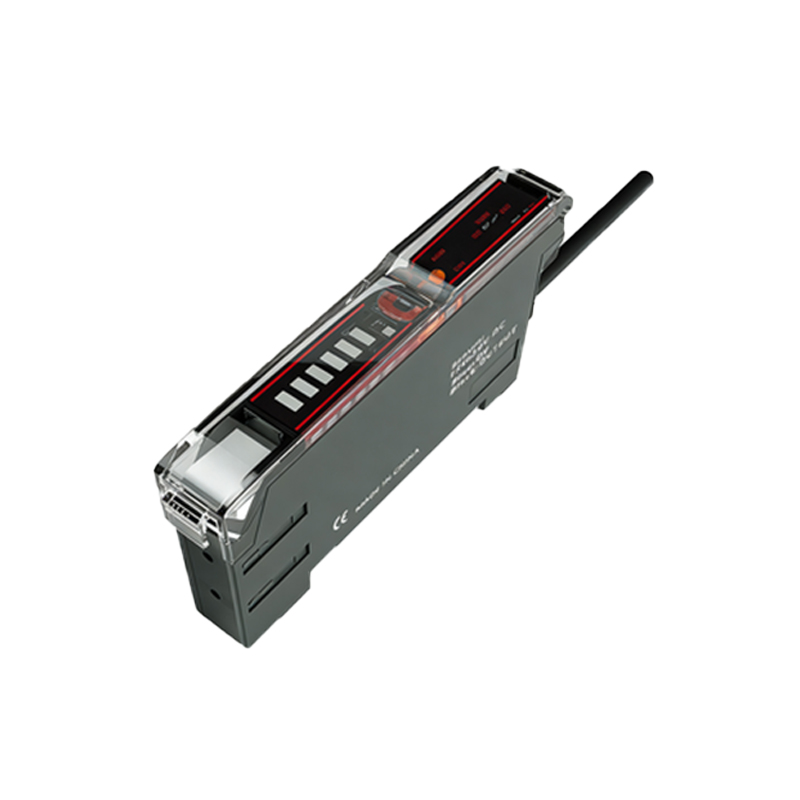
In the realm of industrial automation, precision and reliability are paramount. Stand-alone amplifier photoelectric sensors represent a critical component in achieving these goals. Unlike integrated or built-in amplifier types, these sensors feature a physically separate amplifier unit. This design offers unparalleled flexibility in installation and configuration, allowing engineers to place the sensing head in optimal locations while mounting the amplifier in a more accessible or protected environment. The core principle remains the same: they emit a beam of light—visible red, infrared, or laser—and detect changes in the received light to sense the presence, absence, or position of an object. The stand-alone amplifier processes this signal and provides a clear, robust output, typically in the form of a relay or solid-state switch, ready to interface with PLCs, controllers, or other machinery.
Key Advantages and Operational Benefits
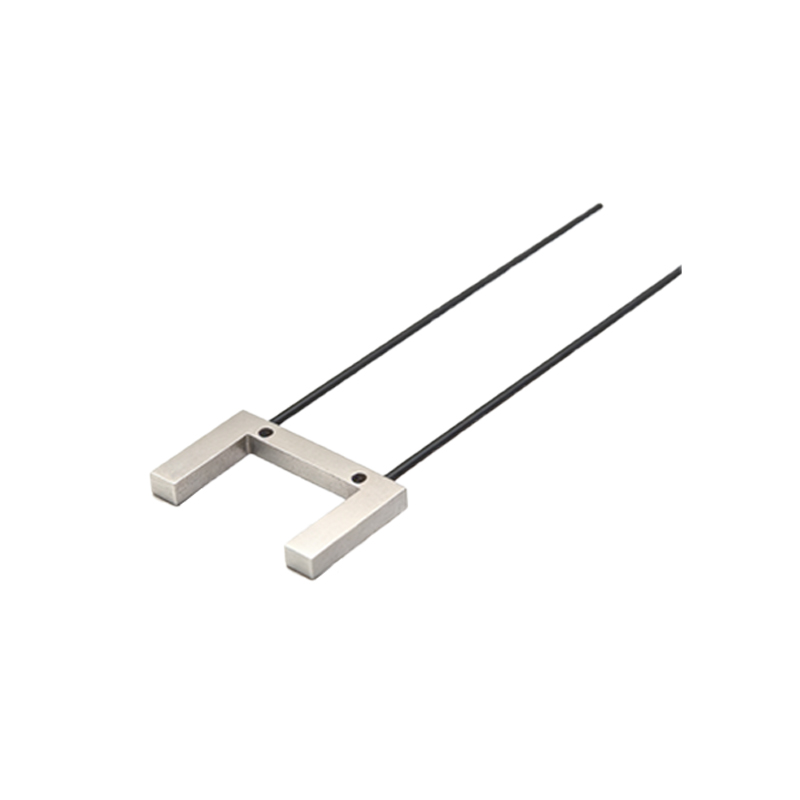
The primary advantage of this configuration is enhanced performance in challenging environments. By separating the sensitive electronic circuitry (the amplifier) from the sensing point, these sensors can operate in extreme temperatures, high-vibration areas, or locations with limited space where only a small sensing head can fit. This separation also simplifies maintenance and troubleshooting; the amplifier can be easily accessed for adjustments like sensitivity tuning, output mode selection, or timer settings without disturbing the sensor head's placement. Furthermore, a single amplifier unit can sometimes be connected to multiple sensor heads, offering a cost-effective solution for multi-point detection systems. The robust output signals generated by the amplifier ensure long-distance transmission without signal degradation, a crucial factor in large-scale industrial setups.
Core Technologies and Sensing Modes
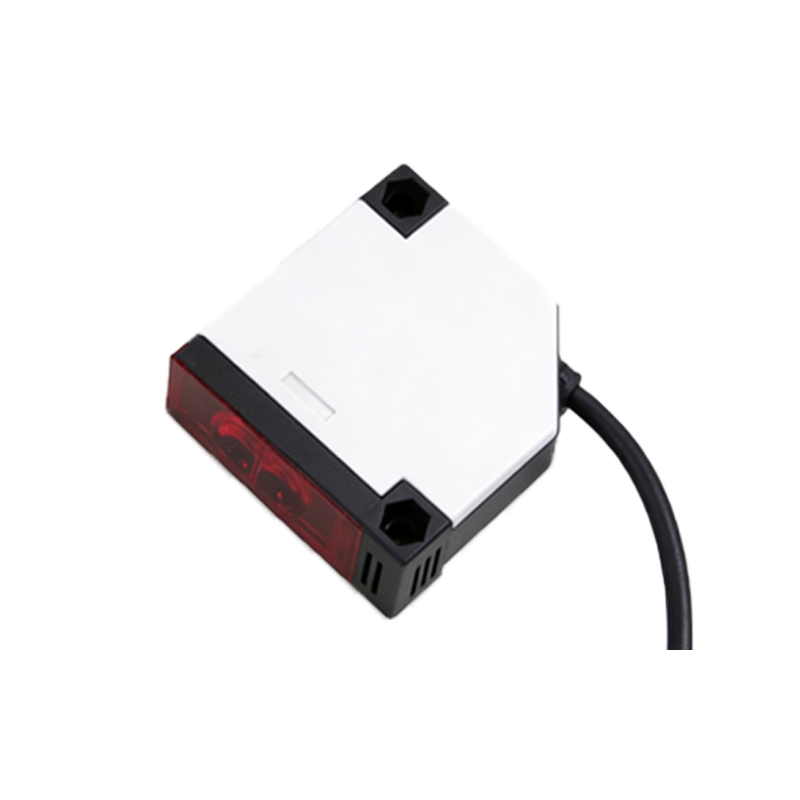
Stand-alone amplifier photoelectric sensors utilize the same fundamental technologies as their integrated counterparts, but with the processing power housed separately. The three main sensing modes are through-beam, retro-reflective, and diffuse reflective. Through-beam models, with separate emitter and receiver units, offer the longest sensing ranges and highest reliability for precise detection. Retro-reflective types use a single housing and a reflector, ideal for detecting objects over moderate distances. Diffuse reflective sensors detect light reflected directly from the target object, perfect for close-range applications and color or contrast detection. The stand-alone amplifier is key in these modes, as it often includes advanced features like background suppression for diffuse sensors, which uses triangulation to ignore distant objects, and precise teach-in functions for setting exact detection thresholds.
Critical Selection Criteria for Engineers
Selecting the right stand-alone amplifier photoelectric sensor requires careful consideration of several technical parameters. First, the sensing range must be appropriate for the application, considering the target object's size, material, and color. The type of light source (LED, laser) influences spot size and precision. Environmental factors are crucial: the sensor head's ingress protection (IP) rating determines its resistance to dust and water, while the amplifier's operating temperature range and electrical noise immunity are vital for control cabinet installations. Output configuration is another key decision; options include NPN/PNP transistors, relay contacts, or analog outputs (4-20mA, 0-10V), which must match the input requirements of the downstream control system. Response time, measured in milliseconds or microseconds, is critical for high-speed production lines.
Application Scenarios Across Industries
The versatility of stand-alone amplifier photoelectric sensors makes them indispensable across diverse sectors. In material handling and packaging, they accurately detect boxes on conveyors, count products, and control filling levels. Automotive manufacturing lines rely on them for precise part positioning, robot guidance, and weld seam tracking. In the food and beverage industry, their hygienic designs and ability to detect transparent bottles or verify label presence are essential. They are also fundamental in woodworking for lumber positioning, in electronics for PCB board insertion verification, and in pharmaceutical applications for vial and cap detection. The separation of amplifier and sensor head is particularly beneficial in harsh environments like steel mills or foundries, where the sensing point faces extreme heat, while the amplifier remains safely housed in a cooler control room.
Installation, Configuration, and Best Practices
Proper installation is critical for optimal performance. The sensor head must be securely mounted to minimize vibration-induced errors, and the optical axis should be correctly aligned, especially for through-beam and retro-reflective types. Care must be taken to avoid optical interference from ambient light, reflective surfaces, or dirty lenses. The connecting cable between the sensor head and the amplifier should be of the recommended type and length to prevent signal loss. Configuration involves setting the amplifier's sensitivity potentiometer or using a teach-in button to establish the detection threshold under actual operating conditions. Engineers should utilize built-in diagnostic LEDs on both the sensor head and amplifier for quick status checks. Regular maintenance, including lens cleaning and periodic functional verification, ensures long-term reliability and prevents unexpected downtime.
Future Trends and Integration with Industry 4.0
The evolution of stand-alone amplifier photoelectric sensors is closely tied to the advancement of Industry 4.0 and smart factory concepts. Modern units are increasingly featuring IO-Link communication capability. This digital interface transforms the sensor from a simple switching device into a smart, data-rich component. Through IO-Link, the amplifier can transmit detailed diagnostic information—such as signal strength, operating hours, temperature warnings, or lens contamination alerts—directly to the control system, enabling predictive maintenance. Furthermore, parameters can be downloaded and stored remotely, simplifying device replacement and reducing machine setup time. The fundamental design of separating the amplifier ensures that these smart features can be upgraded or integrated without redesigning the entire sensing point, future-proofing industrial installations and paving the way for more adaptive, data-driven automation systems.