Introduction to Embedded Proximity Switch Sensors
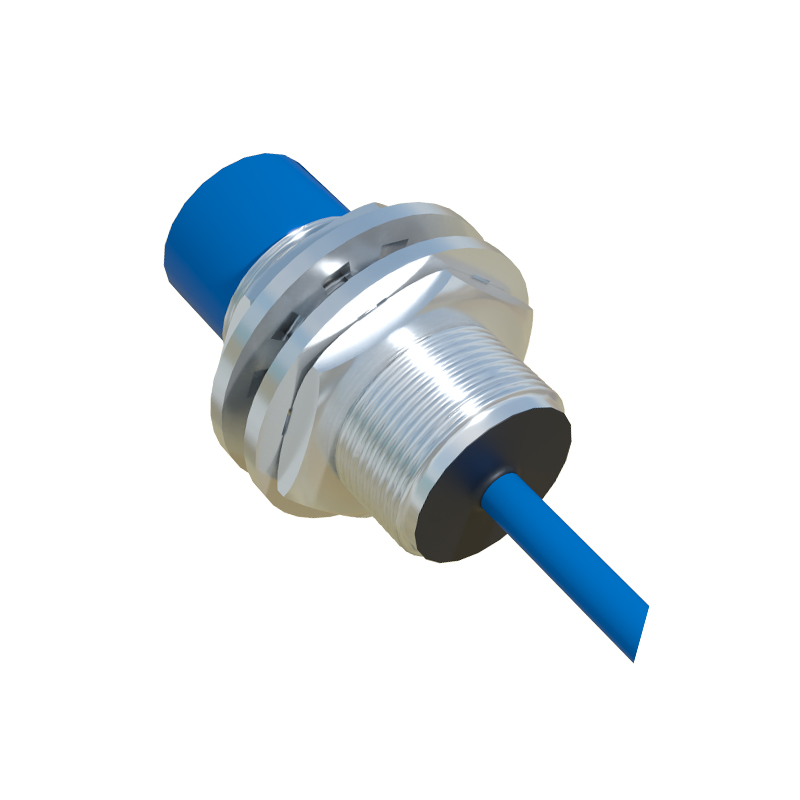
Embedded proximity switch sensors are fundamental components in the realm of industrial automation and smart systems. Unlike their standalone counterparts, these sensors are designed to be integrated directly into machinery, equipment, or electronic assemblies, providing seamless and reliable non-contact detection. They operate on various principles, primarily inductive, capacitive, and magnetic, to sense the presence or absence of metallic or non-metallic objects without any physical contact. This integration capability makes them the invisible workhorses in applications ranging from automotive assembly lines and robotic arms to consumer electronics and safety interlocks. Their embedded nature allows for compact design, enhanced durability, and protection against harsh environmental factors like dust, moisture, and vibration, which are common in industrial settings.
Core Operating Principles and Technologies
The functionality of an embedded proximity sensor hinges on its underlying technology. Inductive sensors are the most prevalent for detecting metallic objects. They generate an electromagnetic field; when a metal target enters this field, it induces eddy currents, causing a change in oscillation amplitude that is detected and converted into a switching signal. Capacitive sensors, on the other hand, can detect both metallic and non-metallic materials (like plastics, liquids, or wood) by measuring changes in capacitance between the sensor and the target. Magnetic sensors, often Hall-effect or reed switch types, react to the presence of a magnetic field. The choice of technology is critical and depends on the target material, required sensing distance, environmental conditions, and the required response speed and accuracy for the specific embedded application.
Key Design Considerations for Integration
Integrating a proximity switch into a system requires meticulous engineering consideration. First, the form factor and mounting style must align with the host device's mechanical constraints, often requiring miniature or flat-pack designs. The sensing range, typically from a few millimeters up to several centimeters, must be precisely specified to ensure reliable operation without false triggers. Electrical compatibility is paramount; designers must match the sensor's output type (e.g., NPN/PNP transistor, analog, or IO-Link) and voltage ratings with the control system's input module. Furthermore, factors like switching frequency, temperature tolerance, and ingress protection (IP) rating are carefully evaluated to ensure the embedded sensor performs reliably over its intended lifespan in the target environment, whether it's inside a washing machine or on a CNC machine tool.
Applications Across Diverse Industries
The versatility of embedded proximity sensors fuels their adoption across a staggering array of industries. In automotive manufacturing, they are embedded in robotic welders for precise part positioning and in conveyor systems for counting and sorting components. Within consumer electronics, they enable features like automatic screen dimming in laptops or tablets when a user is near. In home appliances, they provide touchless control for faucets or detect door positions in washing machines. Industrial machinery relies on them for end-of-travel detection, rotational speed monitoring, and as safety devices to prevent machine operation when guards are open. The trend towards Industry 4.0 and the Internet of Things (IoT) further amplifies their role, as these sensors provide critical data for predictive maintenance and process optimization.
Advantages and Challenges in Implementation
The primary advantages of using embedded proximity sensors are their reliability, longevity, and maintenance-free operation due to the absence of moving parts and physical contact. They offer high-speed response, which is essential for modern high-throughput automation. Their sealed construction ensures resistance to contamination. However, challenges exist. Electromagnetic interference (EMI) from nearby motors or drives can affect inductive sensors. Sensing characteristics can vary with different target materials and temperatures, requiring careful calibration. For capacitive sensors, changes in ambient humidity or the presence of non-target materials can lead to instability. Therefore, proper selection, testing, and sometimes shielding are necessary during the design-in phase to mitigate these issues and ensure robust performance.
Future Trends and Smart Sensor Evolution
The future of embedded proximity sensing is intelligent and connected. The next generation of sensors is evolving beyond simple binary switches. Smart sensors with integrated microprocessors and standardized digital communication interfaces like IO-Link are becoming standard. These devices can transmit not just a switch state but also diagnostic data, parameter settings, and process values (e.g., exact distance measurements). This facilitates condition monitoring, remote configuration, and easier integration into larger Industrial IoT ecosystems. Furthermore, advancements in materials and miniaturization are pushing the limits of size and performance, enabling their use in increasingly compact and sophisticated products, from medical devices to wearable technology, solidifying their role as indispensable guardians of automated and intelligent systems.