Introduction to Photoelectric Sensor Color Coding
In industrial automation, the color coding of photoelectric sensor wires—specifically brown, black, and white—is a standardized convention critical for proper installation and operation. The brown wire typically connects to the positive voltage supply, the black wire is the output signal line, and the white wire serves as the ground or negative connection. This universal scheme ensures consistency across various manufacturers and models, reducing wiring errors and enhancing system reliability. Understanding this coding is the first step in selecting and deploying the right sensor for any application, from packaging and material handling to automotive assembly lines.
Key Specifications and Operating Principles
Photoelectric sensors utilizing the brown-black-white wiring configuration operate primarily on the principle of light beam modulation to detect objects. Common types include through-beam, retro-reflective, and diffuse reflective models. Key specifications to consider are sensing distance, which can range from a few centimeters to several meters; response time, often in milliseconds for high-speed applications; and light source type, typically infrared, red, or laser. The operating voltage for these sensors usually falls within 10-30V DC, with the brown wire handling the supply input. The black wire provides a switching output—either NPN (sinking) or PNP (sourcing)—to interface with controllers like PLCs.
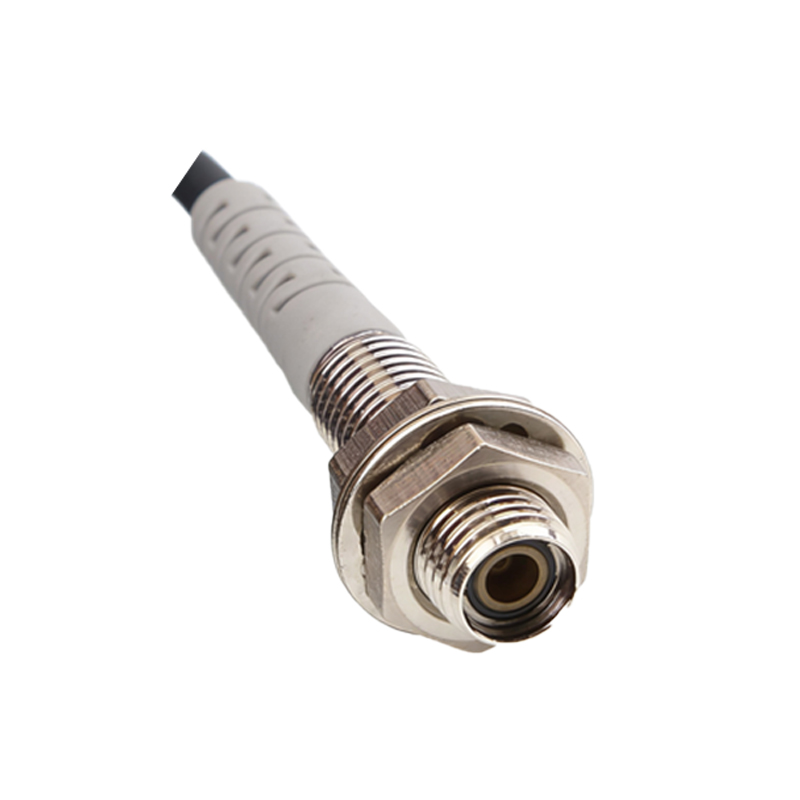
Popular Model Series and Their Features
Several prominent model series adhere to the brown-black-white standard. For instance, the Omron E3Z series offers compact, rugged designs with sensing distances up to 4 meters and features like background suppression for precise detection. The Sick W4 series provides high-performance sensors with advanced diagnostics and IO-Link communication capabilities. Banner Engineering's QS18 series is known for its versatility and robust housing, suitable for harsh environments. These models often include LED indicators for status monitoring and built-in timers or counters, enhancing functionality in complex automation tasks.
Application Scenarios in Modern Industry
These sensors are indispensable in diverse industrial settings. In conveyor systems, they detect product presence, count items, or control sorting mechanisms. In automotive manufacturing, they ensure precise positioning of components during assembly. Packaging lines rely on them for label detection, fill level control, and tamper evidence verification. Their robustness allows operation in challenging conditions, such as exposure to dust, moisture, or temperature variations, making them ideal for food processing, pharmaceuticals, and logistics. Proper selection based on range, environmental rating (e.g., IP67), and output type is crucial for optimal performance.
Installation Guidelines and Wiring Practices
Correct installation is vital for sensor longevity and accuracy. Always follow the manufacturer's datasheet for wiring: connect the brown wire to the positive DC supply, the white wire to the negative or ground, and the black wire to the load (e.g., PLC input). Ensure power polarity is observed to prevent damage. Mount the sensor securely, aligning the emitter and receiver for through-beam types, and adjust sensitivity as needed. Avoid placing sensors near strong ambient light or reflective surfaces that could cause false triggers. Regular maintenance, including lens cleaning and connection checks, helps sustain reliable operation over time.
Troubleshooting Common Issues
When a sensor malfunctions, systematic troubleshooting can identify the cause. If the sensor fails to detect objects, verify the power supply to the brown and white wires and check for obstructions in the sensing path. Erratic output on the black wire may stem from electrical noise, requiring shielded cables or proper grounding. False triggers often result from environmental interference; adjusting the sensitivity or using a different sensing mode can mitigate this. Consult the sensor's manual for error code interpretations, and use a multimeter to test voltage levels at each wire connection to isolate faults.
Future Trends and Technological Advancements
The evolution of brown-black-white photoelectric sensors is driven by Industry 4.0 demands. Emerging trends include miniaturization for space-constrained applications, enhanced connectivity via IO-Link for real-time data exchange, and smarter sensors with integrated diagnostics that predict maintenance needs. Advances in laser technology enable higher precision for micro-part detection, while improved materials boost resistance to extreme temperatures and chemicals. As automation becomes more interconnected, these sensors will play a pivotal role in enabling adaptive, efficient manufacturing processes.